Phone
Consular Issues
Phone
Embassy messages
UZBEKISTAN'S INTERNATIONAL CLIMATE DIPLOMACY AND THE OUTLOOK FOR ITS “GREEN” ECONOMY
Tackling climate change is no longer only an environmental necessity.It has become an important factor that determines the economic competitiveness of states, their energy security and their potential for international cooperation. In this context, the 31st Conference of the Parties to the United Nations Framework Convention on Climate Change (COP31) could open up new opportunities for Uzbekistan to strengthen its international climate diplomacy, attract green investment and accelerate sustainable economic development.
Climate diplomacy: from the global agenda to national interests
Over the past few years climate change has moved to the top of the international relations agenda. Rising global temperatures, shrinking water resources, droughts and more frequent extreme weather events call for more than domestic measures. States also need a coordinated international policy.
For Central Asia the consequences of climate change are particularly serious. Among the region's most pressing tasks are the careful use of water, preventing desertification, adapting agriculture to new climatic conditions and modernizing energy systems.
Uzbekistan takes an active part in these processes and seeks to link the climate agenda with its foreign policy, economic reforms and regional cooperation.
COP31 could become an important diplomatic platform for promoting this approach internationally. Issues of climate finance, the reduction of greenhouse gas emissions, adaptation to climate change and the development of environmental technologies are of particular importance from the standpoint of Uzbekistan’s national interests.
Uzbekistan's place in international climate policy
As a party to the Paris Agreement, Uzbekistan pursues a policy aimed at meeting its international commitments on climate action.
The country is carrying out reforms to expand renewable energy, improve energy efficiency, use natural resources more rationally and make economic sectors environmentally sustainable.
Climate diplomacy has a special role in this process. Modern climate policy goes beyond taking part in international agreements. It also involves bringing in advanced technologies, expanding cooperation with international financial institutions, defending national interests and advancing regional initiatives.
Uzbekistan's initiatives to improve the environmental situation in the Aral Sea region are a good example. Mitigating the environmental and social consequences of the Aral Sea tragedy, improving the living conditions of the population and creating opportunities for the sustainable development of the region remain priority areas of international cooperation.
COP31 offers a chance to present this experience to the international community and to attract additional financial and technological resources for projects in the Aral Sea region.
The green economy: a new model of sustainable growth
The shift to a green economy is becoming increasingly important for Uzbekistan's long-term economic development.
The traditional growth model often relies on heavy consumption of energy and natural resources. A green economy, by contrast, seeks to sustain economic development through efficient use of resources, lower environmental impact and the adoption of innovative technologies.
The solar and wind energy projects under way in Uzbekistan are a practical expression of this transformation.
The country's solar potential, the prospects for wind power in certain regions and growing electricity demand together create favourable conditions for investment in renewable energy.
The green economy is not limited to the energy sector, though. Energy-saving technologies at industrial enterprises, wider use of water-saving irrigation, cleaner transport, waste recycling and the modernization of urban infrastructure are also an integral part of the process.
Just as significant, the move to a green economy creates new jobs, accelerates technological modernization and makes domestic products more competitive on foreign markets.
Climate finance and international investment: what opportunities does COP31 open up?
Building a green economy requires substantial investment. For this reason climate finance may turn out to be one of the most important items on Uzbekistan's COP31 agenda.
Cooperation with international financial institutions, development banks and private investors creates additional opportunities to carry out environmental projects in the country.
Of particular importance is broadening the range of funding sources through green bonds, concessional loans, grants, public-private partnership mechanisms and international climate funds.
Attracting investment is not enough on its own, however. Projects also have to be economically viable, their environmental results must be measurable, and they need to be transparent and in line with international standards.
Seen this way, COP31 could serve Uzbekistan as a venue for presenting concrete investment proposals to international partners, negotiating promising projects and building new partnerships.
Projects in water-saving technologies, renewable energy, climate-resilient agriculture and environmental infrastructure are especially relevant.
Strengthening regional climate cooperation in Central Asia
Climate change knows no national borders. Joint action against environmental threats is therefore of strategic importance for the countries of Central Asia.
The region's water resources, transboundary rivers, energy systems and agriculture are closely interconnected. An environmental problem that arises in one country can affect the economic and social life of its neighbours.
Uzbekistan is in a position to strengthen regional dialogue, develop mutually beneficial cooperation on water and energy, and promote joint initiatives on climate adaptation.
Participation in COP31 could bring several important results: putting the shared environmental interests of Central Asian states on the international agenda, expanding data exchange for assessing climate risks and attracting financial resources for regional projects.
Uzbekistan's active involvement in these processes will further strengthen its standing in regional climate diplomacy.
Adapting to climate change: people's well-being comes first
The effectiveness of climate policy is not measured solely by reductions in greenhouse gas emissions. One of its key criteria is how much more resilient people's lives and the economy become in the face of climate risks.
In Uzbekistan's case this means, above all, adapting to water scarcity, maintaining crop yields, reducing the health impact of heatwaves and being better prepared for natural disasters.
An effective adaptation policy depends on scientific research, modern monitoring systems and well-trained specialists.
It is equally necessary to give local communities, young people, women, entrepreneurs and civil society institutions a greater say in environmental decision-making.
After all, the main purpose of the green transition is not only to improve environmental indicators but also to create a safe, healthy and sustainable living environment for people.
Tasks after COP31: from initiatives to practical results
The value of international climate conferences lies not only in the statements adopted there but also in how the agreements reached are put into practice.
It is therefore important for Uzbekistan to orient its participation in COP31 towards tangible economic and institutional results.
The priorities remain building a portfolio of investment-ready green projects, developing the capacity to use international financing mechanisms, ensuring reliable environmental data and strengthening cooperation between the public and private sectors.
Also important are training national experts in climate diplomacy, using evidence-based approaches in international negotiations and adapting the best foreign practices to national conditions.
COP31 thus gives Uzbekistan an opportunity to take its participation in international climate diplomacy to a new level and to accelerate the transition to a green economy.
The country's natural resource potential, its ongoing economic reforms and its openness to international cooperation provide a solid foundation for this.
The main task now is to align global climate initiatives with the specific needs of the national economy, turn international agreements into practical projects and connect environmental sustainability with people's well-being.
Ultimately, green development is not only a responsibility to future generations but also a matter of making rational use of today’s economic opportunities, enhancing the country’s competitiveness and laying the foundation for a sustainable future.
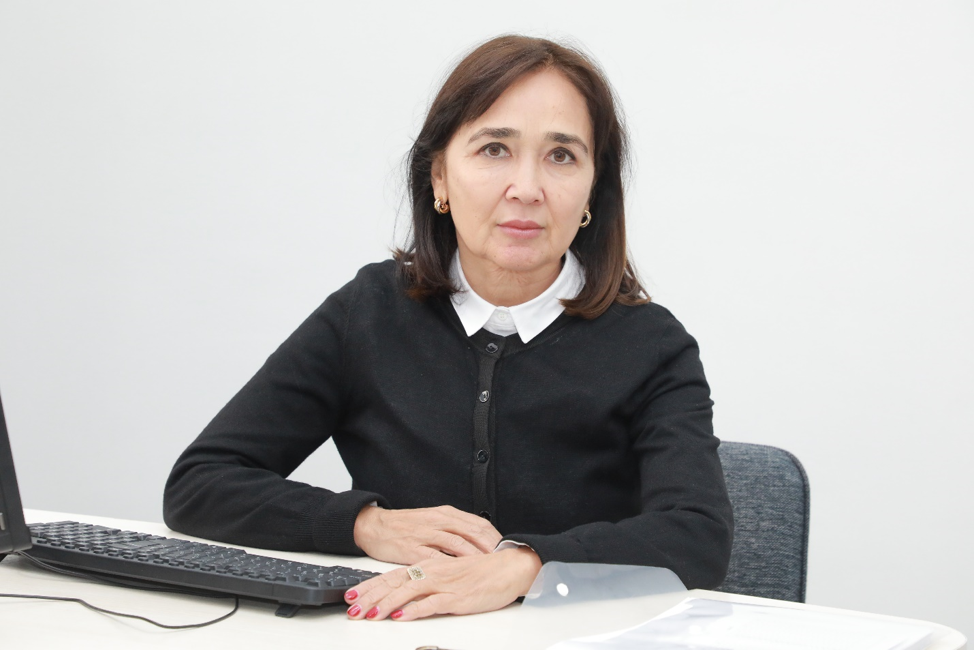
Associate Professor of the Department
of International Economics at UWED
Suriya Turaeva
📅 11.11.2026
Embassy messages
How is global climate change reshaping Uzbekistan’s riverside ecosystems?
The Ministry of Foreign Affairs of the Republic of Uzbekistan has launched the “Consular Services” mobile application
Consular Services Reception Procedure at the Embassy of Uzbekistan in Latvia
Узбекистан и страны Балтии объединяют усилия в борьбе с коррупцией
Uzbek specialists study Latvia’s best practices in veterinary and livestock sectors
Uzbekistan and Finland discussed prospects for cooperation in the field of entrepreneurship support
A holiday of unity: Navruz celebration connects nations in Riga
Trade union delegation of Uzbekistan discusses in Latvia issues of protecting the rights of compatriots – labor migrants
Ambassador of Uzbekistan presented his credentials to the President of Lithuania
Uzbekistan and Finland are preparing for the next meeting of the intergovernmental commission and a business forum within its framework
Discussions on potential areas of cooperation with the Association of European Chambers of Commerce and Industry were held in Riga
Uzbekistan and Latvia agreed to prepare a bilateral agreement on cooperation in the field of labor migration
Uzbekistan and Latvia ready for permanent dialogue in the field of labor migration
Торговый дом Узбекистана в Латвии провел онлайн-тренинг для хокимов и экспортеров Сырдарьинской области
Uzbek delegation studied Finland's experience in preventing violence against children
A festive evening for compatriots was organized in Estonia
Latvia widely celebrated the anniversary of the adoption of the Basic Law of Uzbekistan
Возможности медицинского туризма в Узбекистане презентованы в Риге
New contracts worth over $4 million signed as part of Uzbek exporters' business mission to Latvia
A roundtable discussion on the topic "Mirzo Ulugbek: a great encyclopedist and a famous statesman" was held in Riga
СМИ Латвии: Явка на выборах в Узбекистане составила 74,72%
Досрочное голосование по выборам в Законодательную палату Олий Мажлиса Узбекистана проходит в Латвии
В Латвии и Литве обсуждаются ключевые аспекты предстоящих парламентских выборов в Узбекистане
Issues related to the development of cooperation between Uzbekistan and Latvia in the field of combating crime discussed in Riga
A round table was held in Latvia on the upcoming elections in Uzbekistan to the Legislative Chamber of the Oliy Majlis and Kengashes of People's Deputies
Uzbek exporters familiarized with requirements for import of Uzbek products to Latvian and European markets
Export of agricultural products from Uzbekistan to the Latvian market increases
ЭЪЛОН!
Uzbek ambassador meets Latvian Saeima speaker to discuss prospects for boosting inter-parliamentary cooperation
Diplomats of Uzbekistan held a visiting reception of fellow citizens living in Estonia and Finland

-
 Ministry of Foreign Affairs of the Republic of Uzbekistan
-
 Diplomatic Service of the Ministry of Foreign Affairs
-
 State Committee for Tourism Development
-
Ministry of Investments and Foreign Trade of the Republic of Uzbekistan
-
 invest.gov.uz
-

-

-

-

-

-

-


of Uzbekistan in the Republic
of Latvia
When using the information, a link to www.uzembassy.lv
must be provided.
All rights reserved
Address
Address: Riga c., LV-1010. 11-11 Elizabetes Str., Latvia
Phone: 37167322424
Fax: 37167322306
Email: embassy@uzbekistan.lv
Useful links
HomeIssuance of biometric passport for departure abroad
Certificate to return to Uzbekistan
Withdrawal of citizenship
Loss of citizenship