Phone
Consular Issues
Phone
Uzbekistan news
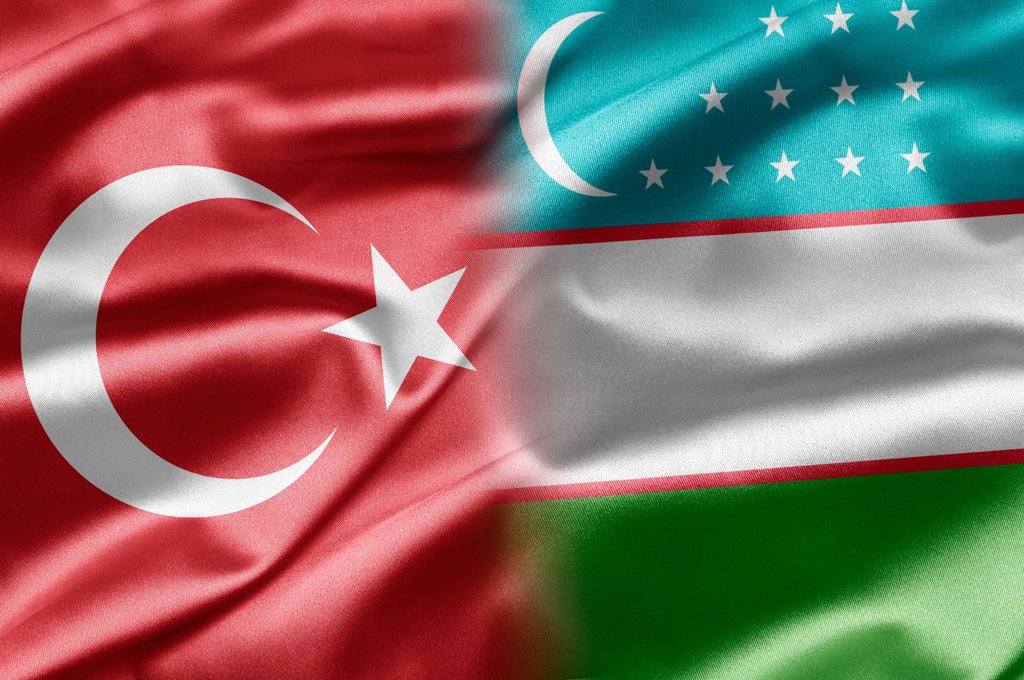
Uzbekistan – Turkey: The Practical Phase of Cooperation in the Forestry Sector
Today, one of the priority areas of state policy in Uzbekistan is focused on expanding forested areas, increasing green coverage, mitigating the negative impacts of climate change, and ensuring environmental sustainability. In order to achieve effective results in these areas, studying advanced foreign experience and adapting it to the country’s climatic conditions is of particular importance. In this context, the participation of a delegation of representatives of the Forestry Agency under the National Committee on Ecology and Climate Change of Uzbekistan in a training and practical seminar organized during their visit to the Republic of Turkey in October 2025 was of significant importance.
The seminar, organized in cooperation between the Forestry Agency and the Ministry of Agriculture and Forestry of the Republic of Turkey, enabled participants to familiarize themselves with Turkey’s experience in forest establishment, restoration, ecological classification, and sustainable forest management. In particular, on the first day of the seminar, Turkish specialist Ahmed Yalvach delivered a detailed presentation on modern approaches applied in the development of forestry.
Within the framework of the practical visit, Turkey’s advanced experience in establishing and managing nurseries, creating forests using the “terrace” method in mountainous areas, developing “green belts” around cities, and establishing green public parks in urban and district areas was studied.
In addition, members of the delegation closely examined the activities of nurseries operated by the Seydikemer and Gökova Forestry Departments located in Muğla Province. Notably, the Seydikemer nursery, established in 1983, covers an area of 144 hectares and has an annual production capacity of 1.5 million seedlings. The Gökova nursery, occupying more than 61 hectares, stands out with its capacity to produce up to 7 million seedlings per year.
It was emphasized that special attention to seed collection, storage, and laboratory analysis in these nurseries allows the production rate of high-quality seedlings and saplings to reach 90–95 percent. Participants studied the practical experience of Turkish specialists in establishing mother plantations, caring for seedlings and saplings, and grafting techniques.
The delegation members were also introduced to the use of greenhouses, in vitro laboratories, modern equipment, and mechanisms for managing seasonal work processes. The experience-sharing activities were conducted in an atmosphere of open dialogue and professional cooperation.
In conclusion, cooperation between Uzbekistan and Turkey in the forestry sector has acquired a practical dimension, contributing to the adoption of advanced practices, enhancement of specialists’ capacity, and the formation of a sustainable ecological environment in Uzbekistan. The knowledge and skills gained within the framework of this cooperation will play an important role in further improving the national forestry system.
📅 29.01.2026
Uzbekistan news
Inaugural Central Asia – Republic of Korea Summit at the highest level opens in Seoul
Uzbekistan and Korea: Advancing Green Energy and New Technologies
Uzbekistan and the Republic of Korea in the Emerging Framework for Cooperation with Central Asia
Tashkent brings together leaders and key deals in Polymer Market of Central Asia
The 1st Republic of Korea–Central Asia Summit: Why This Moment Matters
Uzbekistan – Serbia: A New Geography of Industrial Cooperation
The President of Uzbekistan’s Visit to Serbia: A New Stage in Economic Partnership Between Central Asia and the Balkans
Uzbekistan and the Republic of Korea: From Investment Partnership to Technological Cooperation
Regional Approaches to SDG Delivery: What Can Central Asia Offer?
Uzbekistan Opens a Balkan Gateway to Europe
The SCO Bishkek Summit: The Economic Agenda of a New Stage of Cooperation
Tourism: A new dimension of Uzbekistan-Kyrgyzstan partnership
Uzbekistan’s Role in the SCO: Economy, Security and Regional Cooperation
Economic Cooperation of Uzbekistan within the SCO at a New Stage of Development
Uzbekistan and Serbia: From Labour Mobility to a Strategic Partnership in Human Capital
Prospects for Uzbekistan–Serbia Cooperation in the ICT Sector
Prospects for Cooperation between the Republic of Uzbekistan and the Republic of Korea within the Framework of the Central Asia–Republic of Korea Cooperation Forum
THE SCO’S NEW FINANCIAL ARCHITECTURE: FROM COORDINATION TO PRACTICAL DEVELOPMENT MECHANISMS
INFORMATION NOTE ON COOPERATION WITH SERBIA
On September 8–10th, Tashkent to gather International Textile Industry Professionals
The Seoul Summit: Uzbekistan in the New Industrial Architecture of C5+1
New Opportunities to Expand Cooperation Between Uzbekistan and Serbia
Uzbekistan and Azerbaijan: Turning Political Alignment into Economic Growth
BRIGHT PROSPECTS FOR MUTUALLY BENEFICIAL PARTNERSHIP
Transport and Logistics Connectivity of the SCO Amid Geopolitical Turbulence: New Opportunities for the Regions
Business in Uzbekistan are moving from digitalization to technological modernization
Uzbekistan and Serbia expand prospects for cooperation in ecology and environmental protection
SCO AND WATER DIPLOMACY: IN PURSUIT OF COMMON INTERESTS
TASHKENT-DELHI: A NEW STAGE OF STRATEGIC PARTNERSHIP
On September 4–6th, Samarkand will host XII Inter-Parliamentary Union Global Conference of Young Parliamentarians

-
 Ministry of Foreign Affairs of the Republic of Uzbekistan
 -
 Diplomatic Service of the Ministry of Foreign Affairs
 -
 State Committee for Tourism Development
 -
Ministry of Investments and Foreign Trade of the Republic of Uzbekistan
-
 invest.gov.uz
 -
-

-

-

-

-

-

of Uzbekistan in the Republic
of Latvia
When using the information, a link to www.uzembassy.lv
must be provided.
All rights reserved
Address
Address: Riga c., LV-1010. 11-11 Elizabetes Str., Latvia
Phone: 37167322424
Fax: 37167322306
Email: embassy@uzbekistan.lv
Useful links
HomeIssuance of biometric passport for departure abroad
Certificate to return to Uzbekistan
Withdrawal of citizenship
Loss of citizenship