Phone
Consular Issues
Phone
Uzbekistan news
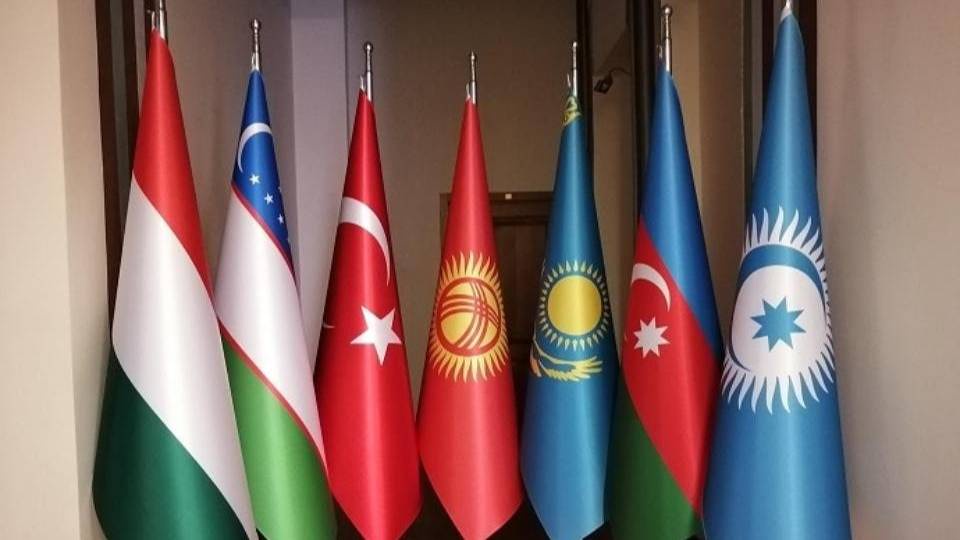
Uzbekistan and the OTS: New Horizons for Investment Cooperation and Priority Projects
Uzbekistan has historically been a proactive driver in strengthening ties among Turkic-speaking nations. Following a period of limited engagement, a pivotal turning point occurred in 2018 when the President of the Republic attended the 6th Summit of the Organization as a Guest of Honor. In 2019, the country ratified the Nakhchivan Agreement, officially becoming a full member of the Organization of Turkic States (OTS). Since joining, Uzbekistan has proposed 116 specific initiatives, more than half of which have already been successfully implemented. The economic impact of this strategic course is evidenced by the data: at the end of 2025, trade turnover with OTS member states increased by 9.6%, reaching $10.8 billion.
Investment cooperation also shows a steady upward trend, with 4,352 enterprises operating with capital from member states as of early 2026. The Republic of Türkiye remains a key strategic partner, with bilateral relations officially elevated to the level of a Strategic Partnership in 2017. Türkiye leads all OTS countries in the number of enterprises established in Uzbekistan, reaching 2,137 units. Investment collaboration in 2025 was characterized by the utilization of funds totaling $3.2 billion, while trade turnover during the same period amounted to $3.024 billion. Transport connectivity is exceptionally robust, with 97 scheduled weekly flights operating between the cities of both nations across eight different routes, including Istanbul and Ankara.
Kazakhstan stands as Uzbekistan's largest trading partner within the Organization, with trade turnover growing by 11.4% in 2025 to nearly $5 billion. There are 1,212 enterprises with Kazakh capital successfully operating in the republic. The transport sector demonstrates immense scale, with freight volume exceeding 22.3 million tons in 2025, the majority of which—19.6 million tons—was transported via rail networks.
The dynamics of economic relations with Kyrgyzstan are marked by the highest growth rates in trade turnover, which surged by 37.1% in 2025 to reach $1.199 billion. The parties have solidified a Comprehensive Strategic Partnership, facilitating an increase in joint ventures to 346 units. The transport sector recorded a significant rise, with total freight volume growing by 22.4% in 2025 to nearly 5.4 million tons. Export shipments across all modes of transport more than doubled, indicating deep integration of production chains.
In 2024, a fundamental Treaty on Allied Relations was signed with Azerbaijan, opening a new chapter in bilateral cooperation. Trade turnover between the countries grew by 14.6% in 2025, totaling $307.3 million. In the investment sphere, 367 enterprises with Azerbaijani capital are currently active. The logistics partnership is also strengthening, as total freight volume increased by 28.3% in 2025, supported by 14 weekly flights between the capitals.
Turkmenistan, which participates in the Organization as an observer, remains a vital partner, with trade turnover reaching $1.203 billion in 2025. The launch of the Shavat-Dashoguz joint border trade zone was a practical step toward streamlining commodity exchange. As of early 2026, 270 enterprises with Turkmen capital were functioning in Uzbekistan. In the transport sector, total cargo volume for 2025 amounted to approximately 1.785 million tons, reflecting a positive growth trend of 22.5%.
Hungary also holds observer status and is actively developing high-tech cooperation with Uzbekistan. In 2025, mutual trade grew by 41.7%, reaching $117.4 million. Although there are 20 enterprises with Hungarian capital in the republic, their projects are notable for their significant scale. These include the establishment of poultry clusters in the Syrdarya region valued at $165 million and a $59 million project for the construction of water treatment facilities in "New Tashkent."
The successful implementation of initiatives and steady growth in economic indicators confirm that Uzbekistan has found the OTS to be an effective instrument for advancing its national interests. Further deepening industrial cooperation and developing the region's transit potential create a solid foundation for transforming this space into a significant global manufacturing and trade hub. The strategic course toward closer integration with the Turkic world opens new prospects for attracting innovation and large-scale investment into key sectors of the national economy. Continuing this policy will not only strengthen the republic's international standing but also ensure long-term socio-economic prosperity for all member states of the Organization.📅 12.05.2026
Uzbekistan news
UZBEKISTAN AND THE UN: FROM NATIONAL INITIATIVES TO THE GLOBAL AGENDA
The 5th Samarkand Forum on Human Rights to take place on September 28–29th
Uzbekistan's key trading partners participate in CICA
Speech by President Shavkat Mirziyoyev at the solemn ceremony dedicated to the thirty-fifth anniversary of the independence of the Republic of Uzbekistan
Uzbekistan Firmly Establishes Itself as a Stable and Predictable Partner for Long-Term International Business
Changing economic priorities of Uzbekistan reshape its engagement with the CIS
Inaugural Central Asia – Republic of Korea Summit at the highest level opens in Seoul
Uzbekistan and Korea: Advancing Green Energy and New Technologies
Uzbekistan and the Republic of Korea in the Emerging Framework for Cooperation with Central Asia
Tashkent brings together leaders and key deals in Polymer Market of Central Asia
The 1st Republic of Korea–Central Asia Summit: Why This Moment Matters
Uzbekistan – Serbia: A New Geography of Industrial Cooperation
The President of Uzbekistan’s Visit to Serbia: A New Stage in Economic Partnership Between Central Asia and the Balkans
Uzbekistan and the Republic of Korea: From Investment Partnership to Technological Cooperation
Regional Approaches to SDG Delivery: What Can Central Asia Offer?
Uzbekistan Opens a Balkan Gateway to Europe
The SCO Bishkek Summit: The Economic Agenda of a New Stage of Cooperation
Tourism: A new dimension of Uzbekistan-Kyrgyzstan partnership
Uzbekistan’s Role in the SCO: Economy, Security and Regional Cooperation
Economic Cooperation of Uzbekistan within the SCO at a New Stage of Development
Uzbekistan and Serbia: From Labour Mobility to a Strategic Partnership in Human Capital
Prospects for Uzbekistan–Serbia Cooperation in the ICT Sector
Prospects for Cooperation between the Republic of Uzbekistan and the Republic of Korea within the Framework of the Central Asia–Republic of Korea Cooperation Forum
THE SCO’S NEW FINANCIAL ARCHITECTURE: FROM COORDINATION TO PRACTICAL DEVELOPMENT MECHANISMS
INFORMATION NOTE ON COOPERATION WITH SERBIA
On September 8–10th, Tashkent to gather International Textile Industry Professionals
The Seoul Summit: Uzbekistan in the New Industrial Architecture of C5+1
New Opportunities to Expand Cooperation Between Uzbekistan and Serbia
Uzbekistan and Azerbaijan: Turning Political Alignment into Economic Growth
BRIGHT PROSPECTS FOR MUTUALLY BENEFICIAL PARTNERSHIP

-
 Ministry of Foreign Affairs of the Republic of Uzbekistan
 -
 Diplomatic Service of the Ministry of Foreign Affairs
 -
 State Committee for Tourism Development
 -
Ministry of Investments and Foreign Trade of the Republic of Uzbekistan
-
 invest.gov.uz
 -
-

-

-
-
-

-

of Uzbekistan in the Republic
of Latvia
When using the information, a link to www.uzembassy.lv
must be provided.
All rights reserved
Address
Address: Riga c., LV-1010. 11-11 Elizabetes Str., Latvia
Phone: 37167322424
Fax: 37167322306
Email: embassy@uzbekistan.lv
Useful links
HomeIssuance of biometric passport for departure abroad
Certificate to return to Uzbekistan
Withdrawal of citizenship
Loss of citizenship