Phone
Consular Issues
Phone
Uzbekistan news
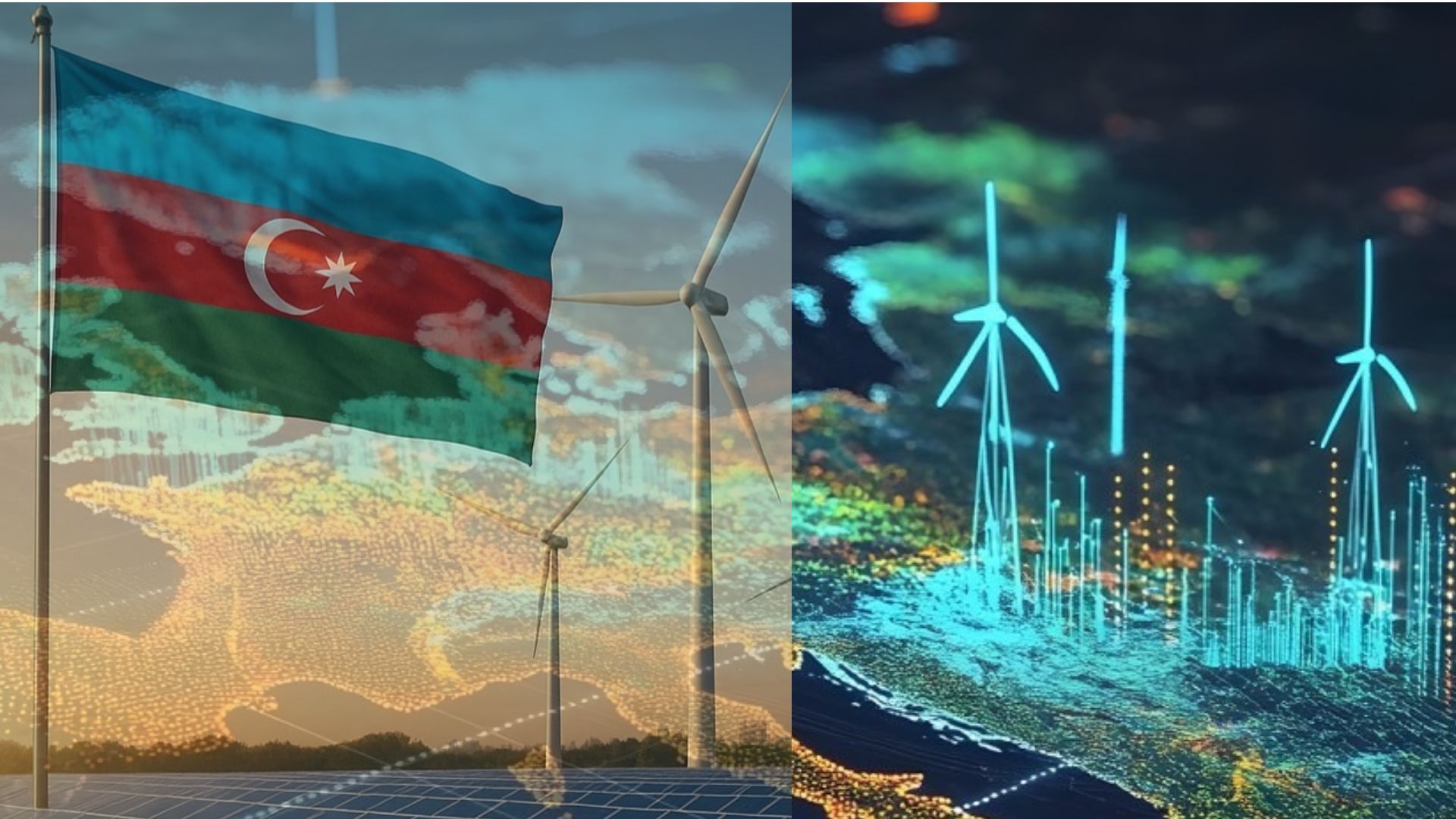
Central Asia and Azerbaijan: Strategic Partners Building a Green Energy Hub Together
In recent years, cooperation between Central Asia and Azerbaijan in the energy sector has entered an entirely new phase. This progress is primarily the result of the wise policies pursued by the countries’ leaders, based on mutual trust, friendship, and good-neighborly relations. Thanks to this strong political will, major energy initiatives that were once viewed only as future prospects have now moved into the implementation stage, becoming important projects serving Central Asia’s sustainable development and contributing to the global green transformation.
Today, Central Asia is no longer a field of competition in the energy sector; rather, it is increasingly becoming a space for cooperation based on mutual trust, shared interests, and the principles of sustainable development. This process is gaining practical significance thanks to the forward-looking policies, open dialogue, and constructive approach of the countries’ leaders.
Energy security, the rational use of water and energy resources, coordination of electricity systems, and the rapid development of renewable energy sources have become key priorities of regional cooperation. The emerging regional architecture is creating new opportunities not only for meeting domestic demand but also for participation in international energy markets.
The countries of Central Asia have established mechanisms for continuous dialogue in the fields of energy and water management. Regular working meetings among the ministries of energy and water resources of Uzbekistan, Kazakhstan, Kyrgyzstan, and Tajikistan play an important role in ensuring the stable operation of electricity systems, the efficient use of water resources, the coordination of seasonal loads, and the uninterrupted supply of energy to households and industry.
Within this framework, the strategic partnership between Uzbekistan and Kazakhstan occupies a special place. The national energy systems of the two countries are closely interconnected, and practical cooperation in coordinating electricity flows, maintaining capacity balances, and ensuring the reliable operation of the unified energy system continues to develop steadily. Regular dialogue at the level of heads of state has further strengthened this cooperation and transformed it into an important integration factor for the entire region.
The countries’ goals in the field of renewable energy are also closely aligned. In recent years, Uzbekistan has accelerated the development of green energy, implementing large-scale programs to build solar and wind power plants, energy storage systems, and modern electricity networks. Kazakhstan is likewise consistently advancing reforms aimed at developing a green economy and reducing carbon emissions. Kyrgyzstan and Tajikistan, with their substantial hydropower potential, make a significant contribution to regional energy security. Meanwhile, Turkmenistan is implementing important initiatives to modernize its energy infrastructure and expand electricity exports.
Today, the common objective of the Central Asian countries extends beyond the development of their national energy systems. The primary task is to establish a single regional energy space that is interconnected, competitive, environmentally sustainable, and open to external markets. In this context, Azerbaijan’s participation broadens the geographic scope of cooperation and creates a strategic corridor linking Central Asia with Europe.
The Green Corridor: A Strategic Bridge Linking
Central Asia and Europe
The high level of political trust achieved among the Central Asian countries is now being translated into practice through major transnational energy projects. Among the most significant is the Green Corridor initiative, being implemented by Uzbekistan, Kazakhstan, and Azerbaijan.
This project will elevate regional energy cooperation to an entirely new level by connecting Central Asia to the European energy system through the Caspian Sea. It will create opportunities to export environmentally friendly electricity generated in the region to international markets.
The strategic partnership agreement signed in Baku during COP29 in November 2024 provided a solid legal foundation for this initiative. Subsequently, cooperation among national electricity grid operators was established, and the Green Corridor Alliance LLC was created. Currently, the Italian company CESI is conducting the project’s feasibility study.
The Green Corridor is not merely an export route; it is a strategic platform for creating an integrated electricity market in Central Asia. The project will strengthen interconnections among national power systems, facilitate more efficient use of renewable energy resources, and create new opportunities for attracting investment.
This initiative is a practical expression of the strategic partnership between Uzbekistan, Kazakhstan, and Azerbaijan and will help transform Central Asia into an important link in the global green energy value chain.
Kambarata HPP-1: A Project for Regional Energy Security
Another important example of energy integration in Central Asia is the construction of Kambarata HPP-1.
Thanks to the political support of the Presidents of Uzbekistan, Kazakhstan, and Kyrgyzstan, as well as the coordinated efforts of the governments of the three countries, this project has finally moved from decades of discussion to practical implementation.
With a planned capacity of 1,880 MW, the hydropower plant is not merely a major energy facility. It will contribute to maintaining the water-energy balance in Central Asia, improving the reliability of electricity supply, managing seasonal demand more effectively, and ensuring the rational use of water resources in the context of climate change.
The project will also bring new investment, modern infrastructure, and thousands of jobs to the economies of the three participating countries. The involvement of the World Bank further confirms the project’s international significance and economic viability.
Central Asia: A New Global Hub for Green Energy
Today, the countries of Central Asia are demonstrating an entirely new model of development in the energy sector. Competition is being replaced by trusted cooperation, while rivalry over resources is giving way to integration based on shared interests.
Regular dialogue among Uzbekistan, Kazakhstan, Kyrgyzstan, Tajikistan, and Turkmenistan is helping to ensure the stable functioning of the unified energy system, coordinate water and energy resources, and improve mechanisms for mutual support in emergency situations.
At the same time, the large-scale reforms being implemented by Uzbekistan in the development of renewable energy have become an important driver of the region’s transition to a green economy. The rapid construction of solar and wind power plants, energy storage facilities, and modern electricity grids is significantly increasing Central Asia’s overall energy potential.
Today, the countries of the region are pursuing a long-term strategy aimed not only at meeting domestic energy demand but also at supplying environmentally friendly electricity to Europe and other international markets.
In conclusion, the strategic partnership in the energy sector between Central Asia and Azerbaijan is a practical result of the policies pursued by the countries’ leaders, which are based on mutual trust, friendship, and good-neighborly relations.
Major initiatives such as the Green Corridor and Kambarata HPP-1 clearly demonstrate that the countries of the region are capable of jointly addressing complex challenges. This cooperation not only strengthens energy security but also lays a solid foundation for transforming Central Asia into a strategic green energy hub connecting Europe and Asia.
📅 21.07.2026
Uzbekistan news
The SCO Bishkek Summit: The Economic Agenda of a New Stage of Cooperation
Tourism: A new dimension of Uzbekistan-Kyrgyzstan partnership
Uzbekistan’s Role in the SCO: Economy, Security and Regional Cooperation
Economic Cooperation of Uzbekistan within the SCO at a New Stage of Development
Uzbekistan and Serbia: From Labour Mobility to a Strategic Partnership in Human Capital
Prospects for Uzbekistan–Serbia Cooperation in the ICT Sector
Prospects for Cooperation between the Republic of Uzbekistan and the Republic of Korea within the Framework of the Central Asia–Republic of Korea Cooperation Forum
THE SCO’S NEW FINANCIAL ARCHITECTURE: FROM COORDINATION TO PRACTICAL DEVELOPMENT MECHANISMS
INFORMATION NOTE ON COOPERATION WITH SERBIA
On September 8–10th, Tashkent to gather International Textile Industry Professionals
The Seoul Summit: Uzbekistan in the New Industrial Architecture of C5+1
New Opportunities to Expand Cooperation Between Uzbekistan and Serbia
Uzbekistan and Azerbaijan: Turning Political Alignment into Economic Growth
BRIGHT PROSPECTS FOR MUTUALLY BENEFICIAL PARTNERSHIP
Transport and Logistics Connectivity of the SCO Amid Geopolitical Turbulence: New Opportunities for the Regions
Business in Uzbekistan are moving from digitalization to technological modernization
Uzbekistan and Serbia expand prospects for cooperation in ecology and environmental protection
SCO AND WATER DIPLOMACY: IN PURSUIT OF COMMON INTERESTS
TASHKENT-DELHI: A NEW STAGE OF STRATEGIC PARTNERSHIP
On September 4–6th, Samarkand will host XII Inter-Parliamentary Union Global Conference of Young Parliamentarians
The Infrastructure Already Linking Uzbekistan and Korea What Korea Has Already Built Inside Uzbekistan's Digital Economy From Fiber Optics to AI: The Scope of Uzbek-Korean Digital Cooperation The Digital Bridge Already Built Between Uzbekistan and South Korea
On September 8–10th, Tashkent to gather International Textile Industry Professionals
New Uzbekistan: A Builder of Peace and Trust
‘Mustaqillik’ Generation: New Navigators of the Silk Road
GLOBAL COMPETITION AND NEW PEACE DIPLOMACY: THE VOICE OF ENLIGHTENMENT OF NEW UZBEKISTAN IN THE GLOBAL ARENA
SCO AND WATER DIPLOMACY: IN PURSUIT OF COMMON INTERESTS
Uzbekistan’s Dialogue with Business: Five Years of Change
ON THE STATUS OF THE HOST COUNTRY AND A NEW PHASE OF INTERNATIONAL CULTURAL COOPERATION
Transport and Logistics Cooperation Between Uzbekistan and the US: A New Stage of Strategic Partnership
Reforms and Active Dialogue in Entrepreneurship: The President's 6th Open Dialogue as a Catalyst for New Economic Growth

-
 Ministry of Foreign Affairs of the Republic of Uzbekistan
 -
 Diplomatic Service of the Ministry of Foreign Affairs
 -
 State Committee for Tourism Development
 -
Ministry of Investments and Foreign Trade of the Republic of Uzbekistan
-
 invest.gov.uz
 -

-

-

-

-

-

-

of Uzbekistan in the Republic
of Latvia
When using the information, a link to www.uzembassy.lv
must be provided.
All rights reserved
Address
Address: Riga c., LV-1010. 11-11 Elizabetes Str., Latvia
Phone: 37167322424
Fax: 37167322306
Email: embassy@uzbekistan.lv
Useful links
HomeIssuance of biometric passport for departure abroad
Certificate to return to Uzbekistan
Withdrawal of citizenship
Loss of citizenship