Phone
Consular Issues
Phone
Madaniyat va Turizm sohasida hamkorlik
We recommend
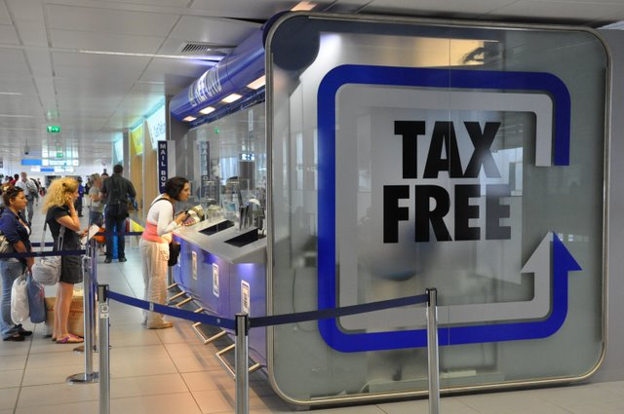
VAT refund system for foreign tourists takes effect in Uzbekistan
📅 15.07.2026
Starting April 1, 2026, a value-added tax refund (Tax Free) system for foreign citizens has been launched at all international airports in Uzbekistan.
The new system allows tourists to receive VAT refunds on goods purchased within the country. Refunds can be issued either in cash or transferred to a bank card. If a cashless method is chosen, the funds are credited within up to 3 business days after the goods are exported.
The minimum purchase amount eligible for a refund is 300,000 UZS (including VAT). Foreign citizens are refunded 85% of the VAT amount, while the remaining 15% is allocated to cover the services of the Tax Free system operator.
The previously limited list of goods eligible for Tax Free (with the exception of food products) has been abolished.
It is expected that the introduction of Tax Free will increase the country’s attractiveness for foreign tourists, contribute to the growth of retail trade, and support further development of the tourism sector.
In the future, the system is planned to be expanded in stages — in addition to airports, it will be introduced at railway stations and border customs checkpoints, as well as extended to a wider range of retail outlets, including the broader retail sector.
Special attention is being paid to digitalization: to simplify refund procedures, active use of modern information technologies and mobile solutions is planned.
https://drive.google.com/drive/folders/17nMg1wYgHffU-lzB_rVNniVP1oKq1hE2?usp=sharing
Dunyo IA
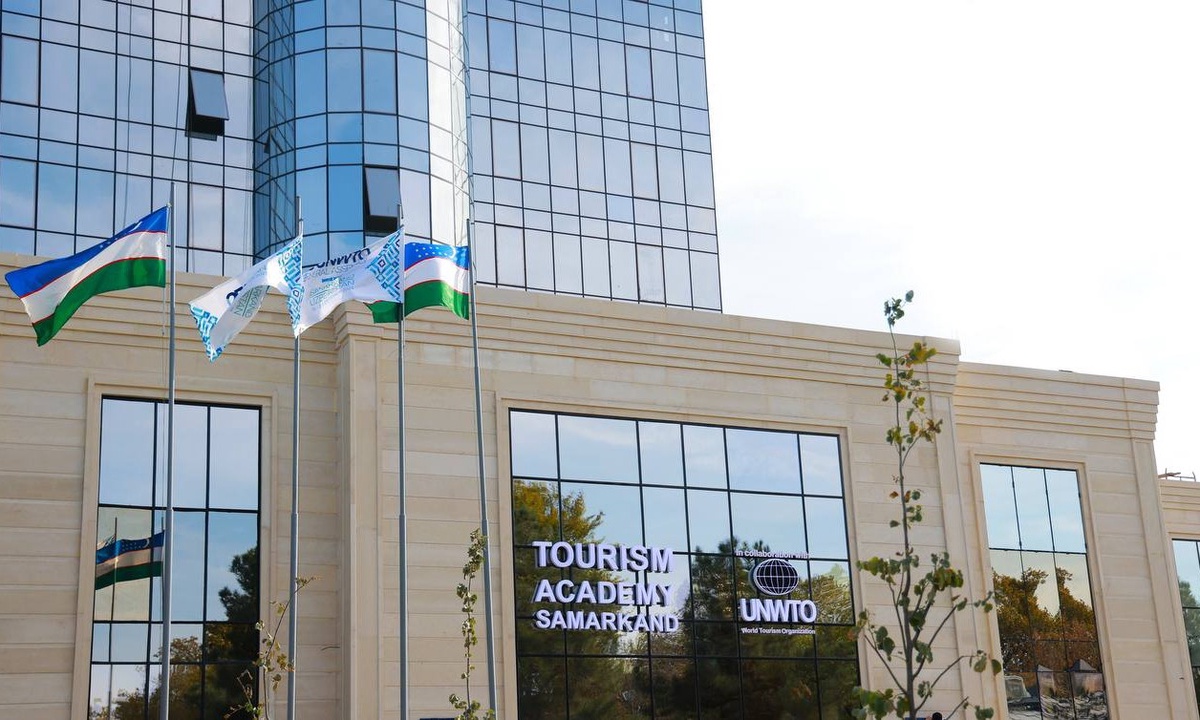
Establishment of the Samarkand Campus of the International Tourism Academy
📅 14.12.2025
On 20 November of the current year, the President of the Republic of Uzbekistan adopted Resolution No. PQ-350 entitled “On the Establishment and Organization of the Activities of the Samarkand Campus of the International Tourism Academy under the Auspices of the World Tourism Organization (UN Tourism)”.
In accordance with the Resolution, the following key performance objectives have been defined for the activities of the Samarkand Campus of the International Tourism Academy (hereinafter referred to as the Academy), established under the auspices of the World Tourism Organization of the United Nations, including:
-
establishing cooperation with one of the world’s top-10 ranked educational institutions and launching the training of highly qualified specialists;
-
organizing professional development courses of up to one month and retraining programs of up to eight months.
The Academy shall operate within the structure of the “Silk Road” International University of Tourism and Cultural Heritage. Educational activities at the Academy shall be carried out in accordance with the education formats applicable in the Republic of Uzbekistan and shall be conducted in Uzbek, Russian, and English.
Starting from 1 December 2025:
-
specialists of tourism sector entities shall undergo retraining and professional development on a contractual basis;
-
annually, 100 talented specialists from member states of the World Tourism Organization shall be awarded special grants to pursue retraining and professional development programs at the Academy.
Uzbekistan and Qatar set course for strengthening tourism ties
📅 06.11.2025
In recent years, Uzbekistan and Qatar have been deepening their cooperation in the field of tourism, transforming mutual interest into tangible joint projects. Tourism has become more than an economic sector — it serves as a bridge between cultures, offering the peoples of both countries an opportunity to discover each other’s rich history, spiritual traditions, and modern identity.
The foundation of this partnership lies in the Memorandum of Understanding signed between the two governments in 2010. This document marked the first step toward a structured dialogue, and the following years have shown both sides’ readiness to enrich their cooperation with concrete initiatives.
Step by step, collaboration in the tourism field has taken on a more sustainable character, reaching a qualitatively new level in 2025. One of the key decisions was the introduction of a visa-free regime for Qatari citizens for stays of up to thirty days. This milestone has expanded tourism exchange and clearly demonstrated Uzbekistan’s openness to visitors from the Persian Gulf.
Active cooperation in the field of tourism is maintained at a high level. In recent years, Uzbekistan has repeatedly showcased its potential at international venues in Doha, taking part in exhibitions, forums, and presentations. The country’s national stands attract great interest from tourism professionals and the general public alike. They highlight everything Uzbekistan is renowned for — its ancient cities, UNESCO World Heritage sites, traditional crafts, cuisine, and the warm hospitality of its Eastern culture.
In 2025, a highlight of the bilateral calendar was the Uzbekistan–Qatar International Tourism Forum, held in Doha during the summer. The forum became an important platform for exchanging experience, building partnerships, and discussing joint projects in the tourism sector.
Representatives of tourism companies, airlines, and the hospitality industry from both countries discussed opportunities to promote travel routes, organize familiarization tours, and develop infrastructure. As a result, agreements were reached on several joint initiatives aimed at increasing tourist flows and enhancing Uzbekistan’s visibility in the Qatari market.
Alongside business cooperation, image-building and cultural projects are also thriving. At the initiative of the Tourism Committee and the Embassy of Uzbekistan in Qatar, a large-scale media campaign was launched in Doha in 2025: videos about Uzbekistan were displayed on giant LED screens along the city’s main streets.
Alongside business cooperation, image-building and cultural projects are also thriving. At the initiative of the Tourism Committee and the Embassy of Uzbekistan in Qatar, a large-scale media campaign was launched in Doha in 2025: videos about Uzbekistan were displayed on giant LED screens along the city’s main streets.
The footage featured the majestic domes of Samarkand and Bukhara, mountain landscapes, vibrant bazaars, and modern Tashkent. This visual campaign became part of a broader strategy to promote the country’s image and strengthen cultural ties between the two nations.
Uzbekistan’s participation in major international exhibitions in Qatar continues to attract considerable attention. The national stands traditionally highlight tourism routes as well as initiatives in pilgrimage, gastronomic, and eco-tourism, alongside cultural heritage projects. Visitors note the country’s unique combination of authenticity and modernity, which makes Uzbekistan stand out as a dynamic destination, one that can both surprise and inspire.
The Qatari audience increasingly views Uzbekistan as a new and appealing destination for travelers. This growing interest is reinforced by ongoing efforts to promote the country through Arab media and digital platforms.
Cultural exchange also plays a vital role. The organization of thematic exhibitions, gastronomic festivals, and Uzbek Culture Weeks in Doha provides a strong foundation for humanitarian cooperation. These initiatives showcase Uzbekistan’s tourism potential and foster mutual understanding and respect between the peoples of both nations.
A new model of cooperation is gradually emerging, in which tourism serves not merely as an economic driver but as a key instrument of people-to-people diplomacy. Through travel, joint projects, and exchanges of expertise, Uzbekistan and Qatar continue to discover each other’s traditions, contemporary life, and future potential.
The growing tourism partnership between the two countries reflects a broader trend of Uzbekistan strengthening its ties with the countries of the Persian Gulf. Shared values of hospitality, a deep respect for cultural heritage, and a commitment to building bridges between Central Asia and the Arab world provide a solid foundation for long-term collaboration.
Uzbekistan and Qatar are not just developing tourism — they are creating a space of trust, exchange, and inspiration. This dialogue of cultures, which began with diplomatic agreements, is evolving into a living story of connection between people, traditions, and ideas, uniting the two nations and opening new horizons for future cooperation.
Development of Uzbekistan's tourism industry contributes to the welfare of the people
📅 22.06.2024
Uzbekistan, with its rich cultural heritage, historical monuments and beautiful nature, is among the states that pay great attention to the development of tourism. The Strategy "Uzbekistan - 2030" sets the task of increasing the number of tourists by creating broad conditions for the development of foreign and domestic tourism.
In terms of the number of foreign tourists, Uzbekistan has reached 98% of the level observed before the pandemic. In particular, 6.748 million foreign tourists visited the country in 2019, and by 2023, this number amounted to 6.626 million. This indicates the rapid recovery of the tourism industry in our country.
In order to attract more foreign tourists, Uzbekistan is taking practical measures to simplify the visa regime, develop new destinations, attract investment in projects related to this industry and hold major events. For example, in 2023, 508 projects with a total value of 9.5 trillion soums were implemented, which created 9,492 new jobs. 183 new hotels and 232 hostels were opened, with the total number of accommodation facilities reaching 5,526. In addition, 452 family guesthouses were established, the total number of which reached 3,458. With the opening of 810 new tourism organizations and travel agencies, their total number increased to 2,649.
From 2017 to 2023, the number of foreign tourists visiting Uzbekistan has increased significantly. In particular, in 2017, 2.7 million people visited the country, and in 2023, this figure amounted to 6.6 million, which is 2.5 times more than in 2017 and 1.3 times more than in 2022.
The number of tourists from Japan in 2023 increased 5 times, from India and Italy 3.5 times, and from the United States 2 times. In 2023, foreign tourists from neighboring countries accounted for 80.7%, as well as 11.5% from other CIS countries and 7.8% from other countries. The average duration of stay of tourists increased to 4-5 days, which is 1.5 times more compared to 2022 (3 days). This indicates the creation of all necessary conditions for comfortable stay of tourists in the country.
Domestic tourism is also developing rapidly. Within the framework of the program "Travel Uzbekistan!" 15 million people traveled around the country, making 21 million visits to various regions. As social support, 1,100 people with disabilities and 570,000 young people were sent on trips.
In 2023, tourism services exports totaled $2.1435 billion, a 1.3-fold increase from 2022. Also, about 70 thousand new jobs were created in tourism and related industries. This shows that the country has created all necessary conditions for tourists, which contributes to economic growth and improvement of living standards of the population.
The development of tourism also contributes to achieving high positions of the country in international rankings. For example, in the Global Muslim Travel Index (GMTI-2023) Uzbekistan ranked 13th among 140 countries in terms of international pilgrimage tourism. At the Halal In Travel Awards 2023 ceremony, the city of Khiva was honored as the Islamic Heritage Tourism Destination of the Year.
At the 25th session of the UNWTO General Assembly held in 2023 in Samarkand city, Sentob village in Navoi region won the nomination "Best Tourism Village of 2023". In addition, the international publishing house Lonely Planet awarded Uzbekistan a special certificate in the nomination "Best Tourist Destination 2024".
Uzbekistan's inclusion in the list of the best countries for travel in 2024, according to the World of Statistics announcement, contributes to an increase in the number of foreign tourists and the volume of exports of tourism services. All this helps to strengthen the country's international image.
In general, the current state of Uzbekistan's tourism industry and its development trends demonstrate positive results. The analysis of measures taken for further development of tourism and prospects for the future confirms the strategic importance of this industry. In addition, the tasks on tourism development envisioned in the strategy "Uzbekistan - 2030" contribute to increasing the population's income, creating new jobs and ensuring the welfare of the people.
Iskandar Urokboyev,
Chief Specialist of the Department for Monitoring and Analysis of Economic Reforms of the Development Strategy Center
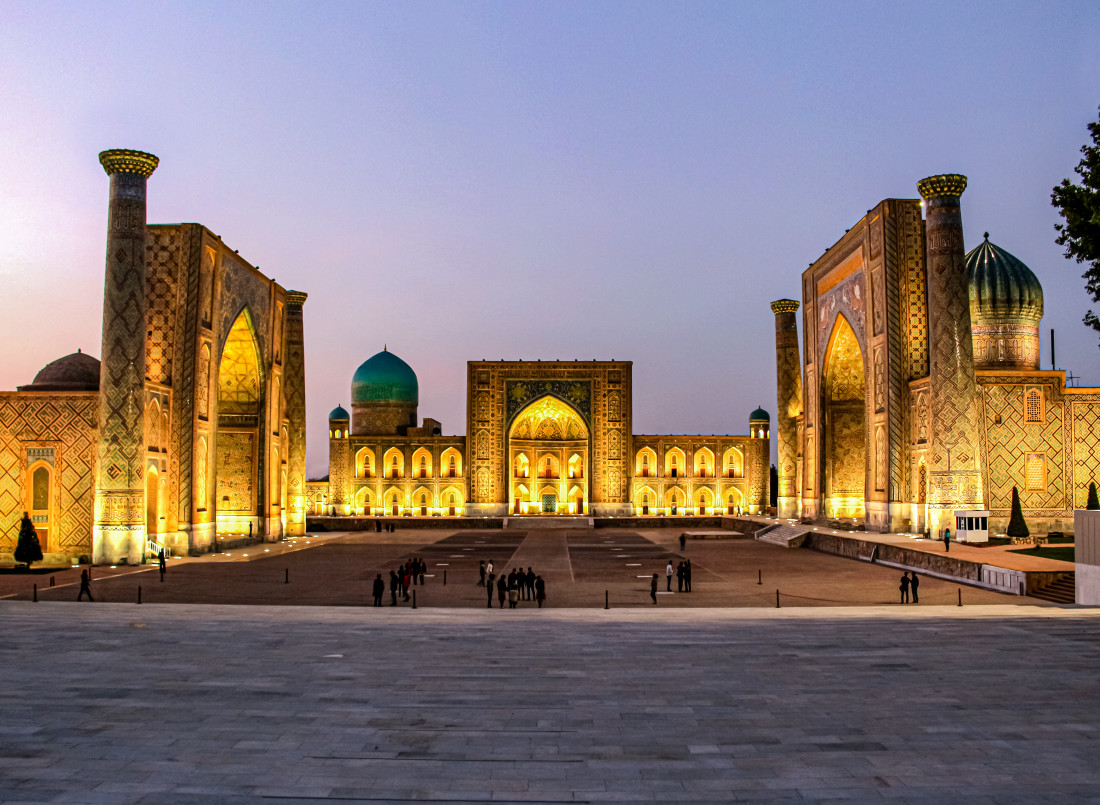
Safety as a Driver of Tourism Appeal: What an International Study Reveals
📅 09.07.2026
Personal safety is increasingly becoming one of the key factors influencing travelers' choice of destination. This aspect is reflected in the Safety Perceptions Index 2023, an international study published by the Institute for Economics & Peace (Vision of Humanity).
According to the study, Uzbekistan ranked first among 121 countries in terms of perceived personal safety. Unlike conventional rankings based on crime statistics, the Index measures how safe people feel in their daily lives, drawing on data from the global World Risk Poll.
In recent years, safety has become an increasingly important consideration for the global tourism industry. Alongside transport accessibility, service quality and tourism infrastructure, the perception of personal security plays a significant role in shaping confidence in a destination and influencing travel decisions.
In this context, the findings of the Safety Perceptions Index offer an additional perspective on Uzbekistan's tourism potential. Alongside its rich historical and cultural heritage, diverse travel experiences and continuously developing tourism infrastructure, the country's high level of perceived safety contributes to its international image as a welcoming destination.
The combination of cultural heritage, renowned hospitality, ongoing tourism reforms and a comfortable public environment creates favorable conditions for visitors. As Uzbekistan continues to expand its international tourism profile, findings from independent global studies provide valuable insight into how the country is perceived by people around the world.
Link to the analytical report:
https://www.visionofhumanity.org/wp-content/uploads/2023/02/SPI-2023-2.pdf
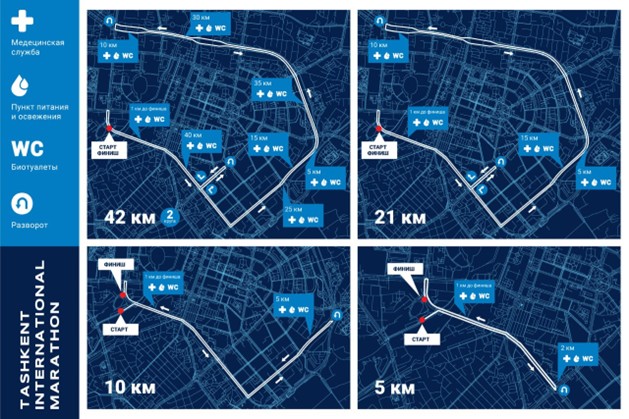
Tashkent International Marathon
📅 01.04.2026
Registration Instructions for the Tashkent International Marathon
Method 1. Online Registration on ProRun.uz
- Go to prorun.uz.
- In the main menu, select Tashkent International Marathon.
- Create an account on the website:
- fill in all required fields;
- upload a profile photo for your avatar (you may use any suitable image).
- Click “Register”.
- Choose one of the available distances: 5 km, 10 km, 21 km, or 42 km.
- Read the competition regulations and terms and confirm your agreement by checking the box.
- Choose a convenient payment method:
- local payment systems, or
- VISA / Mastercard.
- Enter your payment details and complete the payment.
- After successful payment, a QR code will appear in your personal account. You must present this QR code when collecting your race kit.
- An email with a PDF document confirming your registration will be sent to the email address you provided.
Method 2. Registration by Email
(for teams, companies, organizations, and countries)
You can submit your application by sending an email to:
info@prorun.uz
Email subject line should be:
Application for Tashkent International Marathon / Name of the team, company, or country
You must attach an Excel file to the email with the following columns filled in:
- Name
- Surname
- Date of Birth
- Gender (male / female)
- Distance (5 K, 10 K, 21 K, 42 K)
- Team (name of the team / company / country)
- Personal Tel (personal contact phone number)
- Emergency Tel (emergency contact phone number)
After processing your application, the organizers will contact you by email and provide further instructions regarding payment and registration confirmation.
Method 3. Registration via Telegram Bot
You can also register via the official Telegram bot:
👉 @prorunuzbot
The registration process via the Telegram bot is the same as online registration on ProRun.uz:
— you will fill in your participant details step by step;
— choose a distance;
— confirm your agreement with the regulations;
— select a payment method and complete the payment;
— after successful registration, you will receive a confirmation and a QR code to collect your race kit.
Event Program
Saturday, April 4, HUMO Arena
Kids Run — 17:00
Fireworks — 19:30
Concert — 19:35–21:00
Sunday, April 5, HUMO Arena
05:00 — Opening of the старт village
06:00 — Marathon start (42 km)
07:30 — Half marathon start (21 km)
09:00 — 10 km race start
10:00 — Press conference and awards ceremony (42 km, 21 km, 10 km)
11:00 — 5 km Fun Run start
12:00 — Event closing
Tashkent International Marathon: International Standards, a Certified Course, Records, and the Image of Uzbekistan’s Future
Tashkent, Uzbekistan — On April 5, 2026, the capital of Uzbekistan will host the Tashkent International Marathon, the country’s largest international mass running event, bringing together more than 15,000 participants from over 30 countries, as well as thousands of spectators and visitors to the city.
The Tashkent International Marathon has been held for the eighth consecutive year and has become one of the country’s key sporting traditions. Each year, the number of participants steadily grows, reflecting the increasing interest in running, mass sports, and an active lifestyle. The marathon is not only a competition but also an important social project: the participation of citizens helps shape a healthy generation and a strong, active nation, and strengthens the values of physical culture and a healthy way of life.
The project is also a large-scale international platform that brings together sport, urban development, modern technologies, and the image positioning of Uzbekistan on the global stage.
Вот полный, аккуратный и профессионально звучащий перевод на английский:
Ideology: The Image of the Future
The ideological concept of the Tashkent International Marathon reflects Uzbekistan’s strategic course toward development and modernization:
— the country’s intention to send its first astronaut since independence into space as a symbol of a scientific and technological breakthrough;
— the image of modern Tashkent as a dynamically developing capital;
— the development of financial markets and the investment environment;
— digitalization and the implementation of artificial intelligence;
— modern approaches to governance and infrastructure;
— a focus on progress, innovation, and human potential.
Thus, the marathon becomes not only a sporting event, but also an ideological, image-building, and communication project that demonstrates the country’s course toward the future.
New Uzbekistan: Integration with the World Through Sport and Openness
The Tashkent International Marathon reflects the course of reforms being implemented within the framework of the “New Uzbekistan” strategy, aimed at strengthening international cooperation, openness, and the country’s integration into the global space.
The development of international sports projects has become an important part of modern state policy, where sport is seen as a tool for:
— expanding international humanitarian ties;
— promoting a positive image of the country;
— developing tourism and investment attractiveness;
— shaping an open and modern urban environment.
The marathon brings together participants from dozens of countries, demonstrating the practical implementation of the principles of openness and intercultural dialogue. Hosting an event of international level confirms the transformation of Tashkent into a dynamic global city where modern technologies, sustainable development, and new standards for organizing public events come together.
In the context of the reforms of New Uzbekistan, the development of mass sports is viewed as an element of strengthening human capital, social activity, and the country’s integration into the global sporting community.
International Status and Quality Standards
Since 2022, the Tashkent International Marathon has held the World Athletics Label — an official quality mark from the international governing body World Athletics for road races (marathons, half marathons, 10 km races, and others).
Holding the World Athletics Label means that the event meets strict international requirements and has passed an audit under World Athletics standards. In particular, this confirms that:
— the marathon course is certified and accurately measured;
— a professional timing system is used and results are correctly recorded;
— international standards of safety, medical support, and event organization are observed;
— race results are officially recognized and can be used for rankings, records, and qualifications;
— an international level of participants is ensured and transparent, unified rules apply to all;
— the event has passed inspection and audit for compliance with World Athletics requirements.
In addition, the marathon course holds an AIMS (Association of International Marathons and Distance Races) certificate, confirming the accuracy of the distance measurement and compliance with international standards for road races.
Inclusion and Social Mission
The Tashkent International Marathon is implemented in cooperation with the Agency for Social Protection of the Republic of Uzbekistan and follows the principles of inclusion and equal opportunities. The concept of the project is based not on separating people with disabilities, but on adapting the format of participation.
All participants start from the same старт line and cover the same distance. The only differentiation is based on the means of completing the distance (for example, wheelchairs or special devices) and on award categories, of which six are предусмотрено. This approach ensures a fair, transparent system of results evaluation in line with international practice.
As part of the development of the inclusive format of the event, the participation of handbike athletes (wheelchair marathoners) in the full marathon distance of 42.2 km is also planned. Their participation will become part of the concept of adaptation rather than separation and will emphasize the openness of the marathon to different formats of sport and ways of completing the distance.
This approach highlights the philosophy of the Tashkent International Marathon as a truly unifying event, where sport becomes a tool for social integration, equality, and mutual respect, and participation in the race becomes a symbol of an open and inclusive society that meets modern international standards for organizing mass sporting events.
Organizer
The organizer of the Tashkent International Marathon is ProRun.
The Race Director of the marathon is Andrey Kulikov, who has more than 8 years of experience in organizing creative marathons and international-level running events.
In 2025, Andrey Kulikov completed a specialized race director program in New York, and in 2026 he will implement the acquired standards and best international practices together with the Uzbekistan Athletics Federation.
Start, Finish, and Course
The start and finish of the Tashkent International Marathon will be located at HUMO Arena.
The marathon course will run along the central streets of Tashkent, covering key city avenues and iconic landmarks of the capital.
The route is laid out as follows:
— from the intersection near HUMO Arena to Nukusskaya Street (Shox Med Center area);
— then past Bobur Eco Park and the “Courage” Monument;
— then to the intersection of Abdulla Qadiri Street and Abay Street (near the Korzinka supermarket).
This route design makes it possible to showcase the modern image of Tashkent and create a spectacular urban course of international level.
Opening Ceremony
On April 4, 2026, at 19:00, the official opening ceremony of the Tashkent International Marathon will take place at HUMO Arena. The program includes:
— a parade of participants from different countries, highlighting the international status of the event;
— a festive concert and cultural program for residents and guests of the capital.
The opening ceremony will become a bright, standalone event in the city’s life and will emphasize the status of the marathon as a major international sporting and cultural project. The opening ceremony is open to everyone.
Starter Pack and Participation Conditions
Each registered participant of the Tashkent International Marathon will receive an official starter pack, which includes:
— a race bib number;
— an electronic timing chip for accurate result recording;
— the official marathon T-shirt;
— a finisher’s medal (for everyone who completes the distance);
— water and refreshments on the course and at the finish;
— access to event services (bag storage, medical support, recovery area);
— an electronic participant certificate and official result.
The participation fee is 300,000 (three hundred thousand) UZS per participant.
Special conditions are available for corporate teams and company entries. Participation in the marathon is open to both professional athletes and amateurs, making the event truly mass and unifying.
Prize Money
Marathon (42.2 km):
— 1st place — 65 million UZS
— 2nd place — 40 million UZS
— 3rd place — 25 million UZS
Half Marathon (21.1 km):
— 1st place — 15 million UZS
— 2nd place — 12 million UZS
— 3rd place — 10 million UZS
10 km:
— 1st place — 8 million UZS
— 2nd place — 6 million UZS
— 3rd place — 4 million UZS
5 km:
— 1st place — 3 million UZS
— 2nd place — 2 million UZS
— 3rd place — 1 million UZS
Course Records
Marathon (42.2 km):
— Men: Vladislav Primov (Belarus) — 2:18:39
— Women: Ekaterina Tunguskova (Uzbekistan) — 2:40:58
Half Marathon (21.1 km):
— Men: Rinas Akhmadeev (Russia) — 1:03:22 (record)
— Women: Maria Korobitskaya (Kazakhstan) — 1:12:53
10 km:
— Men: Hasan Mirsoatov (Uzbekistan) — 33:32
— Women: Azizakhon Mirzakbarova (Uzbekistan) — 38:49
About the Marathon in Brief
The Tashkent International Marathon is an international mass running event held in Tashkent, with an AIMS-certified course and World Athletics Label status since 2022. The project brings together sport, urban development, and modern ideology, shaping the image of Uzbekistan as a country oriented toward the future, innovation, and sustainable development.
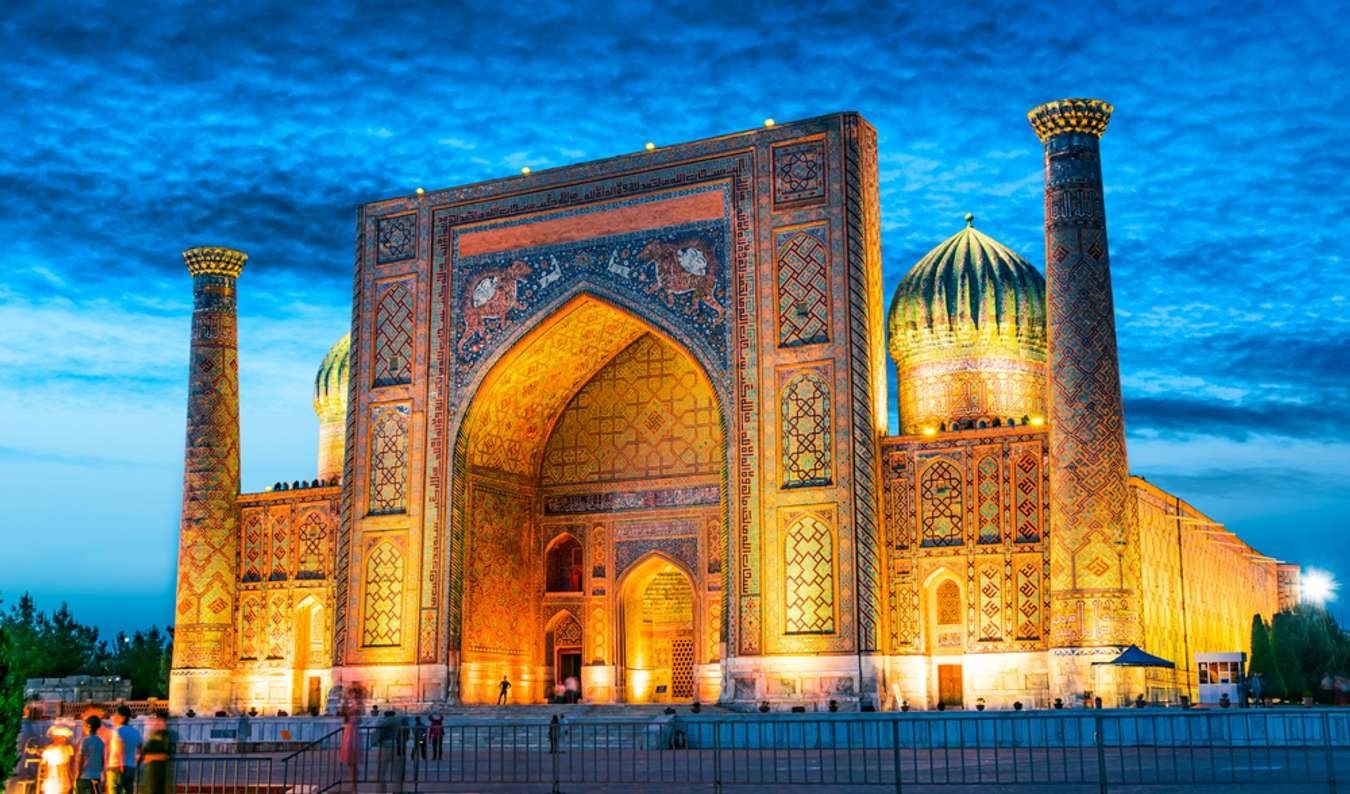
Uzbekistan is strengthening its position as a safe and open tourist destination.
📅 23.03.2026
By the end of 2025, Uzbekistan is demonstrating strong and dynamic growth in its tourism sector. Nearly 12 million foreign tourists visited the country, marking a 16% increase compared to the previous year.
Tourism service exports exceeded USD 4.8 billion, confirming the growing international interest in Uzbekistan and strengthening its position as one of the most promising tourist destinations in the region.
These results have been achieved through consistent reforms in the tourism sector aimed at improving infrastructure, enhancing transport accessibility, digitalizing services, and creating favorable conditions for travelers. The country is actively implementing projects focused on developing tourism clusters, improving service quality, and expanding international cooperation.
The Republic has introduced simplified entry procedures for foreign citizens. Currently, visa-free entry is granted to citizens of 94 countries, an electronic visa system is available for 52 countries, and a five-day visa-free transit regime applies to 45 countries.
Against the backdrop of ongoing geopolitical instability in certain regions of the world, including mass protests and demonstrations in some countries, the importance of safety and comfort for tourists is becoming increasingly significant.
In this context, Uzbekistan maintains its status as a stable, safe, and hospitable country, open to all visitors regardless of nationality or religion. Traditions of respect, tolerance, and genuine hospitality are an integral part of Uzbek culture.
International rankings confirm the high level of safety in Uzbekistan. In recent years, the country has consistently ranked among the leading nations in global safety indices. In particular, according to the “International SOS Risk Map,” Uzbekistan is classified as a “Low Risk” destination, placing it alongside several European countries in terms of overall safety.
According to the “Numbeo Safety Index,” Uzbekistan ranks 25th out of 148 countries worldwide, demonstrating a consistently low level of crime. Furthermore, in the “Solo Female Travel Safety Index” and the “Safety Perceptions Index,” Uzbekistan ranks 1st globally, achieving one of the highest safety scores for solo female travelers. Additionally, in the “Gallup Global Law and Order Index,” the country has also been among the global leaders in terms of public safety and trust in law enforcement. Taken together, these assessments contribute to a strong international image of Uzbekistan as a safe, stable, and comfortable destination for tourists.
Today, Uzbekistan offers visitors not only the rich cultural and historical heritage of the Great Silk Road but also modern infrastructure, comfortable conditions, and an atmosphere of openness.
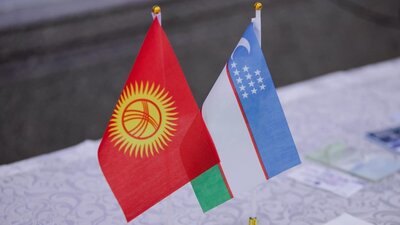
UZBEKISTAN AND KYRGYZSTAN STRENGTHEN TOURISM COOPERATION, MOVING FROM GROWING TOURIST EXCHANGES TO JOINT INITIATIVES
📅 23.07.2026
Central Asia continues to strengthen its position as one of the world's most promising tourism destinations, attracting an increasing number of travelers thanks to its rich historical and cultural heritage, unique natural landscapes, and expanding regional cooperation. Uzbekistan plays a key role in this process by consistently implementing large-scale tourism reforms, improving tourism infrastructure, and actively promoting the country's tourism potential on the international stage. During the first half of 2026, Uzbekistan welcomed more than 6.5 million foreign visitors for tourism purposes, nearly 25% more than during the same period last year. In May and June alone, the country received over 2.5 million international tourists, confirming the steady growth of global interest in Uzbekistan's tourism offerings.
Kyrgyzstan remains one of Uzbekistan's key regional partners. During the first six months of 2026, tourist arrivals from Kyrgyzstan continued to grow steadily, reflecting the strong tourism ties between the two countries and the progressive development of bilateral cooperation.
The growth in mutual tourist exchanges is the result of systematic efforts to expand cooperation in the tourism sector. Uzbekistan and Kyrgyzstan continue to strengthen their partnership through intergovernmental agreements and joint programs. Their cooperation covers a broad range of areas, including the promotion of joint tourism routes, participation in international tourism events, the organization of familiarization tours, the exchange of expertise, and the implementation of joint tourism development initiatives.
New opportunities for expanding bilateral cooperation have emerged following the proposal by the President of the Republic of Uzbekistan, Shavkat Mirziyoyev, to establish the Central Asia Tourism Ring. The initiative was announced in May 2026 during the Annual Meeting of the Board of Governors of the Asian Development Bank. It aims to create an integrated tourism space across Central Asia and provide additional opportunities for promoting multi-country travel routes, making the region even more attractive to visitors from third countries.
Today, cooperation between Uzbekistan and Kyrgyzstan extends well beyond the traditional exchange of tourists. Both countries are focusing on developing integrated tourism products primarily designed for travelers from third countries. Their shared historical and cultural heritage provides a strong foundation for creating itineraries that combine Silk Road landmarks, cultural attractions, and natural destinations across both Uzbekistan and Kyrgyzstan. The two countries are already jointly promoting such routes as "Journey Along the Silk Road" and "Journey Through the Natural Attractions of Uzbekistan and Kyrgyzstan," while also developing other collaborative tourism initiatives.
International tourism exhibitions, forums, and industry events remain important platforms for strengthening bilateral cooperation. Kyrgyzstan is one of the regular participants in the Tashkent International Tourism Fair "Tourism on the Silk Road," while representatives of the tourism authorities of both countries regularly meet during events organized under the framework of the Shanghai Cooperation Organisation. These meetings focus on increasing tourist flows, improving transport connectivity, promoting joint tourism routes, and expanding cooperation between tourism organizations.
In recent years, the two countries have organized reciprocal familiarization trips for tour operators, media tours, presentations showcasing the tourism potential of their regions, and joint educational programs. These initiatives facilitate the exchange of professional expertise, strengthen direct contacts between tourism industry representatives, and create new opportunities for promoting the tourism potential of both countries.
Among the most promising areas for future cooperation are the development of cross-border tourism, further improvement of border-crossing procedures, the promotion of new joint tourism routes, and closer collaboration within the concept of Central Asia as a single tourism destination. The implementation of these initiatives will create additional opportunities to increase mutual tourist flows and attract more international visitors from third-country markets.
The continued expansion of cooperation between Uzbekistan and Kyrgyzstan demonstrates the strong potential of their tourism partnership. Growing tourist exchanges, the development of joint projects, and the implementation of new regional initiatives are laying a solid foundation for further strengthening tourism ties, enhancing Central Asia's competitiveness in the global tourism market, and promoting the region as an attractive destination for international travelers.
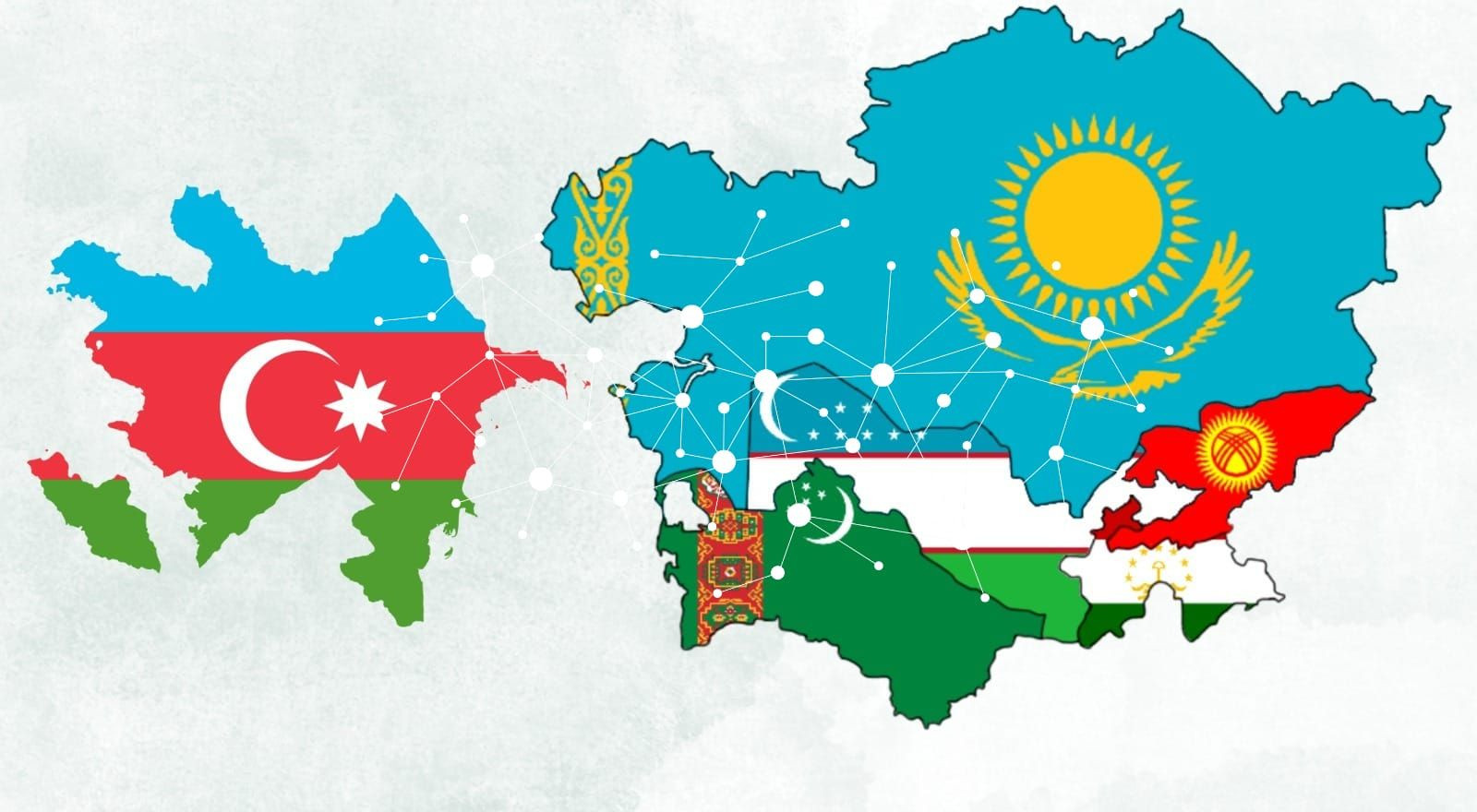
CENTRAL ASIA AND AZERBAIJAN: NEW PROSPECTS FOR REGIONAL COOPERATION IN TOURISM
📅 23.07.2026
In recent years, the development of regional cooperation has become one of the key drivers of sustainable growth in the global tourism industry. An increasing number of travelers are choosing to explore entire regions rather than individual countries, attracted by their shared history, cultural heritage, and convenient transport connectivity. As a result, the development of cross-border tourism routes and the joint promotion of tourism products are now widely recognized as effective tools for enhancing international competitiveness.
Central Asia possesses unique advantages for creating such an integrated tourism space. The historic cities of the Great Silk Road, rich cultural heritage, diverse natural landscapes, and centuries-old traditions provide exceptional opportunities for developing virtually every modern form of tourism—from cultural and heritage tourism and pilgrimage tourism to gastronomic, ethnographic, ecotourism, adventure, and medical tourism.
One of the most significant initiatives in this area was proposed by the President of the Republic of Uzbekistan, Shavkat Mirziyoyev, who put forward the idea of establishing the "Central Asia Tourism Ring"—a unified tourism area bringing together the countries of the region. The initiative was presented in May 2026 during the Annual Meeting of the Board of Governors of the Asian Development Bank.
Presenting the initiative, the President emphasized that amid growing global uncertainty, millions of travelers are increasingly choosing safe destinations, while Central Asia possesses enormous potential for the development of diverse tourism segments. Owing to comprehensive reforms in tourism infrastructure, improvements in service quality, visa and transport policies, and enhanced traveler safety, the number of foreign visitors to Uzbekistan has increased sixfold over the past decade. In 2025 alone, the country welcomed 11.7 million international visitors.
The development of the Central Asia Tourism Ring extends cooperation beyond the boundaries of the region itself. On the contrary, it creates new opportunities for collaboration with countries historically connected to Central Asia through the routes of the Great Silk Road. One of the most successful examples of such cooperation is the tourism partnership between Uzbekistan and Azerbaijan.
Bilateral cooperation in tourism is built upon a solid foundation. An intergovernmental agreement on cooperation was signed as early as 1996. Over the years, the two countries have significantly expanded their legal and institutional framework for cooperation, including the adoption of the 2024–2026 Tourism Action Plan between the Tourism Committee of the Republic of Uzbekistan and the State Tourism Agency of the Republic of Azerbaijan.
A new impetus to bilateral cooperation was given on 4 April 2025, when the National PR Centre of the Republic of Uzbekistan and the Azerbaijan Tourism Board signed a Memorandum of Understanding in Samarkand. The document provides for the implementation of the Joint Silk Road Highlights Tour project, aimed at jointly promoting tourism routes along the Great Silk Road in international markets.
The concept of the project is based on combining the tourism potential of the two countries into a single travel experience. The itinerary includes the historic cities of Baku, Shamakhi, Sheki, Khiva, Bukhara, and Samarkand, enabling international visitors to discover the rich cultural heritage of several major centers of the Great Silk Road within a single journey. Particular emphasis is placed on the joint promotion of tourism routes through webinars, roadshows, B2B meetings, and presentations for representatives of the international tourism industry.
A practical embodiment of this initiative was the joint Highlights of the Silk Road roadshow held in October 2025. The promotional campaign covered Germany, Austria, Switzerland, Hungary, the Czech Republic, and Spain. During the roadshow, tourism companies from Uzbekistan and Azerbaijan presented their tourism offerings to European partners, conducted a series of B2B meetings, and discussed opportunities for developing combined tour packages and expanding bilateral cooperation. The business programme was complemented by cultural events showcasing the rich traditions and cultural heritage of both countries.
The effectiveness of these joint efforts is also reflected in tourism statistics. During the period from January to May 2026, the number of Azerbaijani citizens visiting Uzbekistan increased by more than 80 percent compared with the corresponding period of the previous year. This strong growth demonstrates the increasing interest in Uzbekistan's tourism potential and the effectiveness of the two countries' joint promotional efforts.
Alongside the implementation of major joint projects, practical cooperation between the respective tourism authorities continues to expand. Representatives of the tourism administrations of both countries regularly participate in international tourism exhibitions, industry forums, and meetings of international organizations. They also conduct reciprocal official visits, organize familiarization tours for media representatives and tourism professionals, and implement joint cultural and gastronomic initiatives. This format of cooperation facilitates the exchange of expertise, strengthens the promotion of national tourism brands, and contributes to the development of new competitive tourism products.
Looking ahead, the two countries intend to further develop joint Silk Road tourism routes, expand professional exchange programmes for tourism specialists, strengthen cooperation in tourism education and capacity building, and intensify the joint promotion of their tourism potential in third-country markets.
Today, Uzbekistan's tourism policy is guided by the principles of openness, partnership, and regional connectivity. The initiative of the President of the Republic of Uzbekistan to establish the Central Asia Tourism Ring creates new opportunities for developing modern multi-destination tourism routes, while the successful implementation of joint projects with Azerbaijan demonstrates the effectiveness of coordinated efforts to promote the shared heritage of the Great Silk Road. The consistent expansion of such cooperation contributes to enhancing Uzbekistan's tourism appeal, strengthening international partnerships, and creating new opportunities for the sustainable development of the tourism industry.
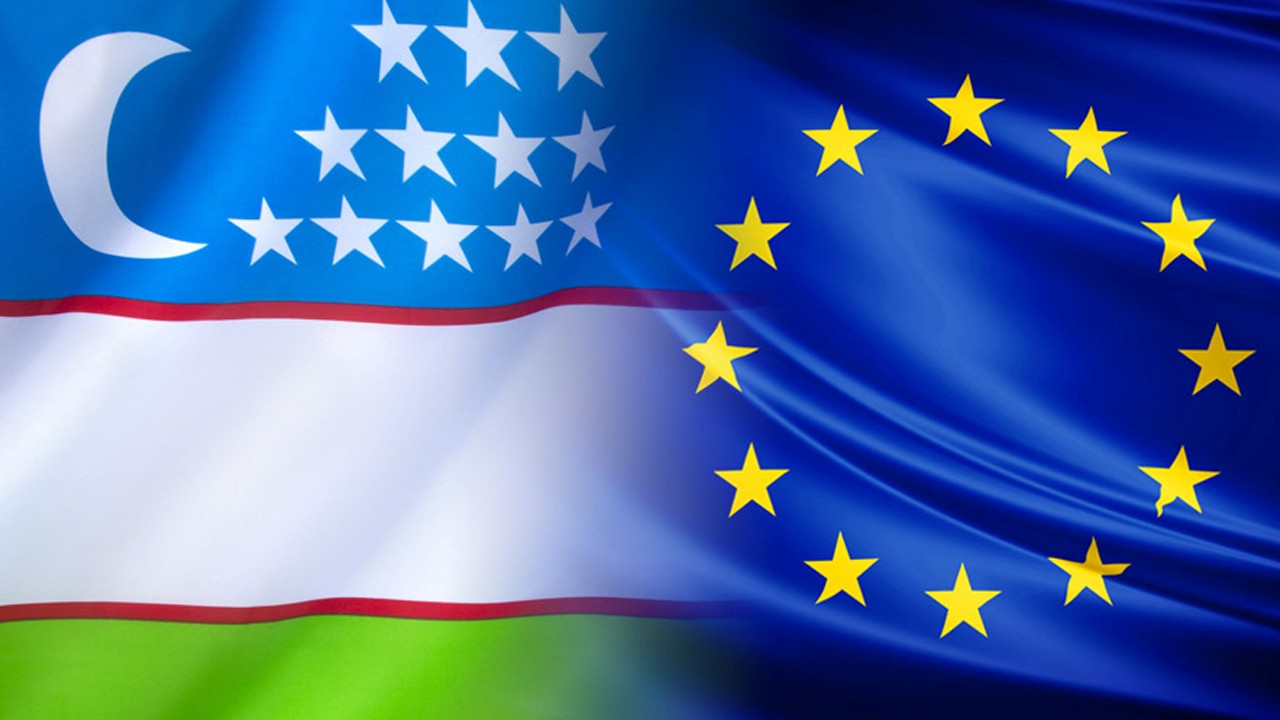
Tourism as a bridge for cooperation between Uzbekistan and the EU
📅 29.10.2025
In recent years, tourism has become one of the priority areas in Uzbekistan’s foreign economic strategy. As part of this policy, the country is actively strengthening its partnership with the European Union, turning the tourism sector into a powerful driver of economic growth, cultural exchange, and enhanced international reputation.
Collaboration with the EU encompasses a broad spectrum of initiatives — from joint infrastructure and digital projects to promoting tourism on the global stage. A significant milestone was the first “Central Asia – European Union” summit held in April 2025 in Samarkand. A declaration on strategic partnership was adopted at the summit, highlighting the importance of tourism development.
President of the Republic of Uzbekistan, Shavkat Mirziyoyev, put forward the “One Tour – The Whole Region” initiative, aimed at unifying Central Asian tourist routes in line with EU standards. The goal is to simplify visa procedures, promote cultural exchange, and make travel across the region more accessible and appealing to European tourists.
Cultural cooperation has become a key element of this partnership. One of the most notable events was the large-scale production of the ballet Lazgi, which symbolized the cultural dialogue between Uzbekistan and the countries of Europe. Uzbekistan is also participating in international programs such as Horizon Europe, which contribute to the development of scientific and educational potential, directly impacting the quality of tourism services.
The economic benefits are already noticeable. In 2025, Uzbekistan expects to welcome over 11 million foreign tourists, with industry revenues projected to reach $4 billion. To achieve these goals, the country is actively modernizing its infrastructure and implementing digital solutions in the tourism sector. For example, the CAREN program established high-speed connectivity between universities in Central Asia and Europe, promoting the exchange of knowledge and innovation in the field of tourism.
Special attention is given to promoting Uzbekistan’s tourism image on international platforms. Leading media outlets such as Euronews, BBC, CNN, and National Geographic present the country as a promising destination, which contributes to the growth of tourist inflow from Europe.
A significant contribution to the promotion was made by the roadshows organized in European capitals—Berlin, Paris, Madrid, Rome, Zagreb, and Warsaw. These events not only showcased Uzbekistan’s cultural heritage but also served as a platform for establishing business connections with tour operators and investors.
Moreover, sustainable tourism development is a key focus: projects aimed at preserving natural and cultural heritage are being implemented, environmental standards are being introduced in tourist areas, and green infrastructure is being developed.
The partnership between Uzbekistan and the European Union in tourism is more than just an exchange of experience—it is a strategic alliance that brings real economic, cultural, and social benefits. This collaboration creates new opportunities for the region, strengthens bonds between peoples, and makes Central Asia more open and appealing to the world.
Chairman of the Tourism Committee
U.Shadiev
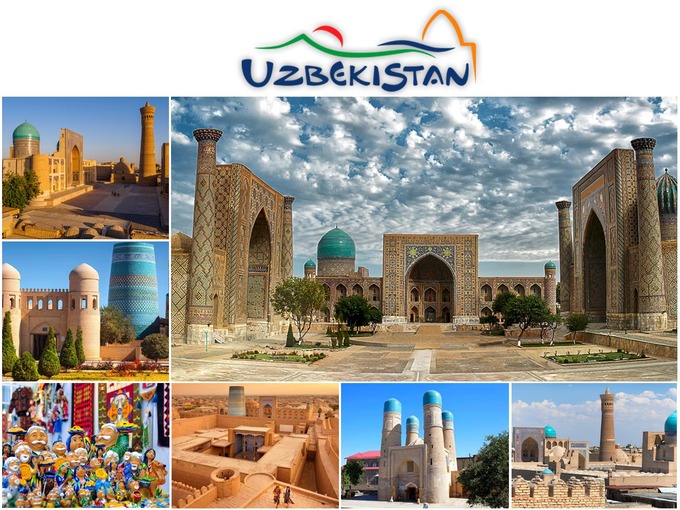
Key Information Materials on Promoting the Tourism Potential of the Republic of Uzbekistan and Its Image as a Safe Tourist Destination
📅 08.07.2026
1. Uzbekistan is One of the Safest Countries in the World
Uzbekistan ranked 1st out of 121 countries in the international Safety Perception Index 2023 published by Numbeo and was recognized as one of the safest countries in the world.
Sources:
— Safety Perception Index 2023 (Numbeo);
— Embassy of the Republic of Uzbekistan in the Federal Republic of Germany: https://www.uzbekistan.de/frontend/web/news/228?language=en
2. Tourist Safety Assurance System
In order to create a comfortable and secure travel environment for foreign visitors, Uzbekistan has established the Tourist Police and specialized Tourism Safety Units. This system is designed to provide tourists with prompt assistance, protect their rights, and ensure a safe travel experience.
Sources:
— Uzbekistan.travel — Tourist Police: https://uzbekistan.travel/en/o/tourist-police/
— Decree of the President of the Republic of Uzbekistan No. PF-4861 (State policy on ensuring the safety of tourists).
3. UNESCO World Heritage Sites
Uzbekistan is home to unique cultural heritage sites located in the historic cities of Samarkand, Bukhara, Khiva (Itchan Kala), and Shakhrisabz, all of which are included on the UNESCO World Heritage List.
Sources:
— UNESCO World Heritage Centre: https://whc.unesco.org
— UNESCO World Heritage Sites in Uzbekistan: https://whc.unesco.org/en/statesparties/uz
4. Historical and Cultural Center of the Great Silk Road
Located at the heart of the Great Silk Road, Uzbekistan has for centuries served as a major historical, cultural, and trade hub connecting the civilizations of the East and the West.
Source:
— UNESCO Silk Roads Programme: https://en.unesco.org/silkroad
5. Modern Transport and Tourism Infrastructure
In recent years, Uzbekistan has consistently developed its hotels, international airports, railway network, and road transport infrastructure.
A modern logistics and transport system has been established to facilitate travel between the country's major tourist destinations.
Sources:
— Government Portal of the Republic of Uzbekistan – Tourism: https://gov.uz/en/activity-page/tourism
— Ministry of Transport of the Republic of Uzbekistan: https://gov.uz/oz/mintrans
6. Liberalization of the Visa Regime
Uzbekistan has introduced visa-free and simplified entry procedures for foreign nationals, significantly expanding opportunities for international visitors to travel to the country.
Sources:
— Ministry of Foreign Affairs of the Republic of Uzbekistan: https://mfa.uz
— Government Portal of the Republic of Uzbekistan: https://gov.uz
7. Comprehensive Reforms in the Tourism Sector
Uzbekistan is implementing consistent reforms aimed at developing tourism as one of the country's strategic sectors of the economy. In particular, Presidential decrees and resolutions have been adopted to expand tourism services, increase the number of foreign visitors, attract investment, and develop infrastructure in accordance with international standards.
Sources:
— List of Decrees and Resolutions of the President of the Republic of Uzbekistan: https://gov.uz/en/uzbektourism/pages/o'zbekiston-respublikasi-prezidentining-farmonlari-va-qarorlari
— Tourism and Culture – Government Portal: https://gov.uz/en/activity-page/tourism
8. Diversity of Tourism Destinations
Uzbekistan offers a wide variety of tourism experiences, including pilgrimage, cultural, gastronomic, ecotourism, mountain, adventure, and many other forms of tourism, providing extensive opportunities for both domestic and international travelers throughout the year.
Sources:
— Government Portal of the Republic of Uzbekistan: https://gov.uz/en/pages/tourism-type
— Official Tourism Portal "Uzbekistan.travel": https://uzbekistan.travel
Uzbekistan: high legal awareness and legal culture are the key to development
📅 22.06.2024
Legal education occupies a central place in shaping the legal consciousness and legal culture of the population. Therefore, in all his speeches, the President of the Republic of Uzbekistan pays serious attention to the importance of legal culture and the issue of its enhancement.
To this end, the Decree of the President of the Republic of Uzbekistan dated January 9, 2019 "On radical improvement of the system of raising legal consciousness and legal culture in society" was adopted, in which the social and economic reforms being implemented in the country are defined as the main tasks of raising legal consciousness and legal culture in society, the formation of a system of consistent communication to the population of the content and essence of the social and economic reforms being carried out in our country, the legislative acts and state programs being adopted, strengthening the life of the population, strengthening the legal culture in the country, and the development of a system of legal education.
This decree establishes that the raising of legal awareness and legal culture in society must be organized systematically and coherently on the principle of the individual, the family, the makhalla, the educational institution, the organization and society. In order to raise the legal consciousness and culture of the population, according to the "Uzbekistan - 2030" strategy, the number of non-State general secondary education organizations should be increased to 1000, the proportion of students studying in non-State general education institutions should be increased to 1000, secondary education organizations should be increased threefold, the level of coverage of young people in higher education should be increased to at least 50%, and the number of lawyers should be increased to at least 2000.
Thanks to the independence in the formation of legal consciousness and culture of the population, the new legal thinking and high spiritual potential of our people found its expression as an ideological basis in our updated Constitution. Our Constitution has emerged, on the one hand, as a direct product of the legal system, legal ideology and culture, which is a high expression of public legal consciousness, and, on the other hand, as an important factor in the formation of legal consciousness, new thinking and culture of the population, their positive orientation and elevation.
In our updated Constitution, important attention has been paid to the issue of raising the legal consciousness and culture of our citizens. Since article 50 of the Constitution provides that everyone has the right to education, that the State ensures the development of the system of continuing education, its various types and forms, and State and non-State educational organizations, that the State creates conditions for the development of preschool education and upbringing, guarantees free general secondary education and primary vocational education, that general secondary education is compulsory, that preschool education and upbringing, article 51 of the Constitution provides that preschool education and upbringing are compulsory, and that preschool education and upbringing are compulsory.
There is currently a need to overcome the legal illiteracy found in our society, to foster respect for the law and to achieve intolerance of corruption. An important component of all the work on withering the amateurism, the root of legal illiteracy is legal education of citizens. Legal education is not a simple aggregate of knowledge of law in a person and formal knowledge of legal issues, but a conscious assimilation of the basic provisions of the law, transformation of the acquired knowledge into personal trust, strict observance of the law, the subsequent transformation of its fulfillment into an internal need and habit.
A great role in legal education is played by fiction, mass media, television, radio and the press. The education of legal consciousness is an integral part of the cultural life of society as a whole and of the social function of the State. The main areas of education for legal awareness are legal training, carried out in the course of educational work, the promotion of legal knowledge through the mass media, wall newspapers, lectures, round tables, meetings, oral propaganda, theme evenings, and coercion to fulfill legal requirements.
Educational work raises the individual legal consciousness of a person to the understanding of the most general legal principles and requirements that are in the interests of the whole society and the state.
The task of raising free, educated and competent professional personnel who know their law, who rely on their own strengths and capabilities, who approach events around them independently and consciously, and who consider their personal interests in harmony with the interests of the country and the people, is one of the most pressing issues in the establishment of the New Uzbekistan.
It is necessary that every professional should be well aware of the legal acts of his/her branch and profession and be able to defend them. Therefore, equipping professional staff with legal consciousness, legal culture and legal knowledge is one of the main tasks of a country building a democratic State based on the rule of law. As long as every member of society does not know and realize his rights, duties and responsibilities, does not consider them as his vital need, our ultimate goal will be meaningless.
Legal culture is a qualitative application of law in the life of society. It is a kind of barometer in the use of legal opportunities in solving everyday problems and issues, in meeting the needs of the people. Legal culture as a component of the general culture of society provides conscious management of society, implementation of program tasks set before us, concerted activity of people to form the foundations of civil society with full awareness of the fundamental nature of social and political reforms carried out in our country.
Therefore, the current state of development of society requires a comprehensive improvement of legal culture, legal literacy of all participants of legal relations. Legal culture as a complex of legal knowledge, legal needs and isochoric practical activity serves to ensure the successful solution of the tasks facing society and the state.
One of the most important components of all the work to eradicate ego, legal illiteracy, loss of interest in themselves and others and indifference is the improvement of legal education of citizens. Legal education is not just a set of knowledge of law in a person and formal knowledge of legal issues, but a conscious assimilation of the basic provisions of the law, the transformation of acquired knowledge into personal trust, strict compliance with the law, the subsequent transformation of its implementation into an internal need and habit, the formation of legal activity of citizens.
A great role in legal education is played by fiction, mass media, television, radio and the press. Education of legal consciousness is an integral part of the cultural life of the whole society and the social function of the state. The main areas of education of citizens' legal consciousness are legal education of citizens in the course of educational work, propaganda of legal knowledge through the mass media, wall newspapers, lectures, round tables, meetings, oral propaganda, theme evenings, and coercion to fulfill legal requirements.
Further expansion of the scope of legal knowledge training in general education schools and academic lycées, the preparation of manuals in the form of questions and answers on legal issues frequently encountered in the daily life of the population and their free distribution to the public are of great importance in the development of the public's legal awareness and culture.
According to the Statistics Agency under the President of Uzbekistan, the number of general education establishments has increased by 660 over the past five years, and by the beginning of the 2023-2024 school year the number of operating general education establishments will total 10,750.
The number of non-state general education organizations is also increasing. According to the statistical department, by the beginning of the 2023/24 school year, the number of operating non-state general education organizations in Uzbekistan amounted to 293. Compared to the beginning of the 2018/2019 academic year, this indicator increased by 235.
Door-to-door promotion of legal solutions to issues frequently encountered in everyday life and the essence of newly adopted legislative acts plays an important role in raising the legal awareness and culture of the population, as well as free distribution of leaflets, booklets and other handouts to families aimed at conveying legal information, holding regular legal propaganda events among young people and parents on the age of marriage, conditions of alimony payment, incest and its legal consequences, discussion in the neighborhoods of the various
In addition, to review and organize the teaching of special courses" "study of the Constitution" and "study of human rights" in terms of systematic instruction in all types of education, to create a system of new-generation legal textbooks and teaching aids, including teaching aids for elementary school pupils in general education schools aimed at simple and visual instruction in legal knowledge, to organize and conduct national competitions in legal studies among pupils and students of educational establishments
There are currently 2,140 media outlets operating in our country, an increase of 626 from 2016. The fact that 65 percent of them are non-state media indicates that structural changes are consistently taking place in this sphere. It should be noted that along with traditional publications, online publications are rapidly developing, their number has reached 745, and they are attracting more and more readers.
The mass media of our country are boldly entering the international information space. The programs of the National Television and Radio Company of Uzbekistan and a number of private television studios are broadcast in more than 100 countries. Uzbekistan's national news agency, the Dunyo news agency, disseminates its news in 10 foreign languages.
It should be further recognized that the workers of the publishing and printing industry make a worthy contribution to the noble cause of popularizing reading in our country. The fact that 132 million copies of books on art and other literature have been published by the republic's publishing houses in recent years undoubtedly plays an important role in raising the consciousness of our book-loving people, first of all our youth.
Strengthening the role of the mass media in ensuring public control in raising the legal awareness and culture of the population, strengthening their links with government bodies and civil society institutions, training, retraining and professional development of teachers, expanding the scope of master's and doctoral theses on raising legal culture, with special attention paid to a comprehensive study of conflicts and violence in the family and their socio-legal consequences.
Thus, in order to increase the effectiveness of work on raising legal consciousness and culture of the population, to further improve their legal knowledge, to create in all higher educational institutions of our country departments of law, to establish in this department excellent teaching of such disciplines as law, constitutional law, human rights, to systematically organize on TV and radio channels a series of programs and broadcasts on human rights, as well as it is advisable to create in all pedagogical universities of our country the faculty of law and to train at it a legal expert.
Muhammadi Usmanov,
Professor of the University of Public Security
Professor of the University of Public Security of the Republic of Uzbekistan,
Doctor of Law

-
 Ministry of Foreign Affairs of the Republic of Uzbekistan
 -
 Diplomatic Service of the Ministry of Foreign Affairs
 -
 State Committee for Tourism Development
 -
Ministry of Investments and Foreign Trade of the Republic of Uzbekistan
-
 invest.gov.uz
 -
-

-

-

-
-

-

of Uzbekistan in the Republic
of Latvia
When using the information, a link to www.uzembassy.lv
must be provided.
All rights reserved
Address
Address: Riga c., LV-1010. 11-11 Elizabetes Str., Latvia
Phone: 37167322424
Fax: 37167322306
Email: embassy@uzbekistan.lv
Useful links
HomeIssuance of biometric passport for departure abroad
Certificate to return to Uzbekistan
Withdrawal of citizenship
Loss of citizenship