Phone
Consular Issues
Phone
Embassy messages
We recommend
Consular Services Reception Procedure at the Embassy of Uzbekistan in Latvia
📅 12.04.2026
PROCEDURE FOR RECEIVING APPLICATIONS
Consular District:
The consular district of the Embassy of the Republic of Uzbekistan in Latvia covers the following countries: Latvia, Lithuania, Estonia, and Finland.
Accordingly, persons residing in these countries must contact the Consular Section of the Embassy of the Republic of Uzbekistan in Latvia for all consular matters.
Reception Hours:
Consular reception is held on: Monday, Tuesday, Thursday, Friday — 09:00 to 18:00 Wednesday — no reception Weekends and public holidays — closed.
Appointment Booking:
Before visiting the Embassy, you must register for an appointment in advance by selecting a convenient date and time at: https://e-navbat.mfa.uz/texnolog/usluga?id=27
A confirmation will be sent to your email address after booking. You may only visit the Embassy after receiving this confirmation. Visits without confirmation are not valid.
Contact Information:
Phone: +371 67 322306 / +371 67 322304
Email: consulate@uzbekistan.lv
Telegram: @uzembassylv
Appointment booking: https://e-navbat.mfa.uz/texnolog/usluga?id=27
IMPORTANT!
If a consular officer is busy with a reception or phone call, the system does not produce a "busy" signal — a normal ringing tone continues while the incoming call is displayed on their monitor. If your call goes unanswered, this does not mean staff are absent; they are simply attending to another applicant. Please call again after a short while. Calls are only accepted from identifiable numbers — calls from withheld numbers are not processed by the system.
When contacting by email or Telegram, please provide your full details: full name (surname, first name, patronymic); passport details; residential address in Uzbekistan and in your country of residence; contact phone number.
Without this information, the application is considered anonymous and, pursuant to Article 29 of the Law of the Republic of Uzbekistan "On the Procedure for Reviewing Applications from Individuals and Legal Entities," will not be processed.
Public Holidays of the Republic of Uzbekistan January 1 — New Year's Day March 8 — International Women's Day March 21 — Navruz May 9 — Day of Memory and Honor September 1 — Independence Day of the Republic of Uzbekistan October 1 — Teachers' and Mentors' Day December 8 — Constitution Day of the Republic of Uzbekistan Ramazan Hayit (lunar calendar) Kurban Hayit (lunar calendar)
Note: In accordance with Uzbekistan legislation, additional days off may be declared on the eve of public holidays.
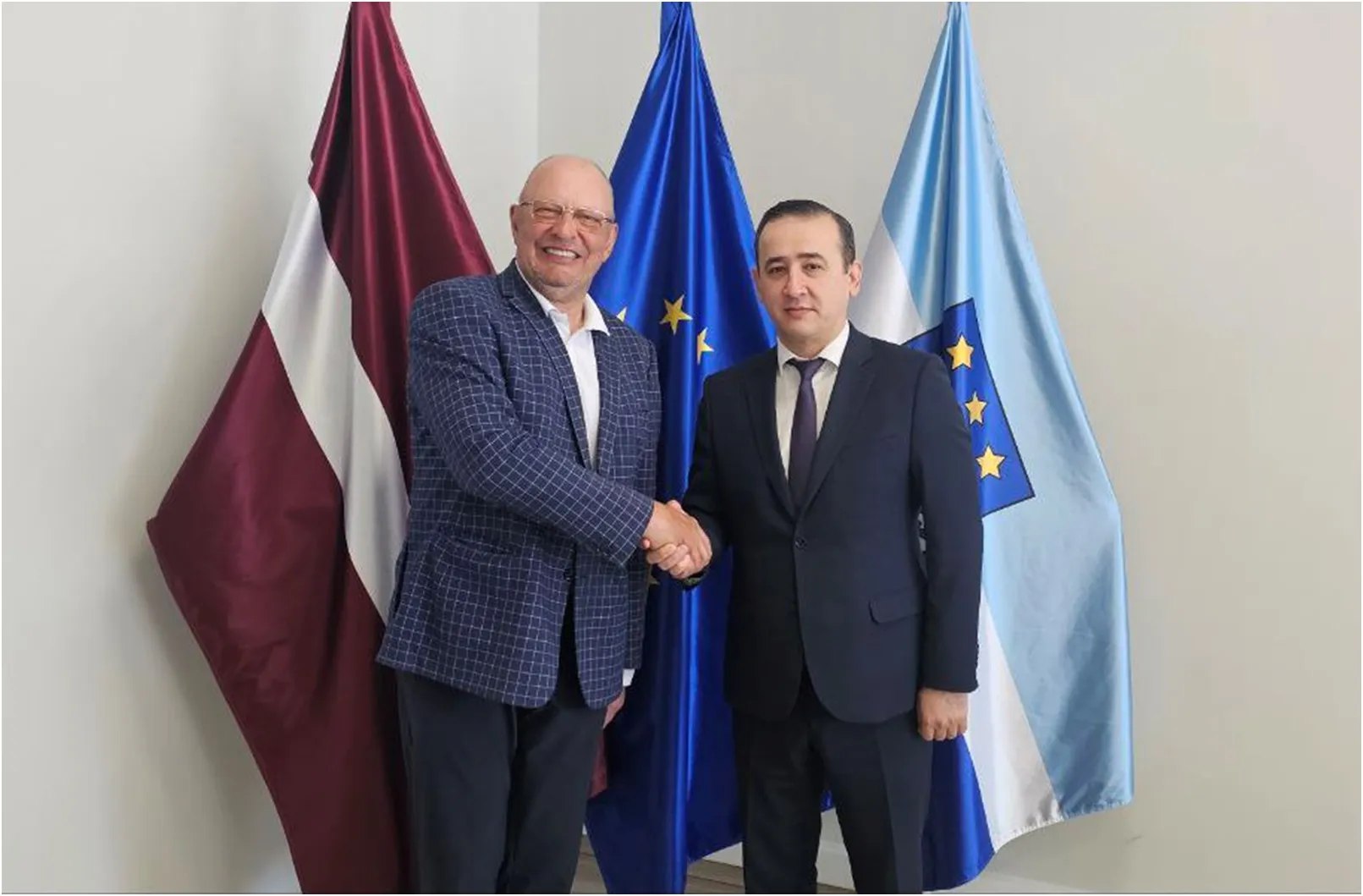
Jurmala is ready to present the tourism potential of Uzbekistan to its guests
📅 22.06.2024
RIGA, May 19. /IA "Dunyo"/. Uzbek Ambassador Timur Rakhmanov has met with Deputy Chairman of Jurmala City Advisory Council Janis Ledins, Dunyo news agency's correspondent reports.
During the talks, the sides discussed issues of expanding cooperation between the regions of Uzbekistan and Latvia in the spheres of trade and economy, science, education, culture and tourism.
The Latvian side was provided with information about the current development of Uzbekistan, economic and social reforms carried out in the country, investment potential and created conditions for doing business.
The representative of Jurmala administration expressed interest in the development of interregional cooperation, including in the sphere of tourism. In this direction, the issue of participation of the delegation of the Jurmala City Administration in the International Tourism Exhibition, which will be held in November in Tashkent, is being considered.
An agreement was reached to hold a presentation of Uzbekistan's tourism potential in July this year - during the opening of the tourist season in Jurmala, for a wider coverage of the public, which will be familiarized with the history, culture and tourism opportunities of our country.
The Latvian side also invited the Uzbek delegation to Jurmala city to hold Days of Uzbekistan in the first half of September.
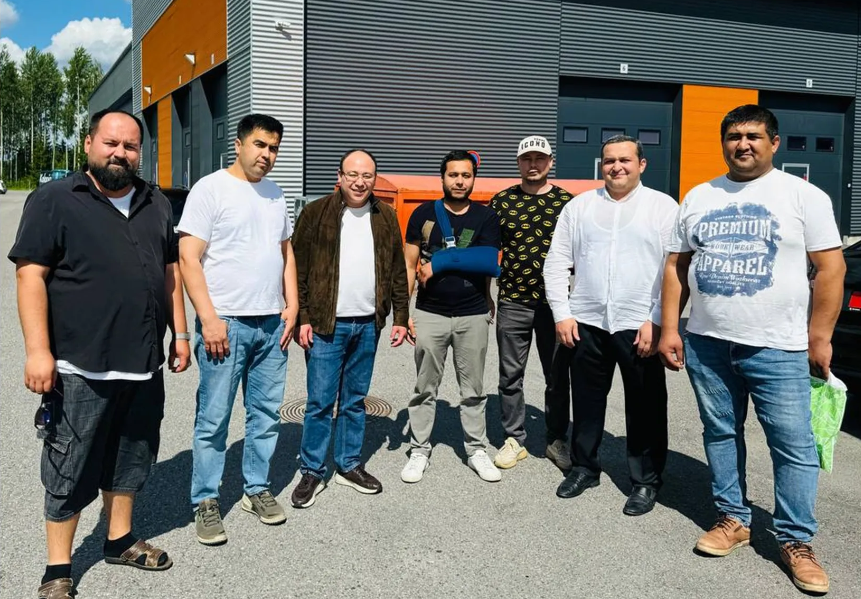
Diplomats of Uzbekistan held a visiting reception of fellow citizens living in Estonia and Finland
📅 21.06.2024
RIGA, June 21. /IA Dunyo/. The Embassy of Uzbekistan in Riga has organized a consular reception for fellow citizens living in Estonia and Finland, Dunyo news agency's correspondent reports.
Diplomats visited places of residence and labor activity of Uzbek citizens. During the reception they were given legal consultations on issues of interest to them and practical consular and legal assistance.
During the meeting with compatriots the discussion was about the reforms being implemented in Uzbekistan to organize safe and legal external labor migration, as well as the opportunities created for temporary labor activity in foreign countries.
There was a discussion on the negative consequences of illegal migration, human trafficking, falling under the influence of foreign ideas and participation in mass riots, as well as the need to comply with the legislation of the host country.
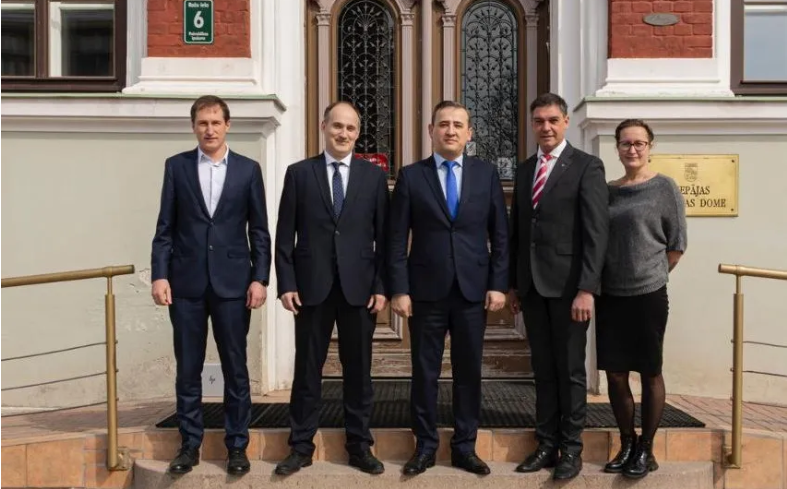
Ambassador of Uzbekistan visits the Latvian city of Liepaja
📅 04.05.2024
RIGA, May 2. /IA Dunyo/. Uzbekistan's Ambassador Timur Rakhmanov visited Liepaja city in order to study the prospects of establishing cooperation with industrialized regions of Latvia, Dunyo news agency's correspondent reported.
The program of his stay in the important industrial and port city included holding talks with the Liepaja administration, visiting the Liepaja Special Economic Zone (LSEZ), organizing a meeting with top managers of iCotton, a company specializing in deep processing of cotton and production of hygiene and cosmetology products, and acquaintance with the port infrastructure of the city.
Mayor Gunnar Ansins praised the reforms carried out in Uzbekistan, the conditions created in our country for foreign investors and the measures taken to support domestic producers.
The sides expressed interest in further boosting interaction in trade-economic, cultural-humanitarian, educational and other spheres.
Readiness to promote cooperation between the entrepreneurs of the two countries, including in the context of specific regions, was noted.
As a result of the visit, the schedule of forthcoming joint events was agreed upon, the organization of a business forum in Liepaja with the participation of representatives of Surkhandarya and Khorezm regions was started.
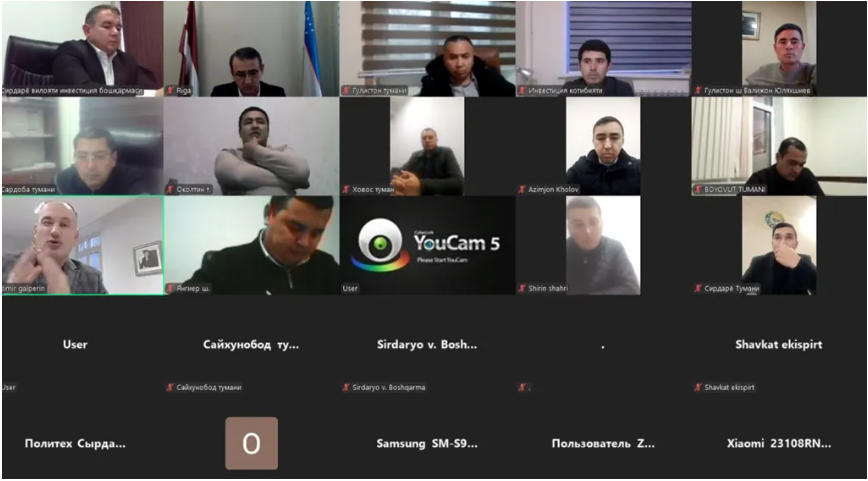
Торговый дом Узбекистана в Латвии провел онлайн-тренинг для хокимов и экспортеров Сырдарьинской области
📅 29.12.2024РИГА, 28 декабря. /ИА «Дунё»/. Глава Торгового дома Узбекистана в Риге и почетный консул нашей страны в Латвии Владимир Гальперин организовало в онлайн-формате «круглый стол» и семинар-тренинг на тему «Экспорт в Европу» для хокимов районов и экспортеров Сырдарьинской области, передаёт корреспондент ИА «Дунё».
В ходе мероприятия были подробно обсуждены нормативно-техническое регулирование и другие требования к экспорту узбекской продукции в страны Европы, поиску надежных партнеров, заключению контрактов, использованию возможностей торговых домов Узбекистана.
Кроме того, эксперт предоставил подробную информацию о требованиях и условиях, связанных с экспортом сельскохозяйственной продукции в Европу, стандартах упаковки пищевых продуктов, технологиях переработки и производства напитков. Участники были проинформированы о видах узбекской продукции, в которой заинтересованы латвийские, литовские и эстонские импортеры, а также о размерах этих рынков.
Мероприятие вызвало активный интерес участников к складам в Прибалтике и их аренде, а также таможенному оформлению и последующей доставке в другие страны Европы. На все вопросы были даны подробные ответы и достигнута договоренность между хокимиятами и Торговым домом Узбекистана о совместной работе по увеличению объемов экспорта из Сырдарьи на европейские рынки.
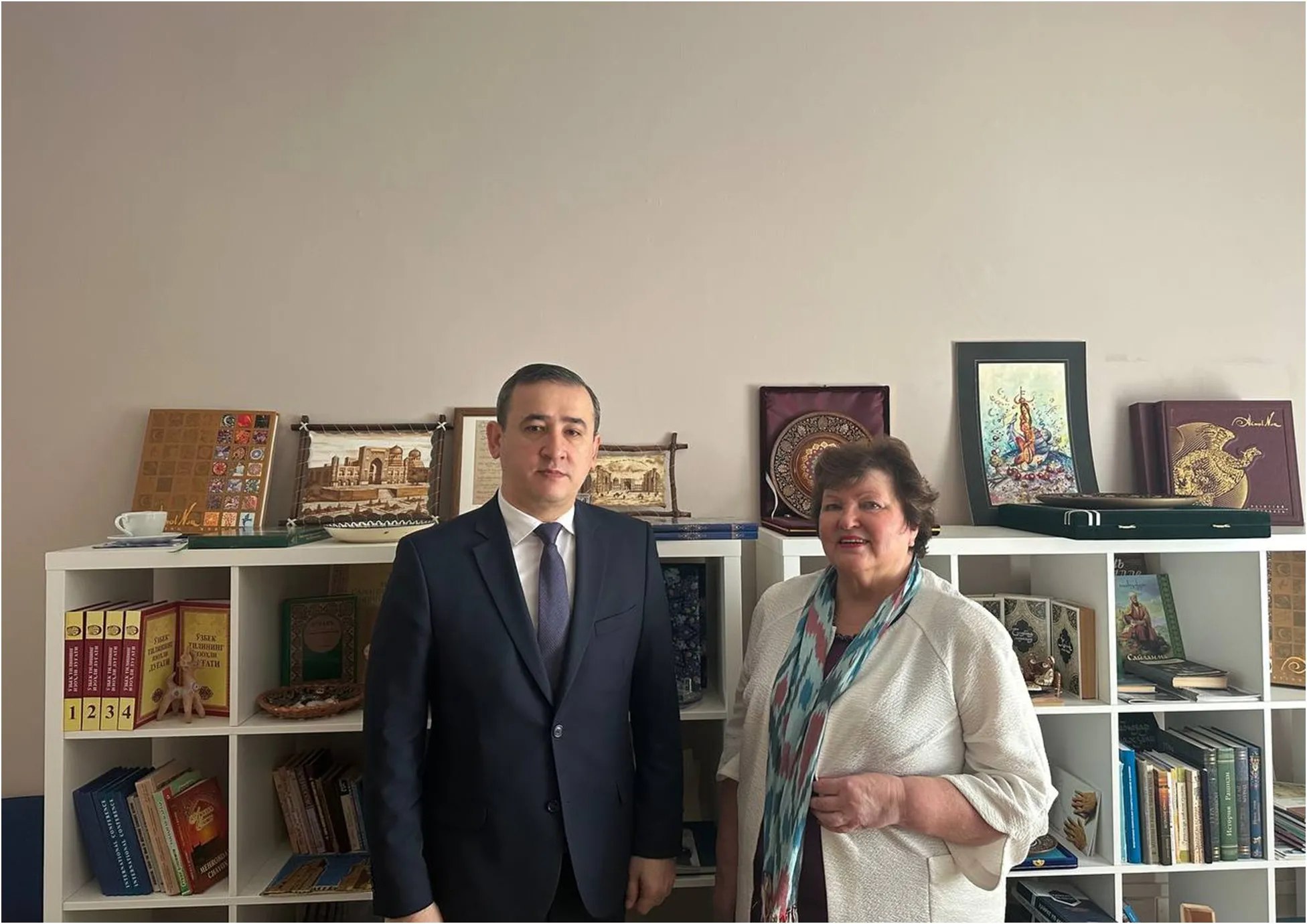
Latvian University Library is ready to establish experience exchange with libraries in Uzbekistan
📅 07.05.2024
RIGA, May 7. /IA "Dunyo"/. Ambassador Timur Rakhmanov met with the director of the academic library of the University of Latvia, Venta Koster, Dunyo news agency's correspondent reports.
During the meeting they discussed the development of cooperation between the libraries of the two countries, including the exchange of experience in this field, as well as the organization of exchanges between experts.
The director of the library of the Latvian university highly appreciated the reforms carried out in the field of science and culture in our country, and expressed interest in developing relations with the Alisher Navoi National Library, holding an exhibition dedicated to Uzbekistan on the basis of the library. It was emphasized that this exhibition will give an opportunity to Riga public and guests of the city to get acquainted with the reforms carried out in the sphere of culture, science and tourism in our country.
Following the talks, the sides agreed to sign a cooperation agreement between libraries of Uzbekistan and Latvia, develop a program of joint activities for 2024-2025, as well as organize an exhibition of famous Uzbek artist and craftsman Anorkul Boibekov in Riga in June.
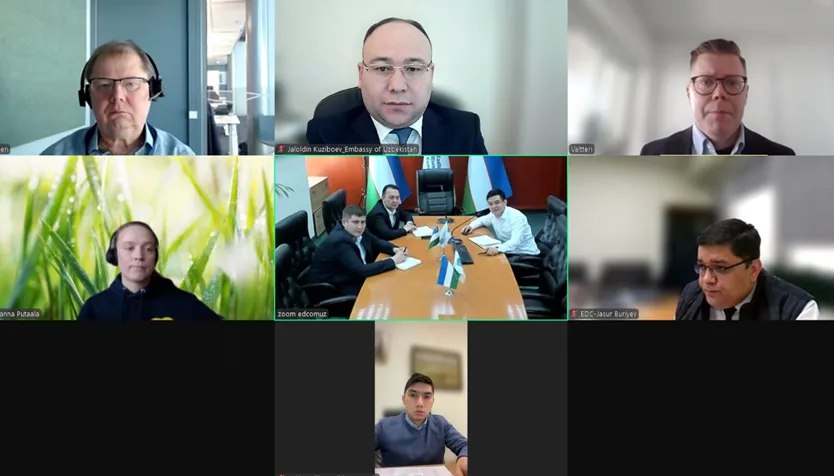
Uzbekistan and Finland discussed prospects for cooperation in the field of entrepreneurship support
📅 28.03.2025
HELSINKI, March 23. /Dunyo News Agency/. With the assistance of the Embassy of Uzbekistan, online negotiations were held between representatives of the Joint Stock Company "Company for the Development of Entrepreneurship" of our country and the Finnish company "Finnvera", the correspondent of the "Dunyo" News Agency reports.
During the meeting, "Finnvera" specialists exchanged views with their Uzbek colleagues on areas of mutual interest. In particular, they studied Finnish experience in matters related to the general aspects of "Finnvera" activities, the development and implementation of financial solutions for enterprises, as well as risk management.
Following the meeting, the parties reached an agreement on the further development of bilateral cooperation, including the organization of separate meetings on issues of mutual interest, the exchange of experience, as well as the visit of "Finnvera" representatives to Uzbekistan.
ЭЪЛОН!
📅 16.08.2024
Шуни маълум қиламизки, интернет тармоқларида жорий йилнинг 10 август куни Литва-Беларусь чегараси “Мядининкай” назорат пунктида Ўзбекистон Республикасида рўйхатдан ўтган юк машинаси контрабанда жиноятида гумонланиб Литванинг тегишли идоралари томонидан ушлангани хақида маълумот тарқалган.
Элчихона томонидан холат бўйича юқорида кўрсатилган назорат пункти ходимлари билан алоқалар ўрнатилган.
Бугунки кунда Божхона жиноий хизмати томонидан ушбу воқия юзасидан жиноят иши қўзғатилган ва Вильнюс туман прокуратураси томонидан тергов олиб борилмоқда.
Ушбу холат Элчихона томонидан назоратга олинган ва Литванинг тегишли идоралари билан доимий алоқа ўрнатилган.
Вазиятга тўлиқ ойдинлик киритилиши билан қўшимча хабар берилади.
Export of agricultural products from Uzbekistan to the Latvian market increases
📅 02.10.2024
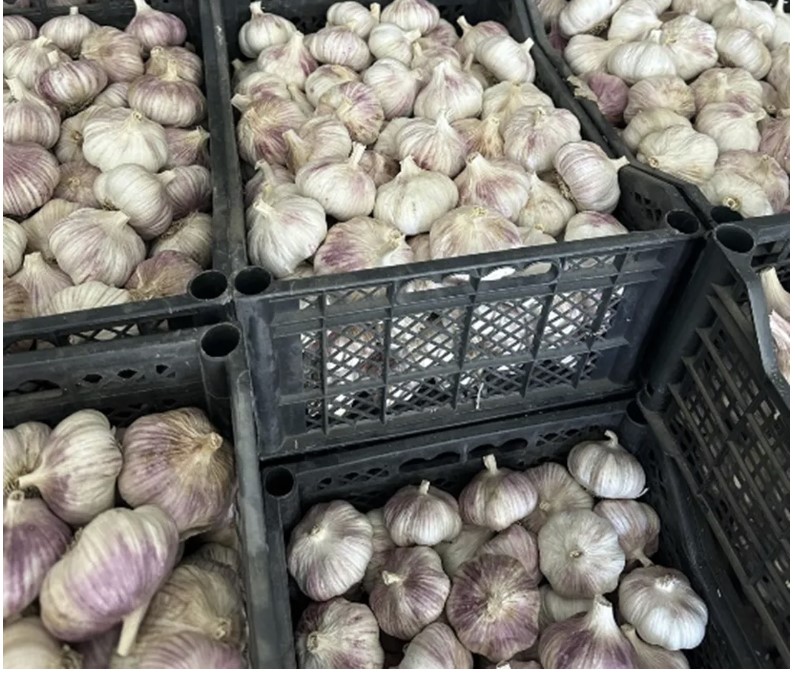
RIGA, September 20. /IA “Dunyo”/. With the support of our country's embassy, the volume of garlic exports from Uzbekistan to the Latvian market is increasing, Dunyo news agency's correspondent reports.
In particular, the products with a total volume of about 20 tons were supplied to Latvian company “KGS Group” by exporting company “Oksus” Ltd. from Uzbekistan, which went on sale in large shopping centers on September 16. It is planned to further increase the volume of supplies of these products to the markets of the Baltic States.
Negotiations are also underway with major importing companies to increase the range of Uzbek national products sold in the markets of these countries.
A holiday of unity: Navruz celebration connects nations in Riga
📅 23.03.2025
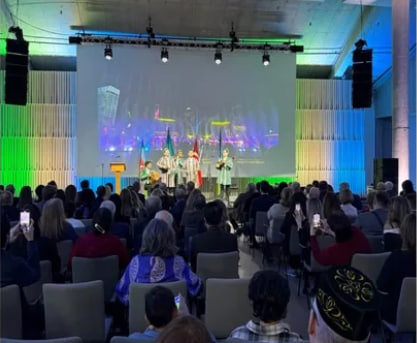
RIGA, March 18. /Dunyo IA/. The Embassy of Uzbekistan in Latvia, together with the diplomatic missions of Azerbaijan, Kazakhstan, and Turkiye, organized a cultural and educational event in Riga to celebrate the holiday of Navruz, reports Dunyo IA correspondent.
The event was attended by representatives from Latvia’s public and political spheres, the scientific and academic community, the business sector, the Uzbek Cultural Center, and fellow nationals residing in the country.
During the opening, it was emphasized that Navruz symbolizes traditional values such as kindness, generosity, creation, tolerance, friendship, and solidarity. Guests were also informed about the 43rd session of the UNESCO General Conference, which will be held this year in Samarkand.
Each participating country presented its national stands to the public. Uzbekistan’s stand showcased information about the country’s tourism potential, national costumes, embroidery, and other forms of folk arts. Traditional songs and dances were performed by artists from the "Xalqlar do’stligi" ensemble.
Additionally, the Latvian public had the opportunity to familiarize themselves with the cultures and traditions of all four countries, gaining a broader understanding of each.
As noted by the participants of the event, the joint celebration of Navruz demonstrated the high respect the participating countries have for each other and the closeness of their cultures. In their opinion, such events contribute to the closer ties between peoples.
Uzbek specialists study Latvia’s best practices in veterinary and livestock sectors
📅 10.07.2025
RIGA, July 9. /Dunyo IA/. A training seminar was held in Latvia for specialists of the Committee for Veterinary Medicine and Livestock Development and Production Center for Breeding of Uzbekistan, reports Dunyo IA correspondent.
The seminar, organized by the Embassy of Uzbekistan in Riga in cooperation with the Latvian breeding center "Siguldas", aimed to expand opportunities for livestock breeding through artificial insemination under Uzbekistan’s climatic conditions, introduce modern technologies, and study international experience in this field.
During the seminar, participants received detailed information on Latvia’s best practices in veterinary and livestock management, technologies used in insemination processes, laboratory research, genetic quality assessment, and breeding selection methods.
Following the training, specialists from both countries agreed to further cooperation, joint research, and the organization of seminars on pressing topics.
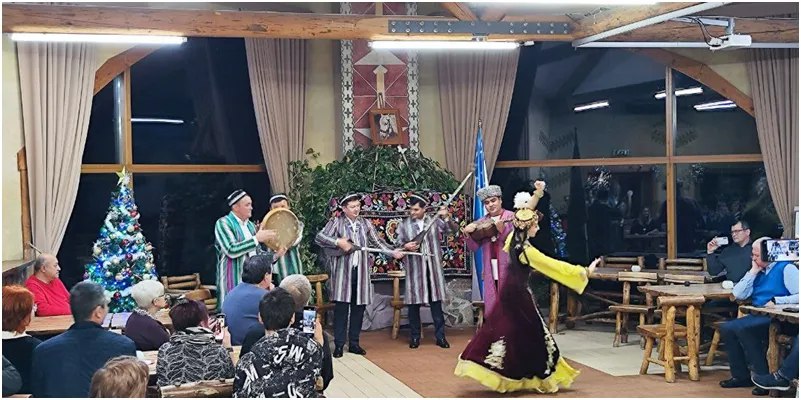
A festive evening for compatriots was organized in Estonia
📅 20.12.2024The text of the article is in Uzbek!

-
 Ministry of Foreign Affairs of the Republic of Uzbekistan
 -
 Diplomatic Service of the Ministry of Foreign Affairs
 -
 State Committee for Tourism Development
 -
Ministry of Investments and Foreign Trade of the Republic of Uzbekistan
-
 invest.gov.uz
 -
-

-

-

-

-

-

of Uzbekistan in the Republic
of Latvia
When using the information, a link to www.uzembassy.lv
must be provided.
All rights reserved
Address
Address: Riga c., LV-1010. 11-11 Elizabetes Str., Latvia
Phone: 37167322424
Fax: 37167322306
Email: embassy@uzbekistan.lv
Useful links
HomeIssuance of biometric passport for departure abroad
Certificate to return to Uzbekistan
Withdrawal of citizenship
Loss of citizenship