Phone
Consular Issues
Phone
Embassy messages
We recommend
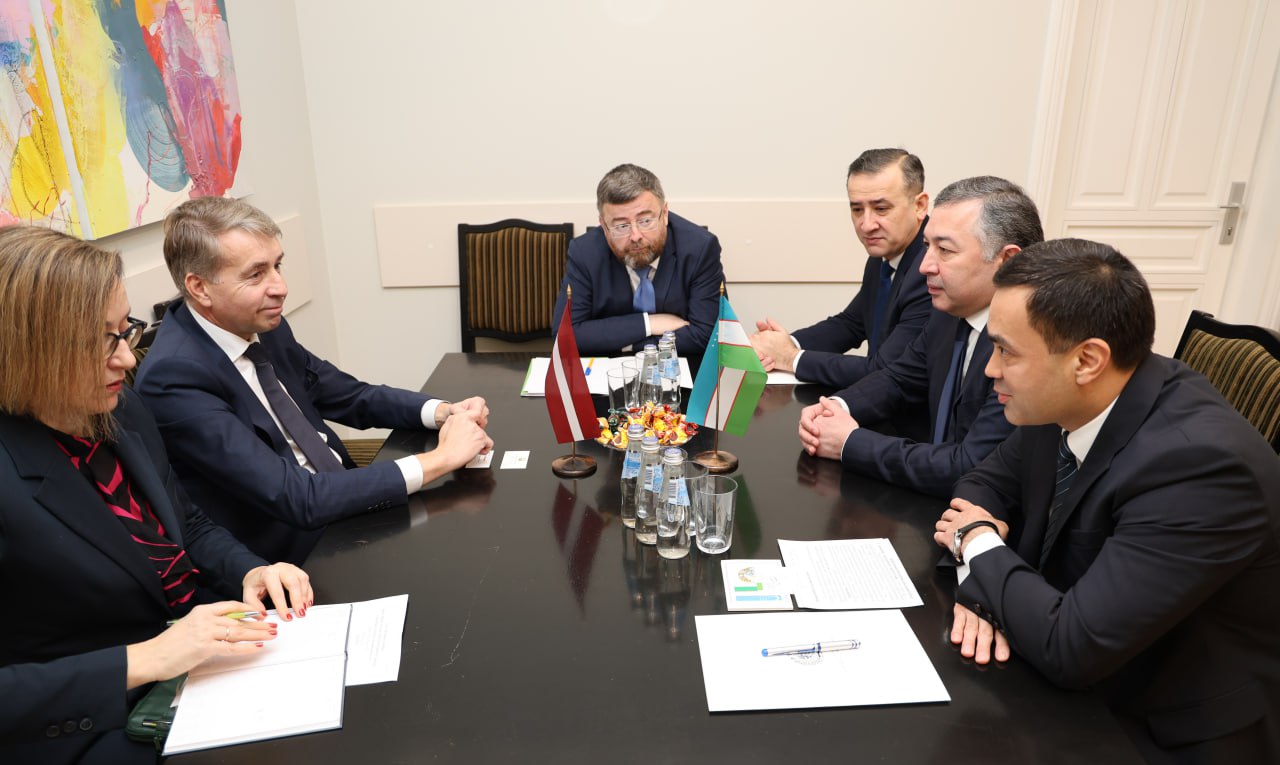
Uzbekistan and Latvia agreed to prepare a bilateral agreement on cooperation in the field of labor migration
📅 31.01.2025The text of the article is in Uzbek!
Consular Services Reception Procedure at the Embassy of Uzbekistan in Latvia
📅 12.04.2026
PROCEDURE FOR RECEIVING APPLICATIONS
Consular District:
The consular district of the Embassy of the Republic of Uzbekistan in Latvia covers the following countries: Latvia, Lithuania, Estonia, and Finland.
Accordingly, persons residing in these countries must contact the Consular Section of the Embassy of the Republic of Uzbekistan in Latvia for all consular matters.
Reception Hours:
Consular reception is held on: Monday, Tuesday, Thursday, Friday — 09:00 to 18:00 Wednesday — no reception Weekends and public holidays — closed.
Appointment Booking:
Before visiting the Embassy, you must register for an appointment in advance by selecting a convenient date and time at: https://e-navbat.mfa.uz/texnolog/usluga?id=27
A confirmation will be sent to your email address after booking. You may only visit the Embassy after receiving this confirmation. Visits without confirmation are not valid.
Contact Information:
Phone: +371 67 322306 / +371 67 322304
Email: consulate@uzbekistan.lv
Telegram: @uzembassylv
Appointment booking: https://e-navbat.mfa.uz/texnolog/usluga?id=27
IMPORTANT!
If a consular officer is busy with a reception or phone call, the system does not produce a "busy" signal — a normal ringing tone continues while the incoming call is displayed on their monitor. If your call goes unanswered, this does not mean staff are absent; they are simply attending to another applicant. Please call again after a short while. Calls are only accepted from identifiable numbers — calls from withheld numbers are not processed by the system.
When contacting by email or Telegram, please provide your full details: full name (surname, first name, patronymic); passport details; residential address in Uzbekistan and in your country of residence; contact phone number.
Without this information, the application is considered anonymous and, pursuant to Article 29 of the Law of the Republic of Uzbekistan "On the Procedure for Reviewing Applications from Individuals and Legal Entities," will not be processed.
Public Holidays of the Republic of Uzbekistan January 1 — New Year's Day March 8 — International Women's Day March 21 — Navruz May 9 — Day of Memory and Honor September 1 — Independence Day of the Republic of Uzbekistan October 1 — Teachers' and Mentors' Day December 8 — Constitution Day of the Republic of Uzbekistan Ramazan Hayit (lunar calendar) Kurban Hayit (lunar calendar)
Note: In accordance with Uzbekistan legislation, additional days off may be declared on the eve of public holidays.
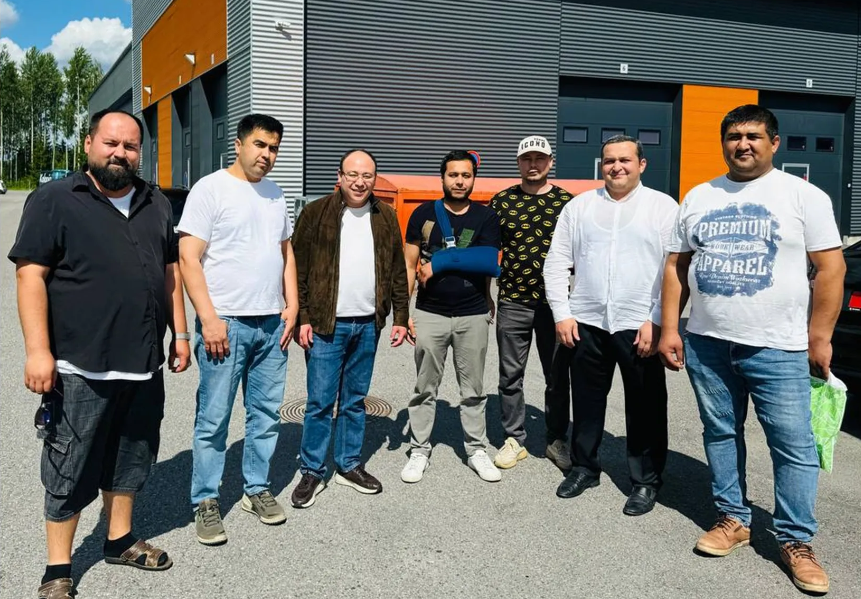
Diplomats of Uzbekistan held a visiting reception of fellow citizens living in Estonia and Finland
📅 21.06.2024
RIGA, June 21. /IA Dunyo/. The Embassy of Uzbekistan in Riga has organized a consular reception for fellow citizens living in Estonia and Finland, Dunyo news agency's correspondent reports.
Diplomats visited places of residence and labor activity of Uzbek citizens. During the reception they were given legal consultations on issues of interest to them and practical consular and legal assistance.
During the meeting with compatriots the discussion was about the reforms being implemented in Uzbekistan to organize safe and legal external labor migration, as well as the opportunities created for temporary labor activity in foreign countries.
There was a discussion on the negative consequences of illegal migration, human trafficking, falling under the influence of foreign ideas and participation in mass riots, as well as the need to comply with the legislation of the host country.
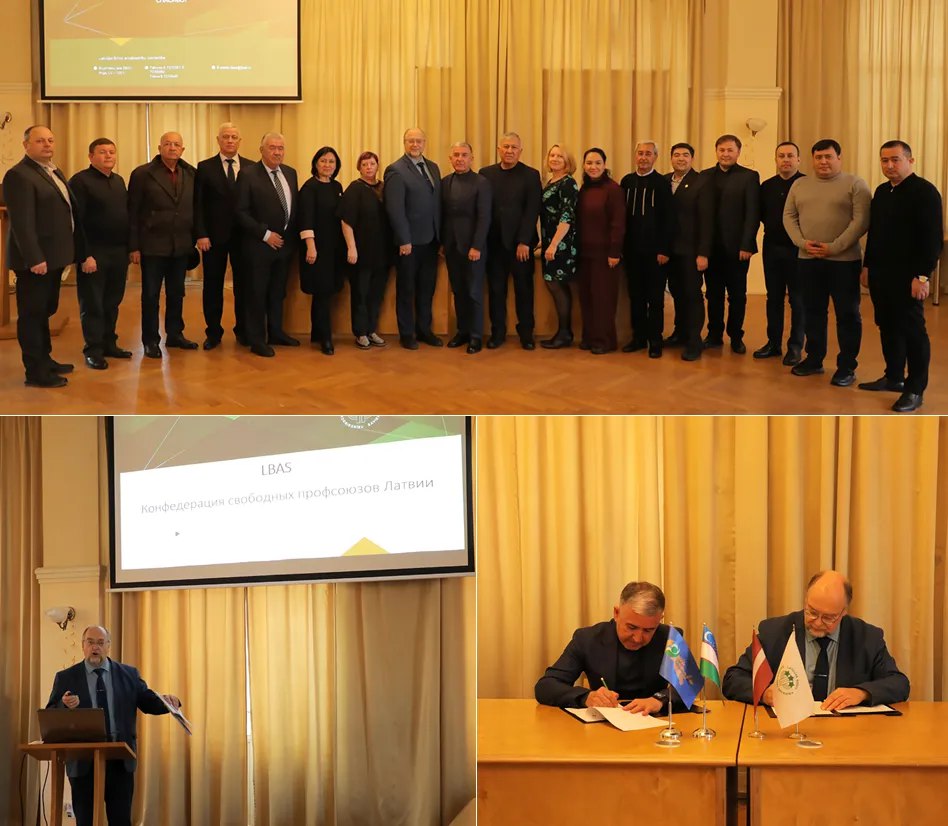
Trade union delegation of Uzbekistan discusses in Latvia issues of protecting the rights of compatriots – labor migrants
📅 28.02.2025The text of the article is in Uzbek!
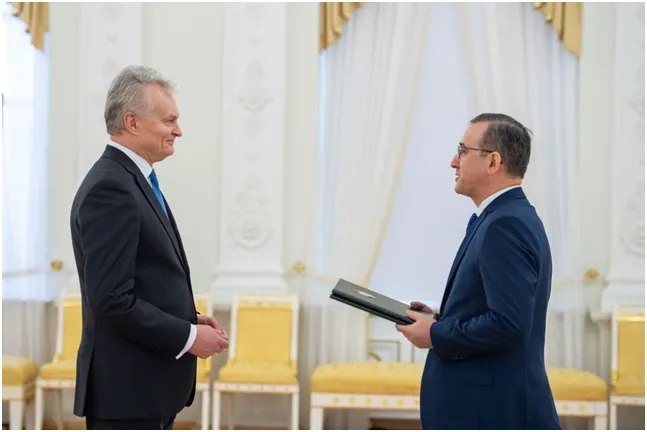
Ambassador of Uzbekistan presented his credentials to the President of Lithuania
📅 24.02.2025The text of the article is in Uzbek!
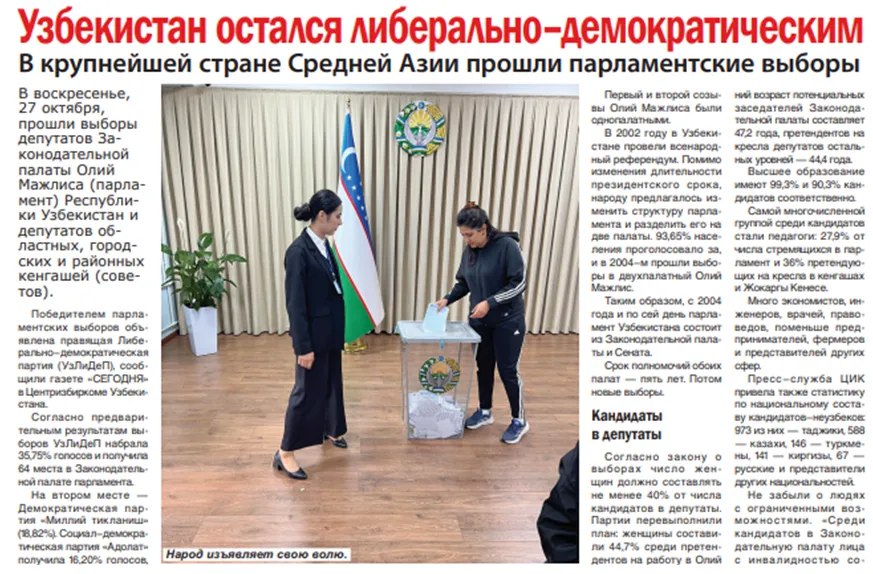
СМИ Латвии: Явка на выборах в Узбекистане составила 74,72%
📅 04.11.2024
РИГА, 3 ноября. /ИА "Дунё"/. В ведущих газете Латвии "Сегодня" и электронном информационно-аналитическом портале опубликована статья под заголовком “Узбекистан остался либерально-демократическим”, сообщает корреспондент ИА "Дунё".
В статье сообщается, что 27 октября прошли выборы депутатов Законодательной палаты Олий Мажлиса Узбекистана, победителем которых объявлена правящая Либерально–демократическая партия (УзЛиДеП).
"Согласно предварительным результатам выборов УзЛиДеП набрала 35,75% голосов и получила 64 места в Законодательной палате парламента. На втором месте — Демократическая партия «Миллий тикланиш» (18,82%). Социал–демократическая партия «Адолат» получила 16,20% голосов, Народно–демократическая партия Узбекистана (НДПУ) — 17,11%, Экологическая партия Узбекистана — 13,12%", - пишет автор.
Отмечается, что по данным ЦИК, явка на выборах составила 74,72%. За выборами наблюдали более 850 зарубежных наблюдателей, в том числе и из Латвии.
"В этом году выборы впервые прошли на основе мажоритарно–пропорциональной системы. В этой системе избирательные округа делятся на одномандатные и единый избирательный округ. 75 депутатов нижней палаты парламента избраны от одномандатных округов по мажоритарной системе, остальные 75 — по пропорциональной, то есть на основе голосов, отданных политическим партиям", - подчеркивается в статье.
Согласно информации, перейти к смешанной избирательной системе для повышения роли политических партий еще в марте предложил Президент Узбекистана Шавкат Мирзиёев, встречаясь с депутатами. После референдума о Конституции в новой редакции глава государства 8 мая подписал указ о введении мажоритарно–пропорциональной избирательной системы.
Также автор отмечает, что по сравнению с предыдущими выборами кандидаты значительно помолодели: средний возраст потенциальных депутатов Законодательной палаты составляет 47,2 года, претендентов на кресла депутатов остальных уровней — 44,4 года.
Подчеркивается, что высшее образование имеют 99,3% и 90,3% кандидатов соответственно. "Самой многочисленной группой среди кандидатов стали педагоги: 27,9% от числа стремящихся в парламент и 36% претендующих на кресла в Кенгашах и Жокаргы Кенесе. Много экономистов, инженеров, врачей, правоведов, поменьше предпринимателей, фермеров и представителей других сфер", - сообщают латвийские СМИ.
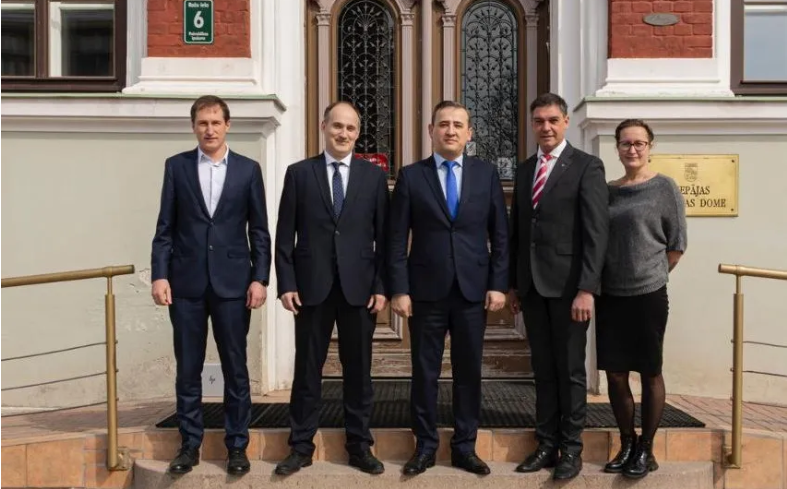
Ambassador of Uzbekistan visits the Latvian city of Liepaja
📅 04.05.2024
RIGA, May 2. /IA Dunyo/. Uzbekistan's Ambassador Timur Rakhmanov visited Liepaja city in order to study the prospects of establishing cooperation with industrialized regions of Latvia, Dunyo news agency's correspondent reported.
The program of his stay in the important industrial and port city included holding talks with the Liepaja administration, visiting the Liepaja Special Economic Zone (LSEZ), organizing a meeting with top managers of iCotton, a company specializing in deep processing of cotton and production of hygiene and cosmetology products, and acquaintance with the port infrastructure of the city.
Mayor Gunnar Ansins praised the reforms carried out in Uzbekistan, the conditions created in our country for foreign investors and the measures taken to support domestic producers.
The sides expressed interest in further boosting interaction in trade-economic, cultural-humanitarian, educational and other spheres.
Readiness to promote cooperation between the entrepreneurs of the two countries, including in the context of specific regions, was noted.
As a result of the visit, the schedule of forthcoming joint events was agreed upon, the organization of a business forum in Liepaja with the participation of representatives of Surkhandarya and Khorezm regions was started.
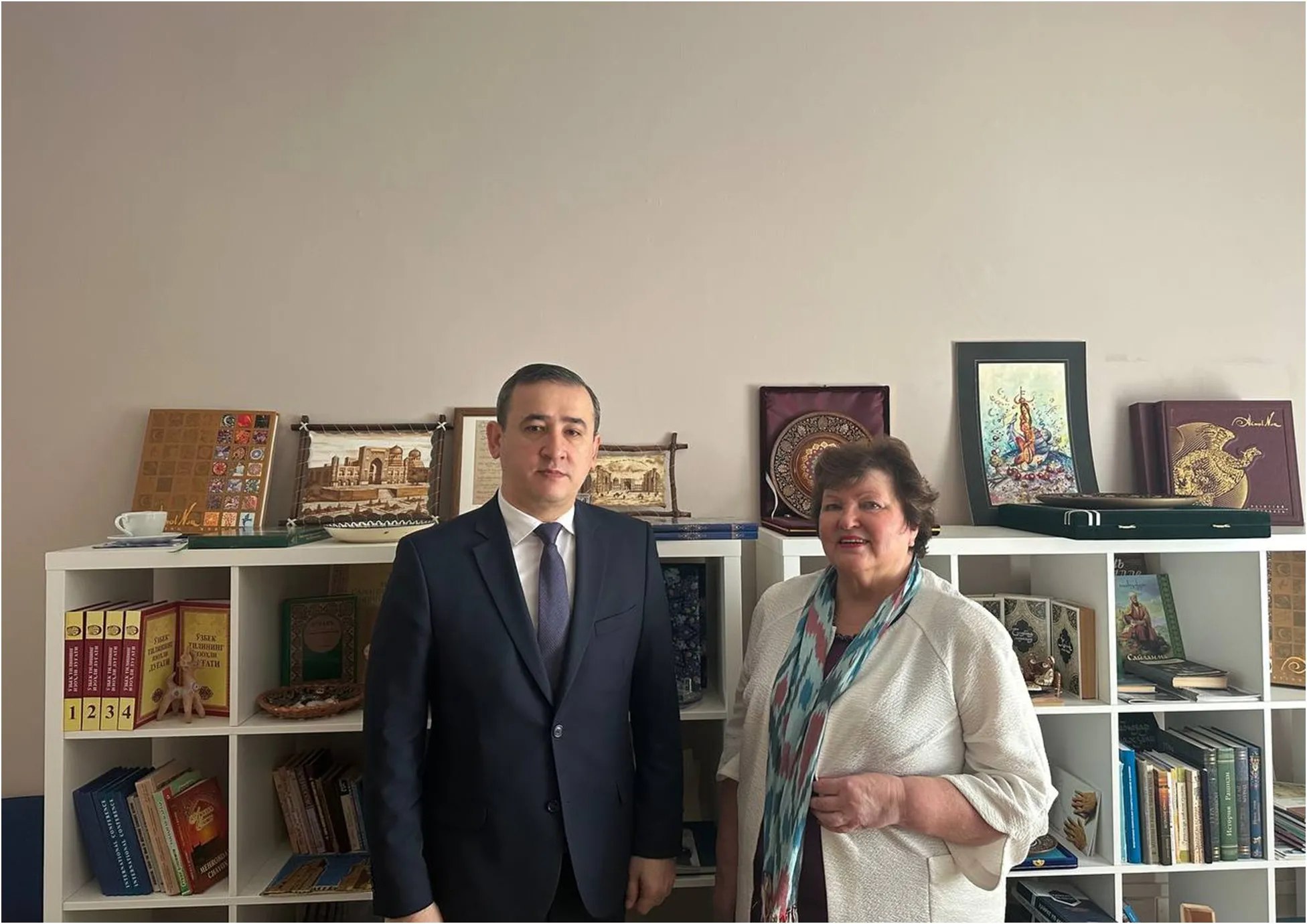
Latvian University Library is ready to establish experience exchange with libraries in Uzbekistan
📅 07.05.2024
RIGA, May 7. /IA "Dunyo"/. Ambassador Timur Rakhmanov met with the director of the academic library of the University of Latvia, Venta Koster, Dunyo news agency's correspondent reports.
During the meeting they discussed the development of cooperation between the libraries of the two countries, including the exchange of experience in this field, as well as the organization of exchanges between experts.
The director of the library of the Latvian university highly appreciated the reforms carried out in the field of science and culture in our country, and expressed interest in developing relations with the Alisher Navoi National Library, holding an exhibition dedicated to Uzbekistan on the basis of the library. It was emphasized that this exhibition will give an opportunity to Riga public and guests of the city to get acquainted with the reforms carried out in the sphere of culture, science and tourism in our country.
Following the talks, the sides agreed to sign a cooperation agreement between libraries of Uzbekistan and Latvia, develop a program of joint activities for 2024-2025, as well as organize an exhibition of famous Uzbek artist and craftsman Anorkul Boibekov in Riga in June.
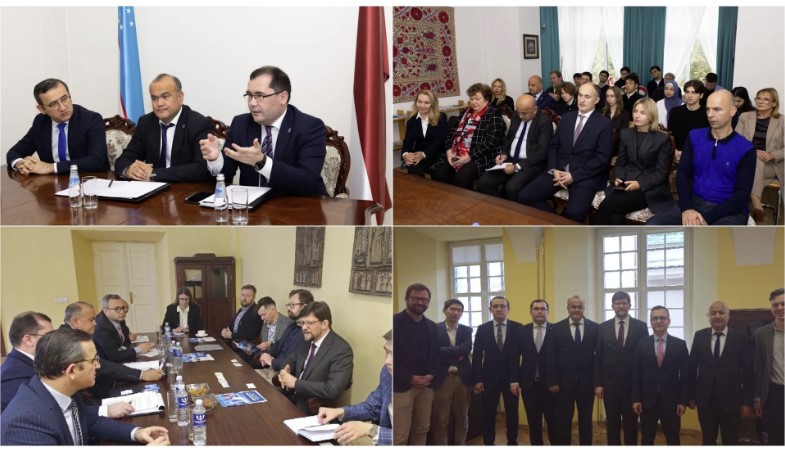
В Латвии и Литве обсуждаются ключевые аспекты предстоящих парламентских выборов в Узбекистане
📅 21.10.2024
РИГА, 14 октября. /ИА "Дунё"/. Делегация Узбекистана во главе с председателем Комитета по промышленности, строительству и торговле Законодательной палаты Олий Мажлиса Нодиром Джумаевым посещает Латвию и Литву, сообщает корреспондент ИА "Дунё".
В ходе визита делегация приняла участие в работе "круглых столов" в Вильнюсском университете Литвы, Сейме Латвии и Посольства Узбекистана в Риге.
В мероприятиях участвовали депутаты, представители научных, общественных кругов, СМИ и наблюдатели, которые примут участие в мониторинге за проведением предстоящих парламентских выборов в Узбекистане.
Члены узбекской делегации рассказали участникам конференции о реформах, реализуемых в Узбекистане во всех сферах, политических партиях, правовой основе и особенностях избирательного процесса в нашей стране.
Была предоставлена информация об условиях, созданных для участия в выборах граждан Узбекистана и студентов, проживающих за рубежом. Представители Литвы и Латвии высоко оценили результаты реформ, реализуемых в нашей стране, и выразили заинтересованность стран Балтии в развитии сотрудничества с Узбекистаном.
В частности, ректор Вильнюсского университета Римвидас Петраускас заявил, что сегодня Узбекистан становится ведущей страной региона. Открытая внешняя политика, проводимая Президентом республики, превратила страну в локомотив развития мира и стабильности в Центральной Азии.
Депутат Сейма Латвии, руководитель межпарламентской группы дружбы с Узбекистаном Андрис Кульбергс высоко оценил введение нового порядка проведения выборов в Законодательную палату Республики Узбекистан на основе смешанной избирательной системы. По его словам, реализуемые в Узбекистане политические и экономические реформы служат дальнейшему развитию страны и одновременно повышают привлекательность для бизнесменов и инвесторов стран ЕС, в том числе Латвии.
По мнению директора Института международных отношений Латвии Карлиса Буковскиса, сегодня Узбекистан является главным партнером Риги в Центральной Азии. Учитывая события, происходящие в мире, развитие сотрудничества между Узбекистаном и европейскими странами в экономическом, экологическом, энергетическом, транспортно-логистическом направлениях становится актуальным. В этой связи латвийская сторона отметила, что заинтересована в активизации взаимодействия во всех сферах.
Руководитель Института экономики Латвийской академии наук Нина Линде отметила, что Латвия приветствует большое внимание, уделяемое гендерному равенству в Узбекистане. По ее мнению, увеличение количества женщин среди депутатов Олий Мажлиса является важным шагом в развитии государства.
Представители исследовательских центров Литвы и Латвии выразили заинтересованность в укреплении сотрудничества и обмена опытом с Центром «Стратегия развития» Узбекистана и другими профильными организациями.
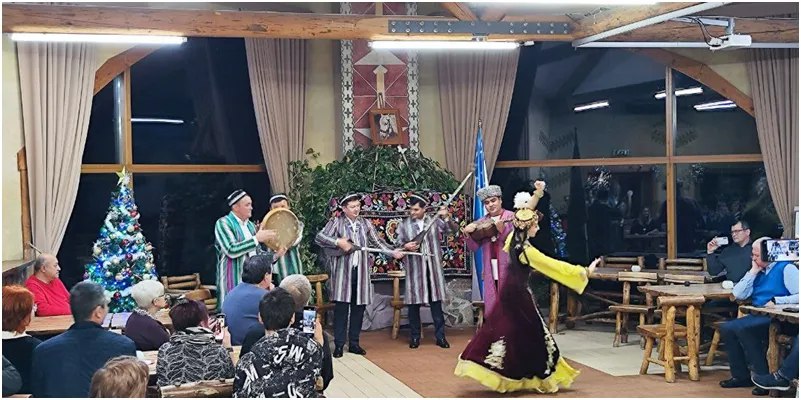
A festive evening for compatriots was organized in Estonia
📅 20.12.2024The text of the article is in Uzbek!
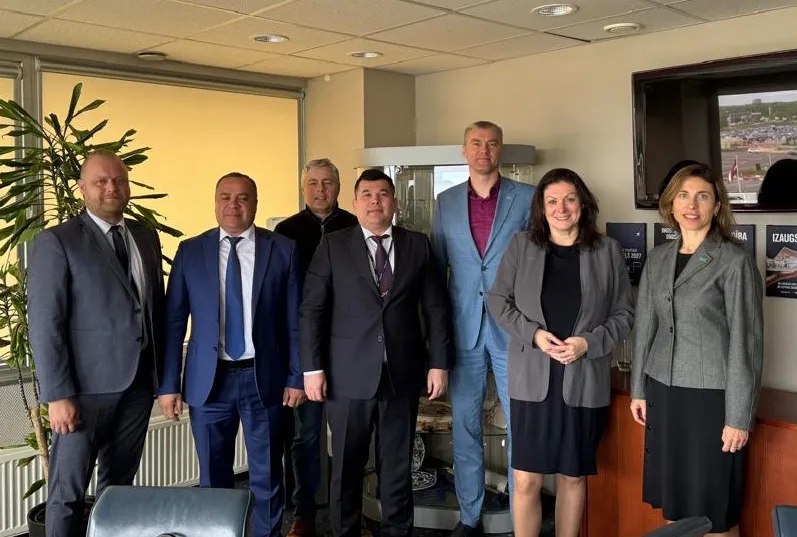
A new air cargo bridge will open between Uzbekistan and Latvia in summer
📅 21.05.2024
RIGA, May 21. /IA "Dunyo". The first cargo flight between Uzbekistan and Latvia is planned to be launched in late June - early July, Dunyo news agency's correspondent reports.
According to the Embassy of Uzbekistan, a delegation of Uzbekistan's Fly Khiva airline headed by Director General Dilshod Khodjaev has organized a visit to Latvia within the framework of increasing exports to the EU countries.
Meetings were held in relevant ministries and agencies, as well as with the management of the Department of International Air Cargo Transportation of Riga Airport, during which the Latvian side expressed interest in establishing cargo traffic between the countries.
The parties started jointly working out the issue of establishing international air cargo transportation on the route Uzbekistan - Latvia with expansion to other major cities of the Baltic States.
The new air corridor will be actively used for export of fruit and vegetables, textile and other products from Uzbekistan to Latvia and other EU countries.

At the end of May, an Uzbek trading house will open in the Lithuanian city of Klaipeda
📅 10.05.2024
KLAIPEDA, May 10. /IA Dunyo/. During a business trip to Lithuania, a delegation of the Chamber of Commerce and Industry of Uzbekistan met with the head of BEGA company Laimonas Rimkus in Klaipeda, Dunyo news agency's correspondent reported.
BEGA, founded in 1992, is one of the largest modern stevedoring companies in the Baltic States, providing services in transportation, loading and unloading of cargoes, as well as temporary storage services.
Laimonas Rimkus expressed an opinion that today Uzbekistan's economy is dynamically developing, producing competitive national products that meet world standards.
- Taking into account the growing volumes of Uzbekistan's exports to European countries, Lithuanian companies show great interest in developing relations with Uzbek businessmen. The volume of export of Uzbek products to the EU countries through Latvia and Lithuania is also increasing," he noted.
It was noted that BEGA has created all necessary port infrastructure, has modern automated technologies for transportation and collection of chemical, food industry, construction materials, agricultural products and other cargoes. In addition, the enterprise is connected to the railroad and has the ability to serve all types of transport coming from Uzbekistan in a short period of time.
The parties discussed mutual procedures and legal aspects of leasing the company's warehouses and a building for the Trade House of Uzbekistan to be established in Lithuania.
The sides reached an agreement on holding the official opening ceremony of Uzbekistan Trade House in Klaipeda on May 24-27.

-
 Ministry of Foreign Affairs of the Republic of Uzbekistan
 -
 Diplomatic Service of the Ministry of Foreign Affairs
 -
 State Committee for Tourism Development
 -
Ministry of Investments and Foreign Trade of the Republic of Uzbekistan
-
 invest.gov.uz
 -
-

-

-

-

-

-


of Uzbekistan in the Republic
of Latvia
When using the information, a link to www.uzembassy.lv
must be provided.
All rights reserved
Address
Address: Riga c., LV-1010. 11-11 Elizabetes Str., Latvia
Phone: 37167322424
Fax: 37167322306
Email: embassy@uzbekistan.lv
Useful links
HomeIssuance of biometric passport for departure abroad
Certificate to return to Uzbekistan
Withdrawal of citizenship
Loss of citizenship