Phone
Consular Issues
Phone
Embassy messages
We recommend
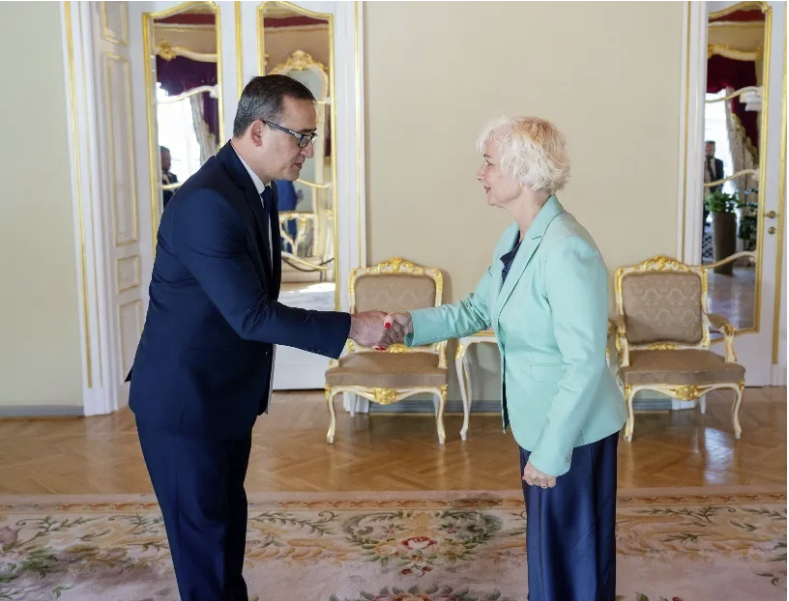
Uzbek ambassador meets Latvian Saeima speaker to discuss prospects for boosting inter-parliamentary cooperation
📅 01.07.2024The text of the article is in Uzbek
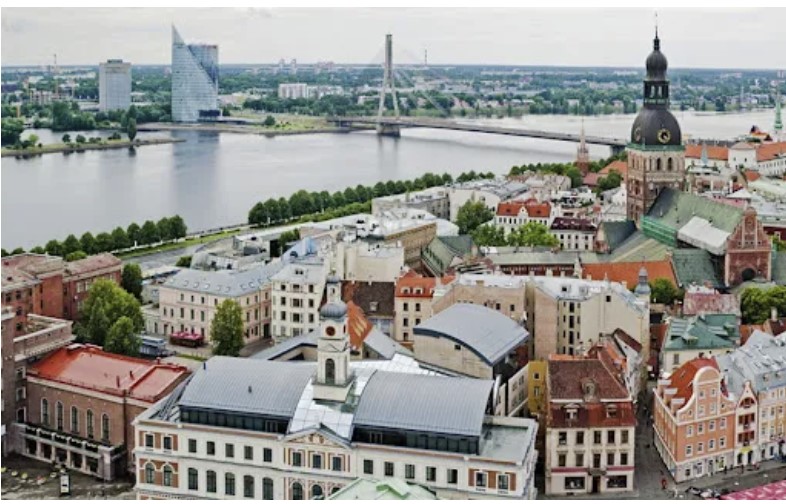
Issues related to the development of cooperation between Uzbekistan and Latvia in the field of combating crime discussed in Riga
📅 02.10.2024
RIGA, September 30. /IA “Dunyo”/. Uzbek Ambassador Timur Rakhmanov has met with Latvian Interior Minister Rihards Kozlovskis, Dunyo news agency's correspondent reported.
At the meeting, the sides discussed issues of developing cooperation between Uzbekistan and Latvia in combating various crimes.
The Latvian side was provided with information about the reforms carried out in Uzbekistan in the field of policing, as well as the attention paid to compatriots abroad.
The Latvian minister expressed interest in expanding cooperation between the two countries' Interior Ministries in such areas as expertise, youth crime prevention, combating IT and economic crimes.
An agreement was reached between the Embassy and the Latvian Ministry of Internal Affairs to facilitate the exchange of information on criminal cases of our country's citizens who have violated Latvian laws.
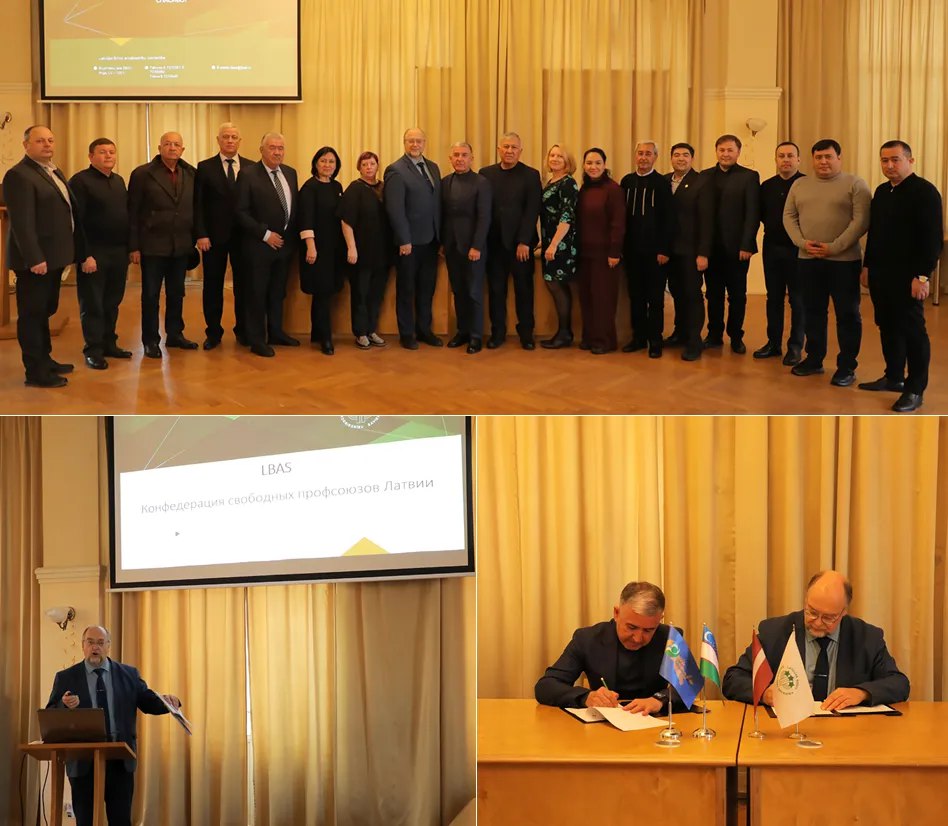
Trade union delegation of Uzbekistan discusses in Latvia issues of protecting the rights of compatriots – labor migrants
📅 28.02.2025The text of the article is in Uzbek!
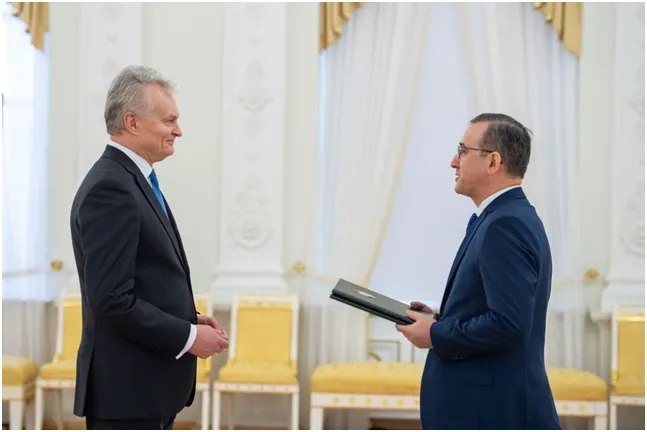
Ambassador of Uzbekistan presented his credentials to the President of Lithuania
📅 24.02.2025The text of the article is in Uzbek!
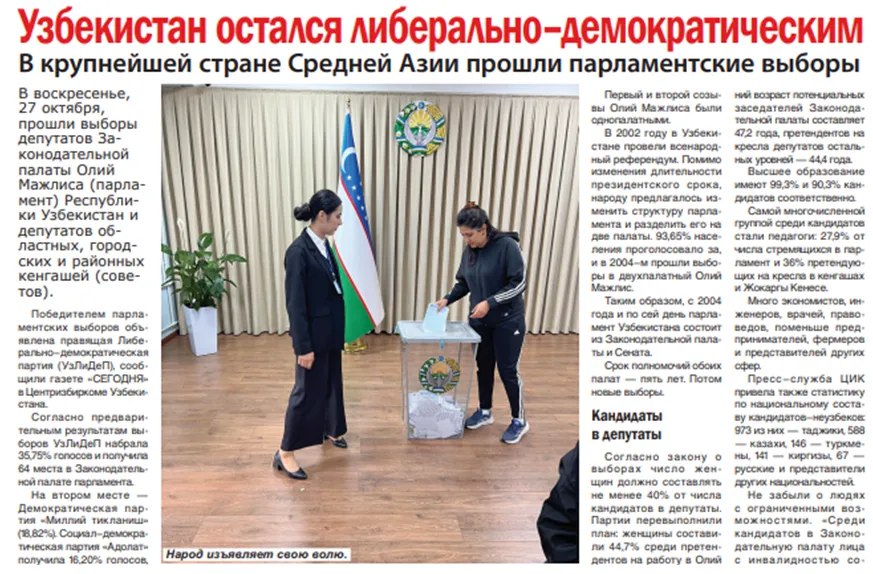
СМИ Латвии: Явка на выборах в Узбекистане составила 74,72%
📅 04.11.2024
РИГА, 3 ноября. /ИА "Дунё"/. В ведущих газете Латвии "Сегодня" и электронном информационно-аналитическом портале опубликована статья под заголовком “Узбекистан остался либерально-демократическим”, сообщает корреспондент ИА "Дунё".
В статье сообщается, что 27 октября прошли выборы депутатов Законодательной палаты Олий Мажлиса Узбекистана, победителем которых объявлена правящая Либерально–демократическая партия (УзЛиДеП).
"Согласно предварительным результатам выборов УзЛиДеП набрала 35,75% голосов и получила 64 места в Законодательной палате парламента. На втором месте — Демократическая партия «Миллий тикланиш» (18,82%). Социал–демократическая партия «Адолат» получила 16,20% голосов, Народно–демократическая партия Узбекистана (НДПУ) — 17,11%, Экологическая партия Узбекистана — 13,12%", - пишет автор.
Отмечается, что по данным ЦИК, явка на выборах составила 74,72%. За выборами наблюдали более 850 зарубежных наблюдателей, в том числе и из Латвии.
"В этом году выборы впервые прошли на основе мажоритарно–пропорциональной системы. В этой системе избирательные округа делятся на одномандатные и единый избирательный округ. 75 депутатов нижней палаты парламента избраны от одномандатных округов по мажоритарной системе, остальные 75 — по пропорциональной, то есть на основе голосов, отданных политическим партиям", - подчеркивается в статье.
Согласно информации, перейти к смешанной избирательной системе для повышения роли политических партий еще в марте предложил Президент Узбекистана Шавкат Мирзиёев, встречаясь с депутатами. После референдума о Конституции в новой редакции глава государства 8 мая подписал указ о введении мажоритарно–пропорциональной избирательной системы.
Также автор отмечает, что по сравнению с предыдущими выборами кандидаты значительно помолодели: средний возраст потенциальных депутатов Законодательной палаты составляет 47,2 года, претендентов на кресла депутатов остальных уровней — 44,4 года.
Подчеркивается, что высшее образование имеют 99,3% и 90,3% кандидатов соответственно. "Самой многочисленной группой среди кандидатов стали педагоги: 27,9% от числа стремящихся в парламент и 36% претендующих на кресла в Кенгашах и Жокаргы Кенесе. Много экономистов, инженеров, врачей, правоведов, поменьше предпринимателей, фермеров и представителей других сфер", - сообщают латвийские СМИ.
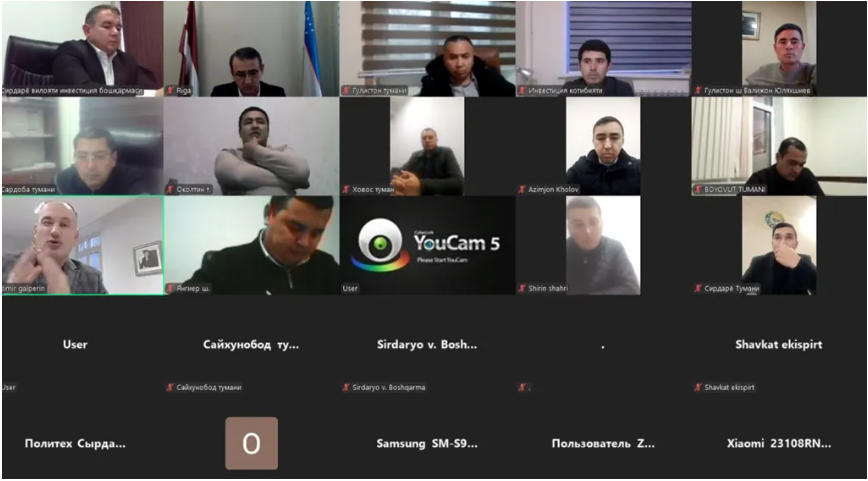
Торговый дом Узбекистана в Латвии провел онлайн-тренинг для хокимов и экспортеров Сырдарьинской области
📅 29.12.2024РИГА, 28 декабря. /ИА «Дунё»/. Глава Торгового дома Узбекистана в Риге и почетный консул нашей страны в Латвии Владимир Гальперин организовало в онлайн-формате «круглый стол» и семинар-тренинг на тему «Экспорт в Европу» для хокимов районов и экспортеров Сырдарьинской области, передаёт корреспондент ИА «Дунё».
В ходе мероприятия были подробно обсуждены нормативно-техническое регулирование и другие требования к экспорту узбекской продукции в страны Европы, поиску надежных партнеров, заключению контрактов, использованию возможностей торговых домов Узбекистана.
Кроме того, эксперт предоставил подробную информацию о требованиях и условиях, связанных с экспортом сельскохозяйственной продукции в Европу, стандартах упаковки пищевых продуктов, технологиях переработки и производства напитков. Участники были проинформированы о видах узбекской продукции, в которой заинтересованы латвийские, литовские и эстонские импортеры, а также о размерах этих рынков.
Мероприятие вызвало активный интерес участников к складам в Прибалтике и их аренде, а также таможенному оформлению и последующей доставке в другие страны Европы. На все вопросы были даны подробные ответы и достигнута договоренность между хокимиятами и Торговым домом Узбекистана о совместной работе по увеличению объемов экспорта из Сырдарьи на европейские рынки.
The Ministry of Foreign Affairs of the Republic of Uzbekistan has launched the “Consular Services” mobile application
📅 09.06.2026The Ministry of Foreign Affairs of the Republic of Uzbekistan has launched the “Consular Services” mobile application.
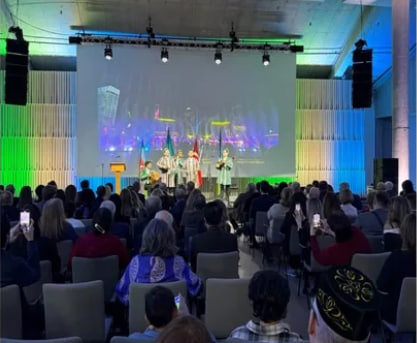
A holiday of unity: Navruz celebration connects nations in Riga
📅 23.03.2025
RIGA, March 18. /Dunyo IA/. The Embassy of Uzbekistan in Latvia, together with the diplomatic missions of Azerbaijan, Kazakhstan, and Turkiye, organized a cultural and educational event in Riga to celebrate the holiday of Navruz, reports Dunyo IA correspondent.
The event was attended by representatives from Latvia’s public and political spheres, the scientific and academic community, the business sector, the Uzbek Cultural Center, and fellow nationals residing in the country.
During the opening, it was emphasized that Navruz symbolizes traditional values such as kindness, generosity, creation, tolerance, friendship, and solidarity. Guests were also informed about the 43rd session of the UNESCO General Conference, which will be held this year in Samarkand.
Each participating country presented its national stands to the public. Uzbekistan’s stand showcased information about the country’s tourism potential, national costumes, embroidery, and other forms of folk arts. Traditional songs and dances were performed by artists from the "Xalqlar do’stligi" ensemble.
Additionally, the Latvian public had the opportunity to familiarize themselves with the cultures and traditions of all four countries, gaining a broader understanding of each.
As noted by the participants of the event, the joint celebration of Navruz demonstrated the high respect the participating countries have for each other and the closeness of their cultures. In their opinion, such events contribute to the closer ties between peoples.
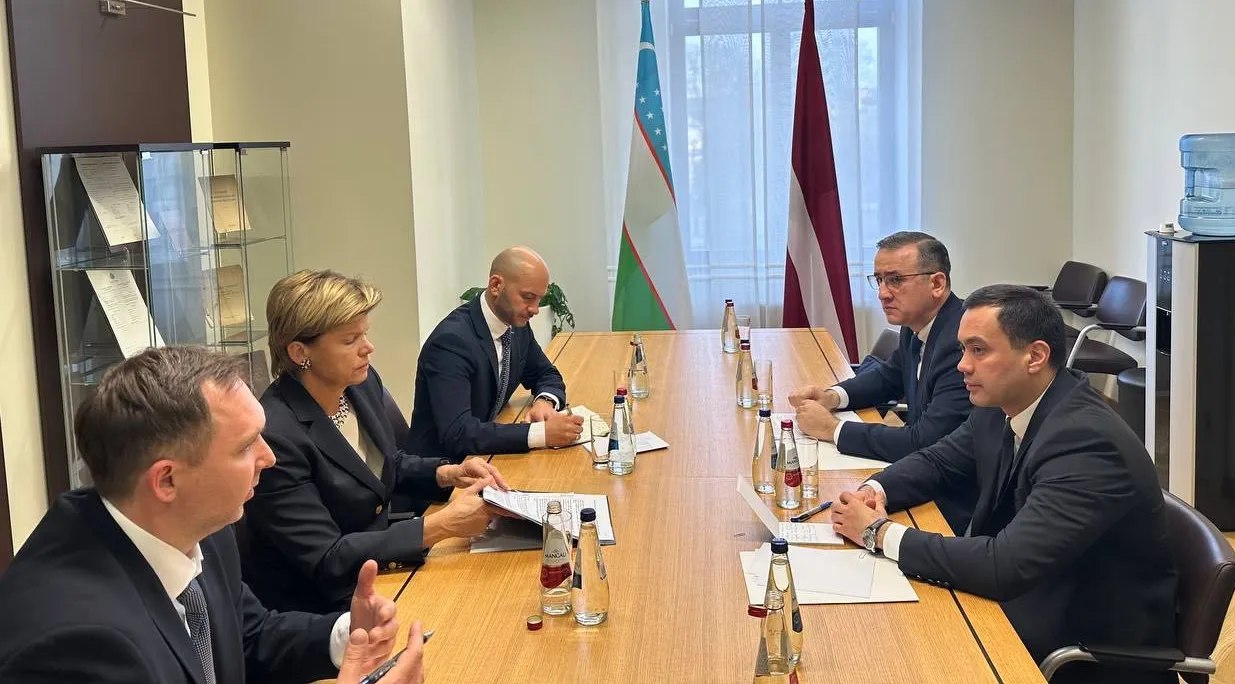
Uzbekistan and Latvia ready for permanent dialogue in the field of labor migration
📅 31.01.2025The text of the article is in Uzbek!
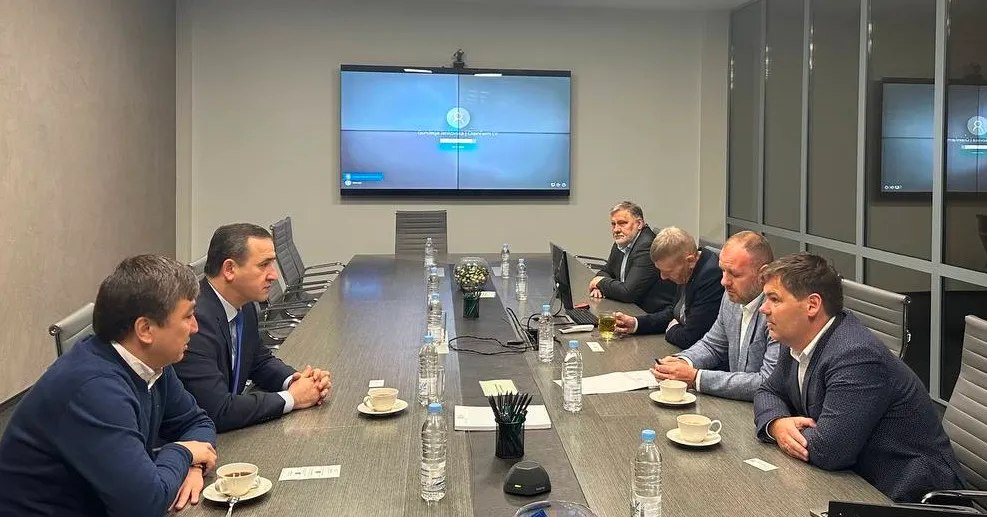
Latvia's largest pharmaceutical company plans to manufacture its products in Uzbekistan
📅 12.05.2024
RIGA, May 11. /IA Dunyo/. Ambassador of Uzbekistan Timur Rakhmanov together with Deputy Chairman of the Chamber of Commerce and Industry of Uzbekistan Dilshod Rasulov yesterday met with member of the Board of Directors - head of sales office in Central Asia of the largest Latvian pharmaceutical company "Olainfarm" Alexander Melnis, Dunyo news agency's correspondent reported.
At the meeting, the sides discussed issues of investment and technological cooperation between Uzbekistan and Olainfarm and prospects of establishing joint production cooperation with deepening the level of localization.
Alexander Melnis positively assessed the progressive reforms in the healthcare sector in Uzbekistan under the leadership of President Shavkat Mirziyoyev, which has contributed to the development of cooperation between the companies of the two countries in recent years. It was emphasized that Riga is confidently optimistic about the prospects of expanding Olainfarm's long-term presence in Uzbekistan by increasing investment and technological cooperation.
As Alexander Melnis informed, Olainfarm is working on the realization of an investment project to establish production of a wide range of high-quality ampouled products in Uzbekistan.
Olainfarm was founded in 1972 in the Latvian town of Olaina. It is the largest pharmaceutical company in the Baltic States. The company's turnover exceeds 124 million euros. The product range includes 60 finished dosage forms, 25 active pharmaceutical substances and more than 20 intermediates. The company's products are exported to 60 countries. Since 2011, it has been supplying the World Health Organization (WHO) with anti-tuberculosis drugs.
The visit of the Ferghana Oblast delegation to Latvia was fruitful
📅 29.04.2024
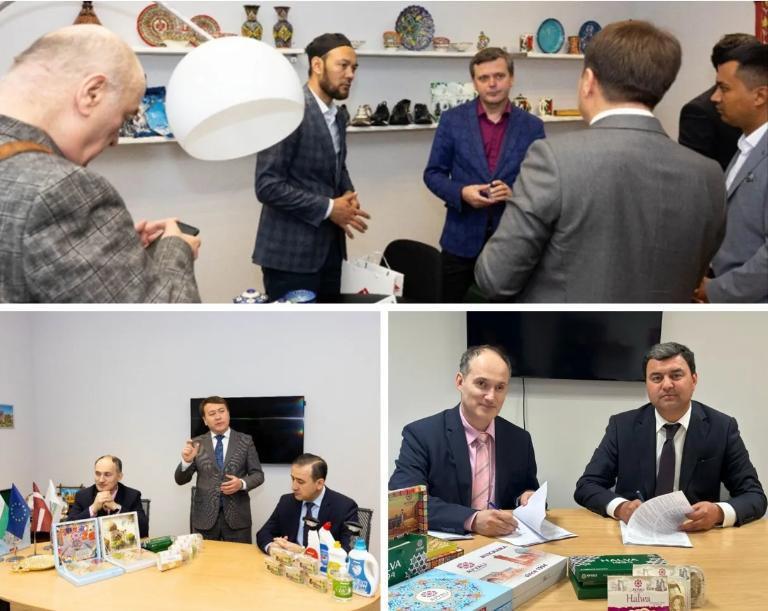
RIGA, April 29. /IA "Dunyo"/. A delegation of Uzbekistan headed by Deputy Khokim of Fergana region Nuriddin Mamajanov visited Latvia, Dunyo news agency's correspondent reported. Within the framework of the visit, the sides held talks on further development of trade and economic relations, increasing exports of national products and attracting direct investments in our country's economy.
In particular, during the meeting with Riga Deputy Mayor Linda Ozola the prospects of developing relations in trade-economic, investment, tourism, educational and cultural spheres were discussed, as well as an agreement was reached on participation of Fergana region representatives in cultural events to be held in Riga.
The delegation also held talks with Edgars Suna, Deputy Director of the Freeport of Riga (FPR). During the event, the sides discussed the issue of increasing exports of Uzbek products to Latvia and other EU countries, including active utilization of the port's terminal infrastructure. The issues of purchasing or renting warehouses in the territory of the REP by Uzbek entrepreneurs, granting them privileges and preferences were discussed. In turn, Edgars Suna said that the port management is ready to help in this matter. An agreement was reached to sign a memorandum on mutual cooperation between the parties in a short period of time.
Within the framework of the delegation's stay at the Uzbek Trade House in Riga, a B2B meeting between businessmen of the two countries was held. At this event, information about investment and export potential of Uzbekistan, including Fergana region, was presented. As a result of meetings and negotiations, agreements were reached on supplying agricultural products, household chemicals, confectionery and textile products to the Latvian market, and export contracts worth 25 million US dollars were signed.
At the same time, the opening ceremony of the exhibition hall of Fergana region in the Uzbek Trade House was held within the framework of the event.
Members of the delegation also held a meeting in Latvian company "KGS Group" and discussed the establishment of agro-logistic complex in Fergana region. The Latvian side expressed interest in the implementation of this project and readiness to invest 10 million dollars in it.
Translated with DeepL.com (free version)
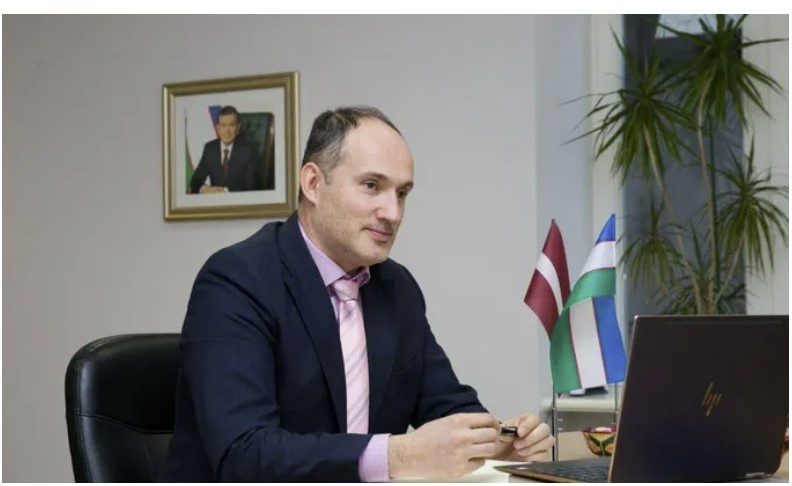
Uzbek exporters familiarized with requirements for import of Uzbek products to Latvian and European markets
📅 02.10.2024
RIGA, September 21. /IA Dunyo/. The Embassy of Uzbekistan together with the Plant Protection Agency organized an online seminar-training on the topic “Export to Europe” with the participation of the head of the Uzbek Trade House in Latvia, Honorary Consul Vladimir Galperin, Dunyo news agency's correspondent reports.
The event was devoted to disclosure of peculiarities of normative and technical regulation and other specific requirements for export of locally produced products to Latvian and European markets.
Latvian expert provided detailed information on requirements and conditions related to export of agricultural products to Europe, certification, food packaging standards, processing technologies, beverage production, licensing of production technologies.
It is worth noting that 50 Uzbek exporters participated in the training seminar.

-
 Ministry of Foreign Affairs of the Republic of Uzbekistan
 -
 Diplomatic Service of the Ministry of Foreign Affairs
 -
 State Committee for Tourism Development
 -
Ministry of Investments and Foreign Trade of the Republic of Uzbekistan
-
 invest.gov.uz
 -
-

-

-

-

-

-

of Uzbekistan in the Republic
of Latvia
When using the information, a link to www.uzembassy.lv
must be provided.
All rights reserved
Address
Address: Riga c., LV-1010. 11-11 Elizabetes Str., Latvia
Phone: 37167322424
Fax: 37167322306
Email: embassy@uzbekistan.lv
Useful links
HomeIssuance of biometric passport for departure abroad
Certificate to return to Uzbekistan
Withdrawal of citizenship
Loss of citizenship