Phone
Consular Issues
Phone
Embassy messages
We recommend
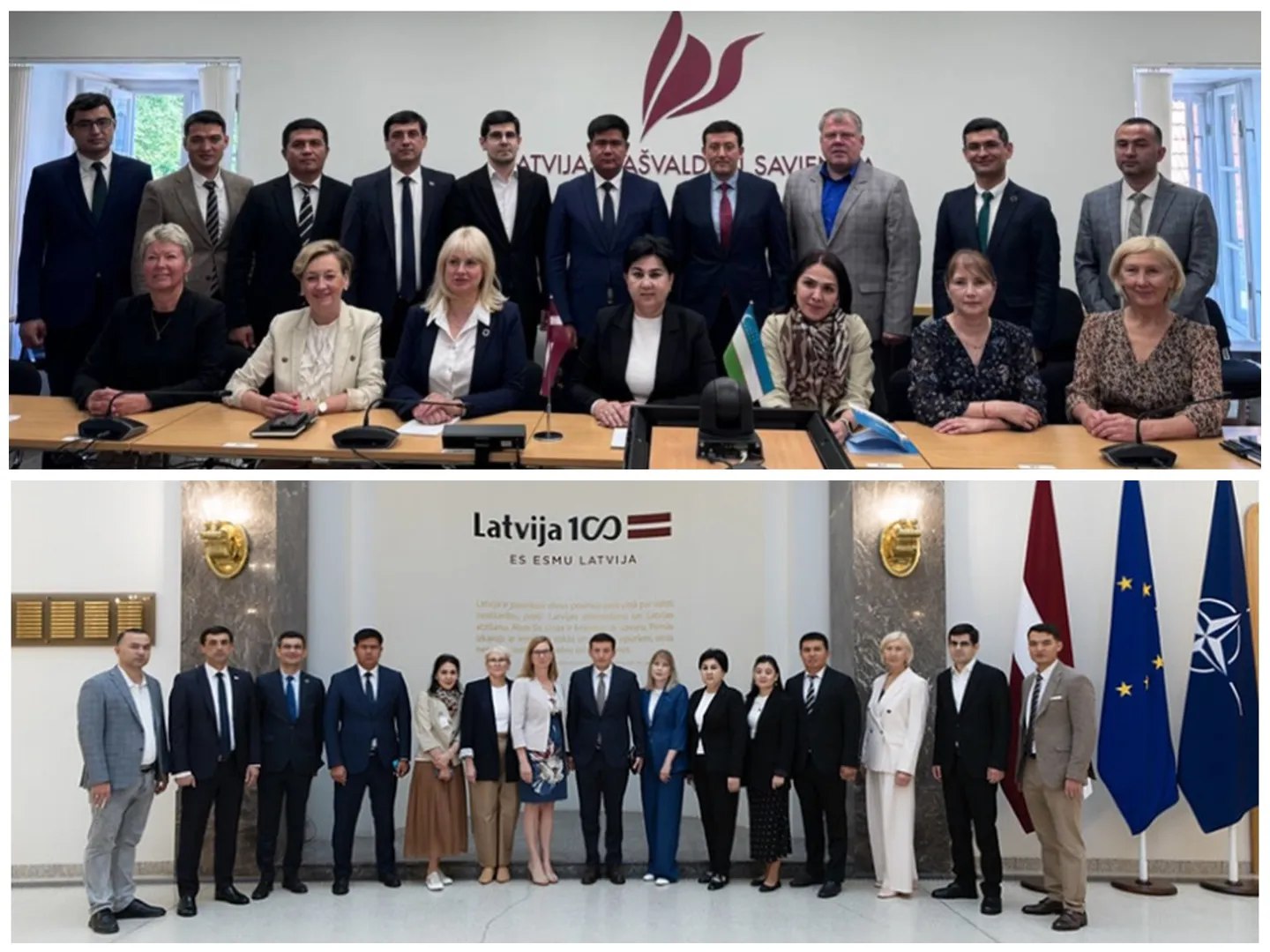
Climate change adaptation issues discussed in Riga
📅 14.06.2024
RIGA, June 14. /IA Dunyo/. A delegation from Uzbekistan headed by Bobur Bekmurodov, chairman of the national movement "Yuksalish", visited Riga within the framework of the grant project "Planning a sustainable policy of mitigation and adaptation to climate change in Uzbekistan", Dunyo news agency reported.
During the visit, a number of meetings and negotiations were held with the leaders of the Latvian Association of Local Governments, the Ministry of Climate and Energy and authorities of major cities.
During them, the sides exchanged views on improving the planning of sustainable climate change mitigation and adaptation policies, capacity building of decision makers, local public authorities, representatives of civil society institutions, integrated climate change management and disaster reduction.
The issues of developing climate change action plans, supporting the integration of gender equality in the protection of women and children from climate change, raising public awareness of the socio-economic impacts of climate change and helping to ensure their participation in decision-making in this area were discussed.
As a result of the meetings, it was decided to continue the process of exchange of experience between experts in this field of the two countries. In addition, an agreement was reached to organize a visit to Uzbekistan by a Latvian delegation consisting of representatives of state and public organizations in this field.
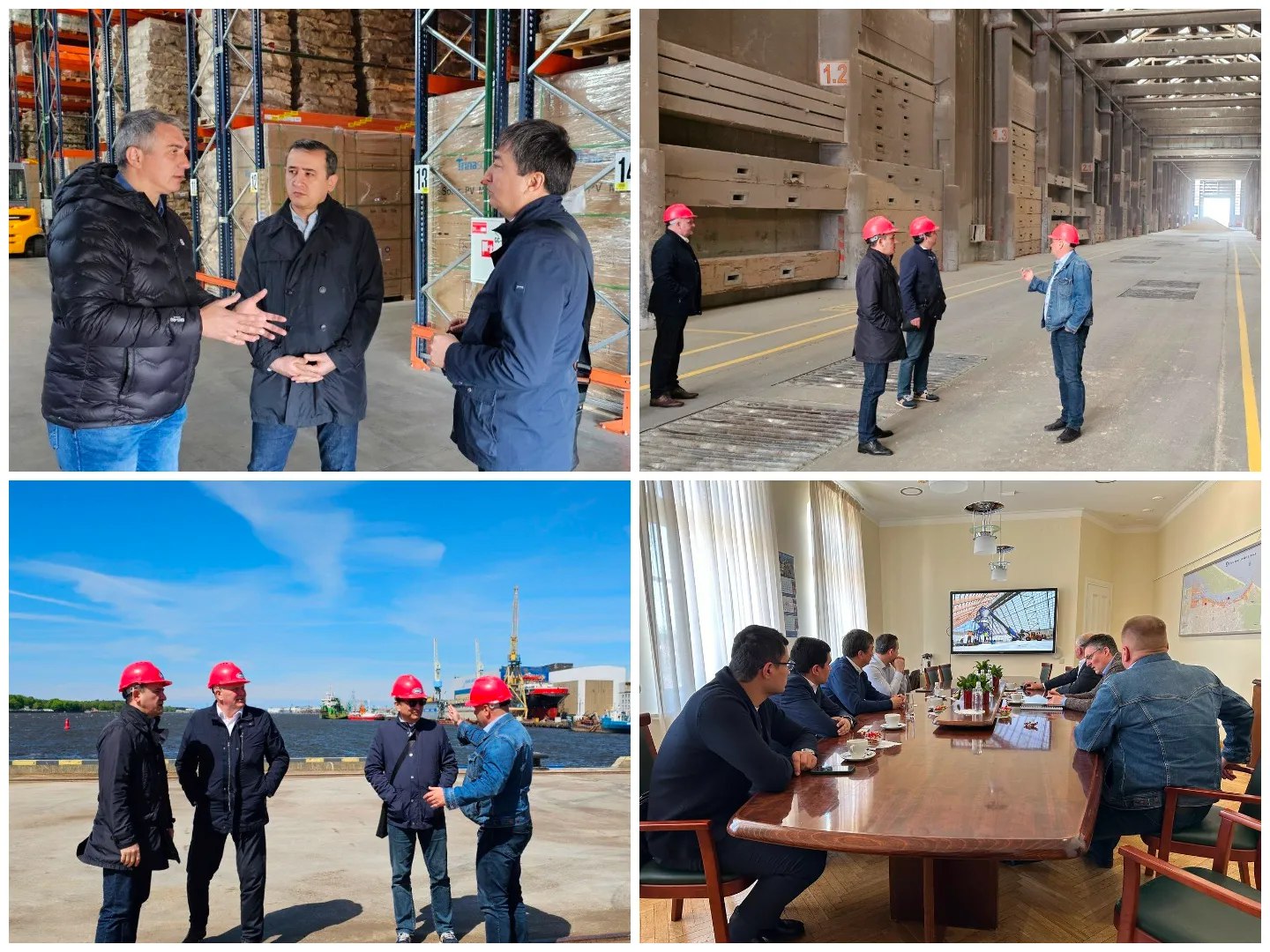
At the end of May, an Uzbek trading house will open in the Lithuanian city of Klaipeda
📅 10.05.2024
KLAIPEDA, May 10. /IA Dunyo/. During a business trip to Lithuania, a delegation of the Chamber of Commerce and Industry of Uzbekistan met with the head of BEGA company Laimonas Rimkus in Klaipeda, Dunyo news agency's correspondent reported.
BEGA, founded in 1992, is one of the largest modern stevedoring companies in the Baltic States, providing services in transportation, loading and unloading of cargoes, as well as temporary storage services.
Laimonas Rimkus expressed an opinion that today Uzbekistan's economy is dynamically developing, producing competitive national products that meet world standards.
- Taking into account the growing volumes of Uzbekistan's exports to European countries, Lithuanian companies show great interest in developing relations with Uzbek businessmen. The volume of export of Uzbek products to the EU countries through Latvia and Lithuania is also increasing," he noted.
It was noted that BEGA has created all necessary port infrastructure, has modern automated technologies for transportation and collection of chemical, food industry, construction materials, agricultural products and other cargoes. In addition, the enterprise is connected to the railroad and has the ability to serve all types of transport coming from Uzbekistan in a short period of time.
The parties discussed mutual procedures and legal aspects of leasing the company's warehouses and a building for the Trade House of Uzbekistan to be established in Lithuania.
The sides reached an agreement on holding the official opening ceremony of Uzbekistan Trade House in Klaipeda on May 24-27.
Latvian company plans to employ Uzbek truck drivers
📅 24.05.2024
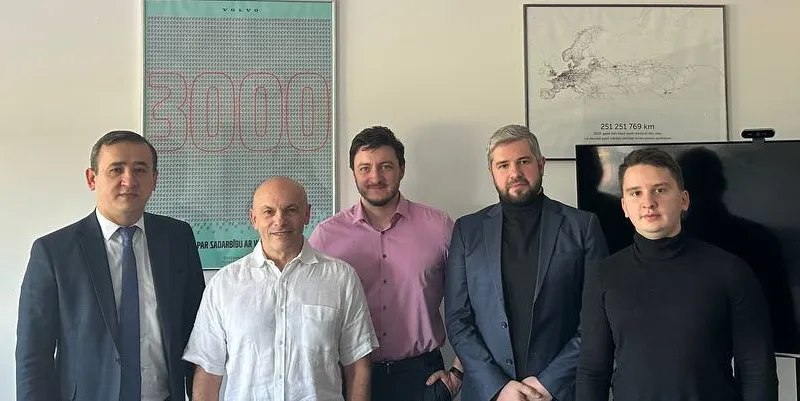
RIGA, May 24. /IA Dunyo/. Uzbekistan's Ambassador Timur Rakhmanov met with the head of Latvia's largest transport and logistics company Kreiss Dmitry Chebaevsky on May 22, Dunyo news agency's correspondent reported.
The parties discussed the issues of intensification of bilateral cooperation in the field of transport and logistics, recruitment of personnel, driver training and creation of specialized training centers in our country.
The Latvian side highly appreciated the reforms carried out in our country to support domestic cargo carriers, privileges and preferences provided by the state for transportation services within the framework of boosting exports of Uzbek products.
Interest in organized attraction of Uzbek truck drivers for employment in "Kreiss" was noted. The Latvian side also informed about plans to implement in Uzbekistan a project of opening a simulation-training and preparatory center for drivers of heavy trucks on the basis of one of the driving schools in Tashkent with the possibility of issuing a European registration certificate of professional suitability.
As a result of negotiations, an agreement was reached to organize a visit of "Kreiss" company delegation to Uzbekistan on June 10-14 with a series of meetings and negotiations in relevant ministries and departments of our country.
Latvia's largest pharmaceutical company plans to manufacture its products in Uzbekistan
📅 12.05.2024
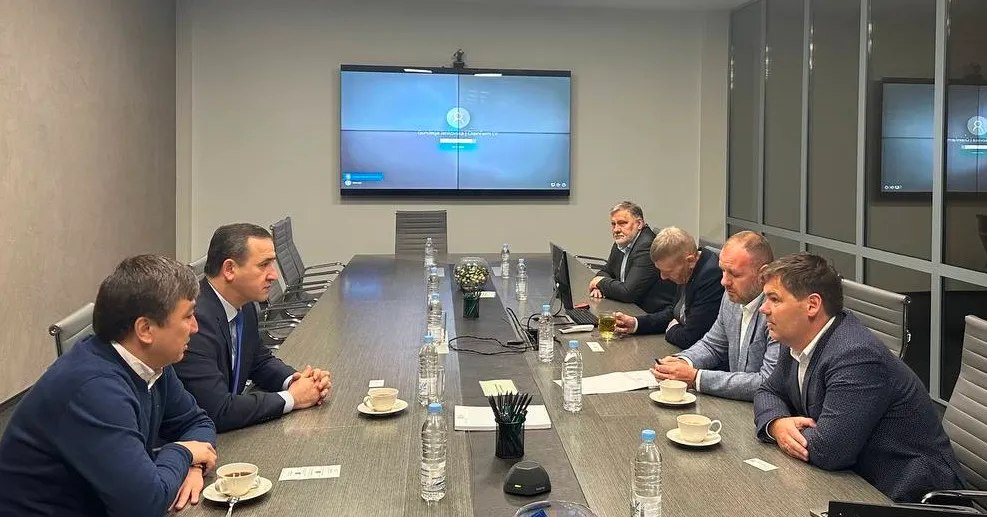
RIGA, May 11. /IA Dunyo/. Ambassador of Uzbekistan Timur Rakhmanov together with Deputy Chairman of the Chamber of Commerce and Industry of Uzbekistan Dilshod Rasulov yesterday met with member of the Board of Directors - head of sales office in Central Asia of the largest Latvian pharmaceutical company "Olainfarm" Alexander Melnis, Dunyo news agency's correspondent reported.
At the meeting, the sides discussed issues of investment and technological cooperation between Uzbekistan and Olainfarm and prospects of establishing joint production cooperation with deepening the level of localization.
Alexander Melnis positively assessed the progressive reforms in the healthcare sector in Uzbekistan under the leadership of President Shavkat Mirziyoyev, which has contributed to the development of cooperation between the companies of the two countries in recent years. It was emphasized that Riga is confidently optimistic about the prospects of expanding Olainfarm's long-term presence in Uzbekistan by increasing investment and technological cooperation.
As Alexander Melnis informed, Olainfarm is working on the realization of an investment project to establish production of a wide range of high-quality ampouled products in Uzbekistan.
Olainfarm was founded in 1972 in the Latvian town of Olaina. It is the largest pharmaceutical company in the Baltic States. The company's turnover exceeds 124 million euros. The product range includes 60 finished dosage forms, 25 active pharmaceutical substances and more than 20 intermediates. The company's products are exported to 60 countries. Since 2011, it has been supplying the World Health Organization (WHO) with anti-tuberculosis drugs.
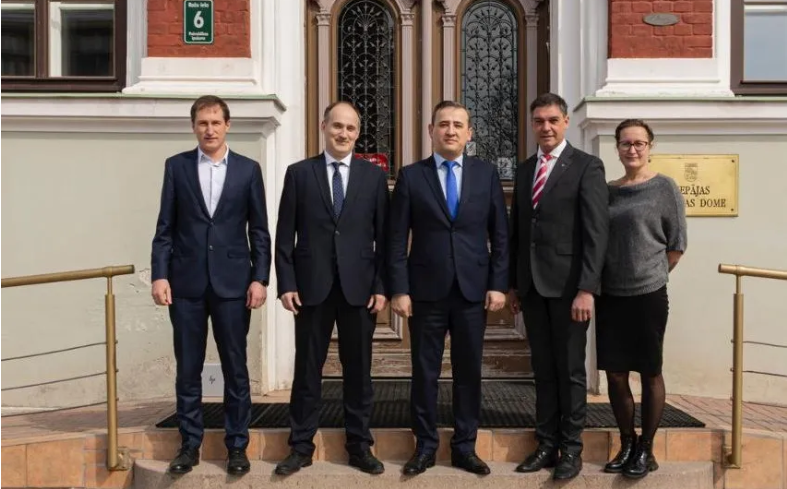
Ambassador of Uzbekistan visits the Latvian city of Liepaja
📅 04.05.2024
RIGA, May 2. /IA Dunyo/. Uzbekistan's Ambassador Timur Rakhmanov visited Liepaja city in order to study the prospects of establishing cooperation with industrialized regions of Latvia, Dunyo news agency's correspondent reported.
The program of his stay in the important industrial and port city included holding talks with the Liepaja administration, visiting the Liepaja Special Economic Zone (LSEZ), organizing a meeting with top managers of iCotton, a company specializing in deep processing of cotton and production of hygiene and cosmetology products, and acquaintance with the port infrastructure of the city.
Mayor Gunnar Ansins praised the reforms carried out in Uzbekistan, the conditions created in our country for foreign investors and the measures taken to support domestic producers.
The sides expressed interest in further boosting interaction in trade-economic, cultural-humanitarian, educational and other spheres.
Readiness to promote cooperation between the entrepreneurs of the two countries, including in the context of specific regions, was noted.
As a result of the visit, the schedule of forthcoming joint events was agreed upon, the organization of a business forum in Liepaja with the participation of representatives of Surkhandarya and Khorezm regions was started.
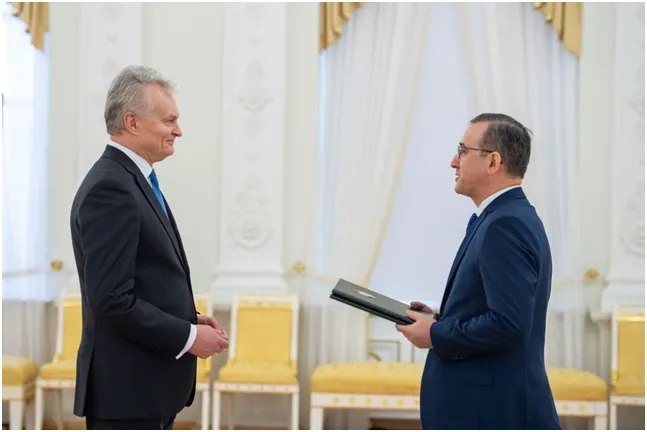
Ambassador of Uzbekistan presented his credentials to the President of Lithuania
📅 24.02.2025The text of the article is in Uzbek!
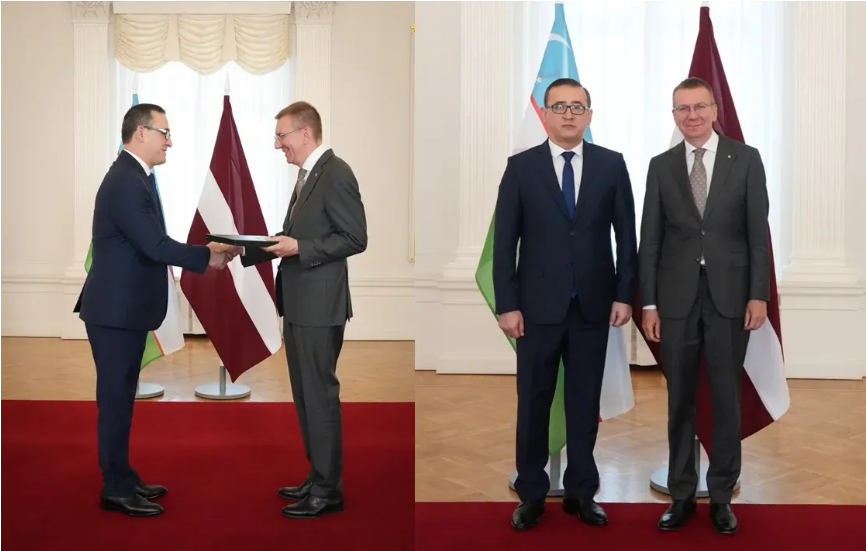
Ambassador of Uzbekistan presents credentials to President of Latvia
📅 18.06.2024
RIGA, June 18. /IA Dunyo/. Uzbekistan's Ambassador to Latvia Timur Rakhmanov yesterday presented his credentials to Latvian President Edgars Rinkevics, Dunyo news agency's correspondent reported.
The current state and prospects of development of cooperation between Uzbekistan and Latvia were discussed during the conversation held within the framework of the ceremony.
The Latvian president praised the state of political dialog and bilateral trade and economic cooperation between Riga and Tashkent. He emphasized that Uzbekistan has become one of Latvia's largest trade and economic partners by the end of 2023.
A high assessment was given to the large-scale reforms carried out in Uzbekistan, noting that their results are welcomed by all EU countries.
Timur Rakhmanov arrived in the Latvian capital on March 13 as Uzbekistan's new ambassador. He replaced Kadambai Sultanov, who served as Uzbekistan's ambassador to Latvia (2019-2024) and at the same time to Lithuania (2021-2024), Finland (2020-2024) and Estonia (2020-2024) with residence in Riga.
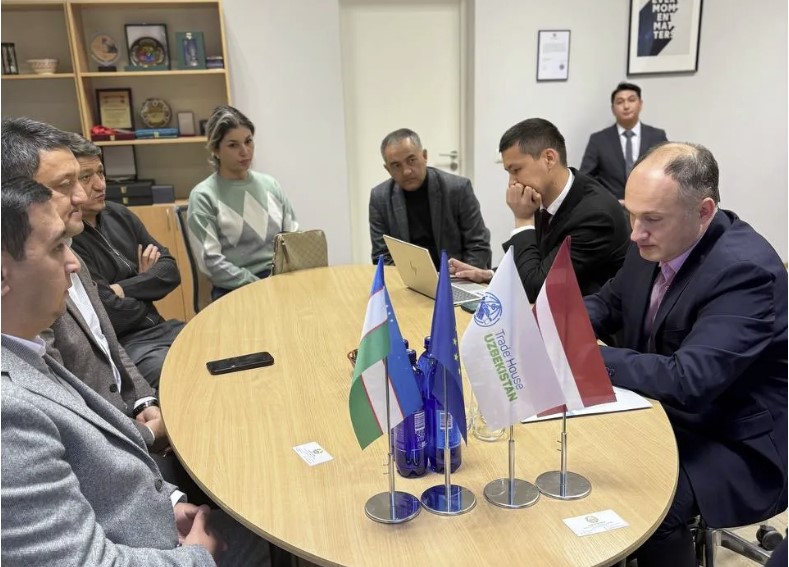
New contracts worth over $4 million signed as part of Uzbek exporters' business mission to Latvia
📅 26.11.2024The text of the article is in Uzbek!
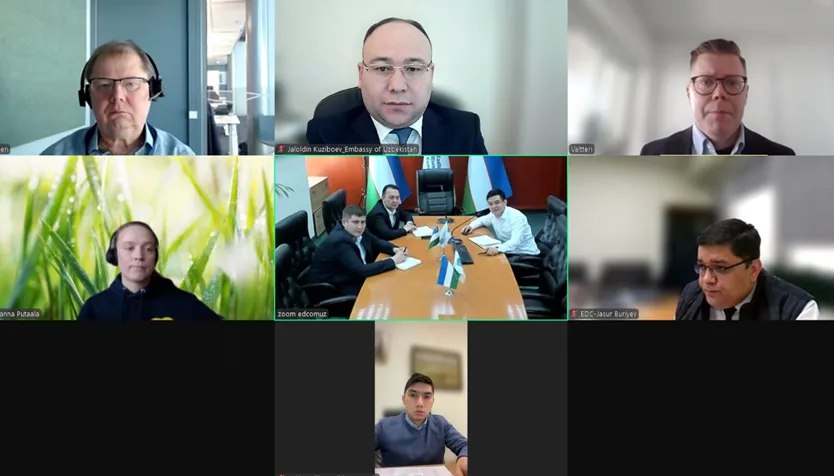
Uzbekistan and Finland discussed prospects for cooperation in the field of entrepreneurship support
📅 28.03.2025
HELSINKI, March 23. /Dunyo News Agency/. With the assistance of the Embassy of Uzbekistan, online negotiations were held between representatives of the Joint Stock Company "Company for the Development of Entrepreneurship" of our country and the Finnish company "Finnvera", the correspondent of the "Dunyo" News Agency reports.
During the meeting, "Finnvera" specialists exchanged views with their Uzbek colleagues on areas of mutual interest. In particular, they studied Finnish experience in matters related to the general aspects of "Finnvera" activities, the development and implementation of financial solutions for enterprises, as well as risk management.
Following the meeting, the parties reached an agreement on the further development of bilateral cooperation, including the organization of separate meetings on issues of mutual interest, the exchange of experience, as well as the visit of "Finnvera" representatives to Uzbekistan.
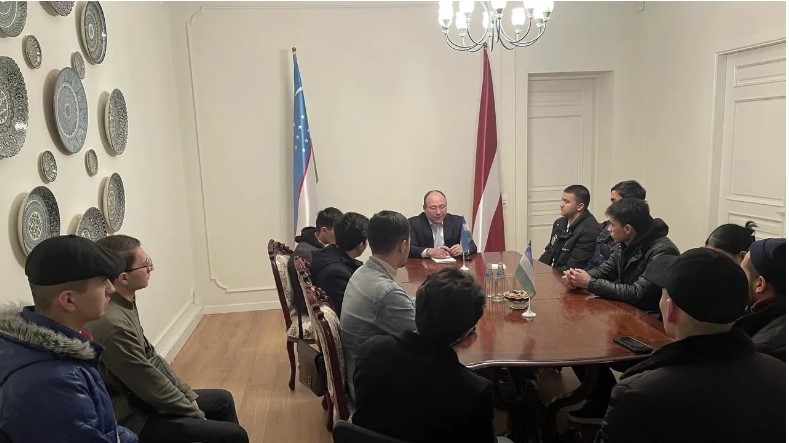
A roundtable discussion on the topic "Mirzo Ulugbek: a great encyclopedist and a famous statesman" was held in Riga
📅 26.11.2024The text of the article is in Uzbek!
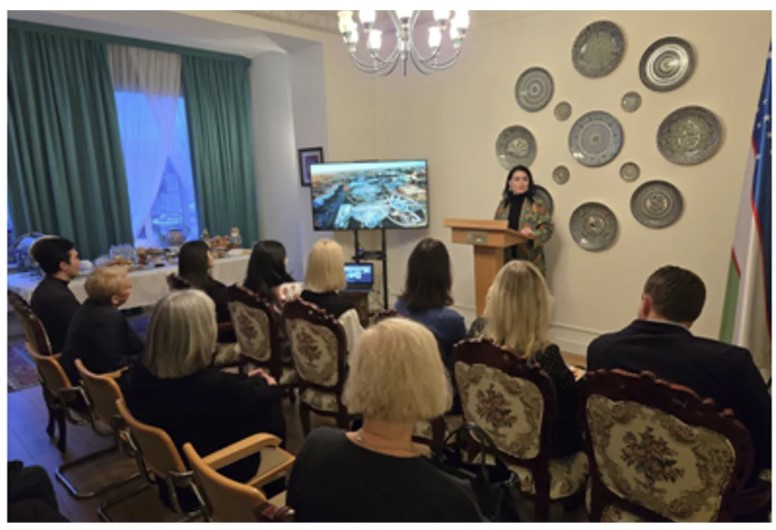
Возможности медицинского туризма в Узбекистане презентованы в Риге
📅 02.12.2024
РИГА, 2 декабря. /ИА “Дунё”/. В Посольстве Узбекистана состоялась презентация туристического потенциала Узбекистана и реформ в сфере туризма в нашей стране, сообщает корреспондент ИА “Дунё”.
В мероприятии приняли участие представители ведущих туристических компаний Латвии «Beltravel», «Māksla ceļot», «Latturt», «Interlux», «VivaDelta», «DigiTours», «Antario» и руководство Латвийского агентства туризма.
Участникам была представлена презентация об истории, природе, архитектурных памятниках, национальных традициях и кухне, а также инвестиционном и экономическом потенциале нашей страны в сфере туризма.
Сотрудники Специализированного научно-практического медицинского центра педиатрии Узбекистан, посетившие Латвию, представили латвийским гостям информацию о направлениях медицинского туризма в нашей стране. В частности, раскрыты возможности туристических кластеров, современных санаториев, созданных в Узбекистане, а также недавно разработанной программы «Медицинский сервис гостеприимства».
Представители латвийских туркомпаний высоко оценили реформы, реализуемые в сфере медицинского туризма, и выразили большую заинтересованность в развитии сотрудничества с узбекскими компаниями на этом направлении.
В частности, глава компании “Beltravel” Инита Свейде заявила, что Узбекистан за короткий период добился высоких показателей в сфере развития туризма, и интерес туристов из стран Балтии к нему растет. Кроме того, медицинский туризм является одним из новых продуктов и рассматривается латвийскими туристическими компаниями как перспективное направление сотрудничества.
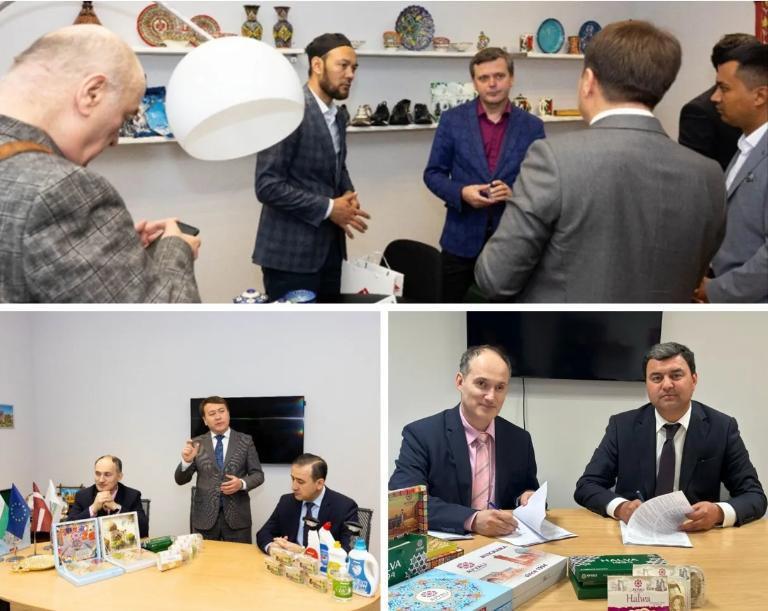
The visit of the Ferghana Oblast delegation to Latvia was fruitful
📅 29.04.2024
RIGA, April 29. /IA "Dunyo"/. A delegation of Uzbekistan headed by Deputy Khokim of Fergana region Nuriddin Mamajanov visited Latvia, Dunyo news agency's correspondent reported. Within the framework of the visit, the sides held talks on further development of trade and economic relations, increasing exports of national products and attracting direct investments in our country's economy.
In particular, during the meeting with Riga Deputy Mayor Linda Ozola the prospects of developing relations in trade-economic, investment, tourism, educational and cultural spheres were discussed, as well as an agreement was reached on participation of Fergana region representatives in cultural events to be held in Riga.
The delegation also held talks with Edgars Suna, Deputy Director of the Freeport of Riga (FPR). During the event, the sides discussed the issue of increasing exports of Uzbek products to Latvia and other EU countries, including active utilization of the port's terminal infrastructure. The issues of purchasing or renting warehouses in the territory of the REP by Uzbek entrepreneurs, granting them privileges and preferences were discussed. In turn, Edgars Suna said that the port management is ready to help in this matter. An agreement was reached to sign a memorandum on mutual cooperation between the parties in a short period of time.
Within the framework of the delegation's stay at the Uzbek Trade House in Riga, a B2B meeting between businessmen of the two countries was held. At this event, information about investment and export potential of Uzbekistan, including Fergana region, was presented. As a result of meetings and negotiations, agreements were reached on supplying agricultural products, household chemicals, confectionery and textile products to the Latvian market, and export contracts worth 25 million US dollars were signed.
At the same time, the opening ceremony of the exhibition hall of Fergana region in the Uzbek Trade House was held within the framework of the event.
Members of the delegation also held a meeting in Latvian company "KGS Group" and discussed the establishment of agro-logistic complex in Fergana region. The Latvian side expressed interest in the implementation of this project and readiness to invest 10 million dollars in it.
Translated with DeepL.com (free version)

-
 Ministry of Foreign Affairs of the Republic of Uzbekistan
 -
 Diplomatic Service of the Ministry of Foreign Affairs
 -
 State Committee for Tourism Development
 -
Ministry of Investments and Foreign Trade of the Republic of Uzbekistan
-
 invest.gov.uz
 -
-

-

-

-

-

-


of Uzbekistan in the Republic
of Latvia
When using the information, a link to www.uzembassy.lv
must be provided.
All rights reserved
Address
Address: Riga c., LV-1010. 11-11 Elizabetes Str., Latvia
Phone: 37167322424
Fax: 37167322306
Email: embassy@uzbekistan.lv
Useful links
HomeIssuance of biometric passport for departure abroad
Certificate to return to Uzbekistan
Withdrawal of citizenship
Loss of citizenship